How the Slow Fashion Movement is Impacting E-commerce in 2026?
More shoppers now value quality over quantity. This guide covers the slow fashion movement, key brands, and its impact on e-commerce.

If you're wondering where the slow fashion movement is headed in 2026, you've come to the right place. I've spent the last few weeks digging through market reports, talking to brand founders, and tracking how consumer behavior is shifting beneath our feet. The truth is, we're watching something significant happen. The way people buy clothes is changing, and it's changing fast.
In this blog, we'll walk through what slow fashion actually means in 2026, not the recycled definitions you see everywhere. We'll look at the numbers driving this shift, the brands doing it right, and most importantly, how e-commerce is adapting. If you're running an online store or thinking about starting one, you'll want to stick around for the supplier section. Let's get into it.
What is Slow Fashion?
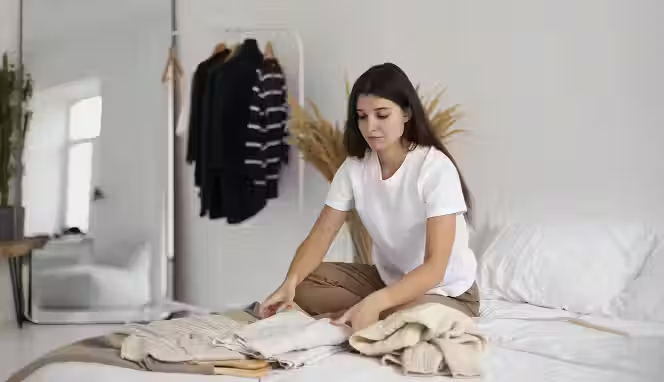
The phrase gets thrown around a lot, but let's pin it down. Slow fashion is the direct opposite of fast fashion. It is an ethical and sustainable approach to making clothes that rejects the rapid, low-cost production of trendy, disposable garments . The movement wants to decelerate the whole industry and promote mindful consumption. It urges people to buy fewer things, choose eco-friendly materials, and prioritize secondhand clothing or upcycling.
Here's what slow fashion looks like in practice:
- Garments designed to last for years, not weeks
- Production in small batches to avoid waste
- Full transparency about where and how clothes are made
- Use of natural, recycled, or certified materials
- Fair wages and safe conditions for workers
This isn't about sacrificing style. It's about treating clothing as an investment rather than a throwaway commodity. When you buy into slow fashion, you're saying no to the 92 million tons of textile waste the industry generates annually .
Slow Fashion Movement: Types and Consumer Perceptions
Not everyone arrives at slow fashion through the same door. People engage with it differently, and their reasons vary. Research shows that consumer behavior is influenced by a mix of ethical concerns, economic realities, and personal taste .
The Mindful Minimalist
This group has fully embraced owning less. They practice mindful consumption by building capsule wardrobes filled with versatile, high-quality staples. Their view is that owning fewer, better things leads to a more simple life. They see clothing as an investment and are less influenced by marketing hype. They are the ones planning purchases and asking "will I still love this in five years?" before buying .
For the mindful minimalist, a slow fashion store isn't just a place to shop. It's a resource for pieces that will form the backbone of their wardrobe season after season.
The Eco-Conscious Shopper
For these consumers, the planet is the priority. They actively look for brands with transparent supply chains, GOTS-certified fabrics, and circular economy models. They are the most likely to support take-back programs and upcycling initiatives. According to recent data, 68% of consumers now consider sustainability essential in purchasing decisions, and 73% of Gen Z fashion shoppers say they'll pay more for authentic sustainable products.
This group reads labels. They know the difference between organic cotton and conventional. They're the reason brands can't get away with vague greenwashing anymore.
The Artisan and Heritage Supporter
This segment is drawn to the cultural side of slow fashion. They value traditional craftsmanship, handmade details, and keeping artisan techniques alive. They will pay more for products that support local communities and fair labor, such as pieces handwoven in India or naturally dyed in small batches . For them, a garment carries a story, a connection to the person who made it.
In India, this is particularly powerful. The country's handicrafts market is forecasted to hit USD 8,198.5 million by 2033, advancing at a compound annual growth rate of 6.39% . That growth is driven by urban consumers who want their purchases to mean something.
Slow Fashion vs Fast Fashion Statistics in 2026
The numbers tell a clear story. While fast fashion still holds a massive share, the momentum is shifting. Here is how the slow fashion vs fast fashion landscape looks in 2026.
The Circular Economy Hits Mainstream
Circular business models have moved from niche to profitable. The circular apparel economy is projected to hit $77 billion in 2026, while the U.S. secondhand market alone surpasses $80 billion. This isn't just about thrift stores anymore. Major brands are building resale platforms, rental services, and repair programs directly into their business models.
What's driving this? According to industry data, 78% of people report often or always repeating the same outfits or silhouettes, and 52% find it freeing. The pressure to constantly wear something new is fading.
The True Cost of Fast Fashion
The environmental impact remains severe. Fast fashion accounts for about 10% of global carbon emissions and creates 85% of all textile waste . The industry is one of the most resource-intensive on the planet.
In contrast, the slow fashion model inherently reduces this damage. When you extend the life of a garment by just nine months, you reduce its carbon, water, and waste footprints by 20-30%. That's the kind of math that matters.
Shifting Consumer Priorities
In 2026, fashion relevance is no longer dictated by seasonal "must-haves." Instead, value-driven cycles longevity, meaning, and impact guide purchasing decisions. Shoppers are more informed than ever. They research brands, question supply chains, and expect accountability.
A significant majority of fashion executives (46%) anticipate market conditions will deteriorate in 2026, yet 25% see opportunity for growth. The winners will be those who align with the slow fashion ethos.
Best Sustainability Practices in the Slow Fashion Movement
For a brand to be part of the movement, it must adopt real sustainability practices. These go beyond marketing and get to the heart of how clothes are made.
Radical Transparency
Consumers now demand evidence of ethical production. They want to know who made their clothes and under what conditions. In 2026, surface-level sustainability claims are no longer enough. Consumers can spot greenwashing instantly, and trust is hard to rebuild once broken.
What matters is measurable impact: verified materials, transparent sourcing, and honest communication. Some brands now combine AI and blockchain to trace each garment from fiber to finished product, creating end-to-end transparency.
Material Innovation and Low-Impact Production
The materials themselves have evolved. Beyond organic cotton, we're seeing bio-fabricated leathers from mycelium roots, cellulosic fibers such as Tencel Lyocell, and textiles made from agricultural by-products. The mycelium leather market is projected to soar from $12 million in 2024 to $336 million by 2033.
Sustainable practices for slow and fast fashion stores differ greatly. True slow fashion brands:
- Use natural or recycled dyes
- Minimize water usage
- Produce in small batches to avoid overproduction
- Design for circularity with repair programs and take-back schemes
Ethical Production as Standard
Knowing the hands behind the garment matters. Ethical labor practices, fair wages, and safe working conditions are non-negotiable for conscious consumers. Independent fashion brands lead this shift by producing in small, traceable batches, working directly with artisans, and sharing behind-the-scenes production stories.
How is the Slow Fashion Industry Changing Worldwide?
The movement isn't confined to one region. It's a global shift with local flavors. From artisans in India to tech-driven startups in the US, the principles of slow fashion are being applied to different cultural and economic contexts.
The Indian Artisan Renaissance
In countries with deep textile histories, the slow fashion india scene is thriving. Brands are moving away from mass production to partner directly with rural artisan groups. This preserves traditional crafts like hand weaving and block printing while providing sustainable livelihoods.
Anita Dongre's Rewild 2026 collection exemplifies this approach. Staged at the historic Lukshmi Vilas Palace in Vadodara, the collection featured forest-inspired embroidery, cutwork that was structural rather than ornamental, and a commitment to circular design. As Dongre puts it, "Luxury, for me, is longevity. It's thoughtful, responsible, and emotionally meaningful".
The Rise of Elevated Uniforms in Western Markets
In Western markets, the movement is shaped by economic uncertainty. The shift toward utilitarian style reflects consumers reclaiming control in a noisy world. Rather than chasing aspirational minimalism, people are gravitating toward functional, expressive pieces that help them move through daily life .
Workwear jackets, peacoats, quarter zips, and office shirts are gaining traction as part of the "modern uniform" trend. A uniform operates as a system: dependable, repeatable, and edited. It's about the shift from "What's next?" to "What's me?".
Best Slow Fashion Brands and Stores Right Now
If you want to build a more conscious wardrobe or stock an online store, knowing the key players is essential. These brands exemplify the movement through their design, ethics, and supply chains.
Artisanal and Handcrafted Leaders

Anita Dongre continues to set the standard for sustainable luxury in India. Her Rewild collection works closely with handloom clusters across the country, ensuring fabrics are ethically made and support local artisans. Natural fibers remain central to her collections because they last longer, wear better, and age honestly.
11.11 and Jiwya are also worth watching. These brands use indigenous cotton, hand-spun fabrics, and natural dyes, all crafted in small batches with rural artisan communities.
Minimalist and Eco-Conscious Staples

For those who prefer a minimalist aesthetic, there are many slow fashion brands in USA that focus on clean lines and ethical production. Co, the Los Angeles-based label, embodies this approach. Their Fall 2026 "Golden State" collection features organic cotton, recycled cashmere, and RWS certified wool. The emphasis is on natural fibers and innovative, eco-friendly materials that prioritize both luxurious feel and minimal environmental impact.
Pact (organic basics) offers everyday essentials made from fair-trade organic cotton. Outerknown sustainable apparel, co-founded by pro-surfer Kelly Slater, prioritizes low-impact materials and transparent supply chains. For denim lovers, Dear John Denim offers a sustainable alternative with a focus on quality and timeless style.
For those with an edge, NOCTEX clothing serves the ethical goth community with dark, sustainable pieces that don't compromise on style. The brand proves that slow fashion can serve any aesthetic.
LA-Based Slow Fashion Stores
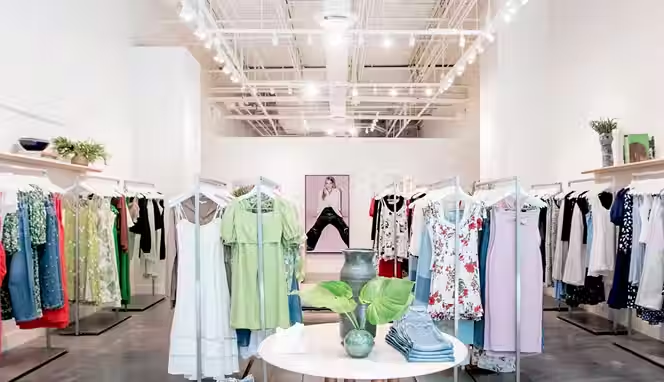
Los Angeles has become a hub for eco-conscious apparel stores. Reformation remains a go-to for feminine, sustainable pieces. MATE the Label focuses on non-toxic fabrics and transparent manufacturing. Harvest & Mill grows and dyes its own organic cotton in the US. If you're looking for high-quality minimalist clothing, these LA-based slow fashion stores deliver.
How is Slow Fashion Impacting E-commerce?
The rise of slow fashion ecommerce is changing how online stores operate. It's no longer just about selling products. It's about telling stories and building communities.
The Shift from Trend Cycles to Value Cycles
Trend cycles have accelerated to an unsustainable pace. Social media and fast fashion algorithms have reduced styles to disposable moments. Consumers are disengaging from this system, overwhelmed by constant novelty and dissatisfied with low-quality garments that don't last .
In response, e-commerce sites are pivoting. Instead of pushing weekly drops, they're curating collections that last. They're investing in content that explains why a garment costs what it does and where it comes from. This narrative-driven approach builds trust and justifies higher price points.
Technology Serving Ethics
AI and digital tools are being repurposed to support sustainability, not just sales. AI-driven demand forecasting allows brands to manufacture exactly what will sell, eliminating the overproduction that has historically created up to 40% of unsold stock .
Digital 3D prototyping reduces sample waste by more than 60%. Smart inventory systems ensure that nothing sits in a warehouse for months before being marked down. These technologies democratize sustainability. What once required a corporate data-science team is now embedded in accessible SaaS platforms.
Benefits of Slow Fashion for Consumers and Dropshippers
The shift toward ethical production offers real advantages for both the buyer and the online seller.
For consumers, the benefits are clear:
- Long-term value: The cost-per-wear of a durable, high-quality garment is much lower than that of a fast fashion item that falls apart after a few washes. You buy once and wear for years.
- Personal well-being: Owning a curated wardrobe of pieces you love reduces decision fatigue and the stress of chasing trends. There's freedom in knowing you're already dressed well.
- Ethical satisfaction: Wearing clothes that align with your values, knowing they were made without harming people or the planet, provides a sense of purpose that cheap fashion can't match.
For dropshippers, the advantages are equally strong:
- Niche authority: By curating a selection of slow fashion brands, a store can position itself as an authority in the sustainability space, attracting a dedicated customer base that keeps coming back.
- Reduced return rates: Customers who buy with intention are more likely to be satisfied. When someone has researched a brand and chosen it deliberately, they're less likely to return the item on a whim.
- Higher perceived value: Ethical products command higher price points and foster stronger brand loyalty. Customers who believe in your mission will stick with you through multiple purchases.
- Low startup costs: Slow fashion dropshipping platforms make it possible to start selling ethical fashion without a huge upfront investment. You can browse their catalog of suppliers, many of whom are based in the US and Europe, and start listing products immediately.
If you're ready to start, you can explore women's clothing, slow fashion footwear, or unique statement jewelry from vetted suppliers. Spocket has no MOQs, so you can test products without committing to bulk orders. For ideas on what to sell, check out trending dropshipping products to see what's gaining traction.
Slow Fashion Social Impact and Economic Benefits
The movement is more than an environmental win. It has deep social and economic effects that ripple through communities worldwide.
- Fair labor and safe conditions: By prioritizing ethical manufacturing, the slow fashion movement directly challenges the sweatshop labor tied to fast fashion. It supports factories that pay living wages and provide safe working conditions, addressing the fast fashion social impact head-on.
- Preservation of cultural heritage: In many parts of the world, traditional textile arts were dying out because they couldn't compete with machine-made prices. Slow fashion provides a market for these skills, ensuring techniques like hand-weaving and natural dyeing are passed down. This isn't charity. It's economics. The India handicrafts market is projected to reach USD 8,198.5 million by 2033 precisely because consumers value that heritage .
- Local economic stimulation: When consumers buy from independent, local, or artisanal brands, more money stays within the local economy. This supports small businesses and creates jobs, contributing to a more resilient economic structure than the centralized, globalized model of fast fashion.
- Reduced environmental cleanup costs: The fast fashion environmental impact includes massive cleanup costs for polluted waterways and overflowing landfills. By reducing waste at the source, slow fashion saves communities money they would otherwise spend on environmental remediation.
How to Break Into the Slow Fashion Market and Get Started
For entrepreneurs looking to start a slow fashion startup, the market is ripe with opportunity. But it requires a different approach than a traditional fashion business. Success comes from authenticity, education, and a commitment to your values.
Curating the Right Product Mix
You don't have to start by designing your own line. Many successful online stores begin by curating products from established suppliers. When looking for stock, focus on items with clear ethical credentials. Look for certifications like GOTS-certified organic cotton, or partner with brands that are transparent about their supply chain.
If you're sourcing from India, look for brands that partner directly with artisan clusters. If you're sourcing from the US, look for LA-based slow fashion stores that prioritize local production.
Building a Brand That Stands for Something
In 2026, fashion isn't losing relevance. It's gaining depth. What will matter more than trends is purpose . Consumers will ask: Was this made responsibly? Does this reflect my values? Will I still love this in five years?
Your brand needs to answer these questions honestly. That means:
- Sharing your supply chain, even when it's not perfect
- Being transparent about pricing and why things cost what they do
- Building a community around shared values, not just transactions
- Investing in content that educates as much as it sells
Use the Right Platforms
To build your store efficiently, you need a platform that connects you directly with reliable suppliers who share the slow fashion ethos. This is where apps like Spocket become invaluable.
Spocket connects retailers with high-quality suppliers, many of whom are based in the US and Europe. This significantly reduces shipping times and carbon footprints. The platform features products from brands that often align with ethical production standards. If you're testing the market, Spocket has no MOQs, making it perfect for a startup.
You can filter for specific niches, whether you're looking for premium basics or unique artisan pieces. You can also explore print-on-demand for custom, made-to-order items that eliminate inventory waste entirely. For more inspiration, browse business ideas in fashion industry to see what's working for others.
Mistakes Slow Fashion Stores Should Avoid
Entering this space with good intentions is a great start, but execution matters. Here are common pitfalls that new slow fashion store owners face.
- Greenwashing: This is the fastest way to lose customer trust. Do not make vague claims about sustainability. If you say a product is eco-friendly, back it up with data, certifications, and transparent supply chain information. Consumers are educated and can spot inauthenticity from a mile away .
- Ignoring the "Slow" Part of Fashion: Do not try to replicate the fast fashion drop model. Releasing 20 new styles every week goes against the very philosophy you are selling. Instead, focus on a few well-made, versatile pieces. Let your customers know that good things take time.
- Poor Quality Control: In slow fashion vs fast fashion, quality is your main selling point. If your products arrive with loose threads or shrink after one wash, you have lost all credibility. Vet your suppliers rigorously. Order samples for yourself, wear them, wash them, and make sure they live up to the promise of longevity.
- Ignoring the Artisan Story: If you're selling handcrafted goods, you need to tell the artisan's story. Customers want to know who made their clothes. They want to see the hands behind the garment. If you hide that information, you're missing the point.
- Failing to Educate Customers: Your customers may be new to slow fashion. They may not understand why your t-shirt costs $80 when fast fashion sells them for $10. You need to educate them about materials, labor, and longevity. Your website should be a resource, not just a catalog.
How to Find the Best Slow Fashion Suppliers Worldwide?
Building a reliable supply chain is the backbone of any successful slow fashion business. It requires diligence, research, and a commitment to building relationships.
Use Slow Fashion Dropshipping Platforms and Directories
One of the most efficient ways to find vetted suppliers is through dedicated e-commerce platforms. Spocket is a powerful tool for this and you can get started with their 7-day free trial. It connects retailers with high-quality suppliers, many of whom are based in the US and Europe. The platform is particularly useful because it features products from brands that align with ethical production standards, plus it offers branded invoicing, 24/7 VIP customer support, and fast shipping.
If you're interested in sustainable fashion dropshipping, Spocket is worth exploring. You can filter by location, product category, and supplier rating. You'll find suppliers offering everything from organic cotton basics to handcrafted accessories.
Conduct Direct Outreach and Audits
Beyond platforms, you can find incredible suppliers through trade shows and artisan directories. This is especially true if you are sourcing specific goods like slow fashion India textiles. Once you identify a potential partner, go beyond email. Conduct video calls, ask for proof of certifications, and if possible, visit their facilities.
Ask them:
- How do you ensure fair wages?
- What are your working conditions?
- Where do you source your materials?
- Can you provide third-party certifications?
- What is your return policy for defective goods?
A good supplier will be transparent about their practices. Their willingness to share information is a key indicator of their authenticity. Building this direct relationship not only secures your supply chain but also gives you rich stories to share with your customers.
Study Market Dynamics
Be aware of the broader market. The fashion sector faces significant challenges in 2026, with 46% of industry leaders anticipating deteriorating market conditions. Tariff turbulence and supply chain reorganization are impacting everyone, with 76% of executives citing tariffs as a key concern.
This means you need to diversify your sourcing. Vietnam and Bangladesh are emerging as strategic alternatives to China . But if you're committed to slow fashion USA, look for domestic suppliers who can offer transparency and shorter shipping distances.
Conclusion
The slow fashion movement is more than a passing trend. It's evidence of a wider cultural shift toward value-led consumerism. Shoppers have become more mindful than ever, looking beyond just price tags and demanding genuine ethical practices from brands. In stark contrast to deceptive greenwashing tactics, they want honesty.
For retailers, this is both a challenge and an opportunity. Those who are flexible and lead with integrity will not only earn trust but will also form long-term bonds with discerning consumers. The brands that thrive in 2026 will be those that answer the hard questions honestly: Was this made responsibly? Does this reflect my values? Will I still love this in five years?
If your brand is ready to embrace this shift, the time to act is now. Audit your supply chain, opt for quality over quantity, and share your story openly. The infrastructure exists to make it happen. Spocket has removed the barriers to entry into slow fashion clothes dropshipping. The only question left is whether you're ready to build something that lasts.
Start your dropshipping business today
Slow Fashion Movement E-commerce Impact FAQs
What defines a slow fashion brand in 2026?
A genuine slow fashion brand prioritizes longevity, ethical production, and transparency. They use certified sustainable materials like GOTS-certified organic cotton, produce in small batches to avoid waste, and share detailed information about their supply chain. They reject the fast fashion model of constant newness in favor of timeless design.
Is slow fashion more expensive than fast fashion?
The upfront cost is often higher, but the cost-per-wear is significantly lower. A well-made garment that lasts for years and can be repaired is a better investment than ten cheap items that fall apart after a few washes. Consumers are increasingly willing to pay more for products that align with their values and deliver lasting quality.
How can I start a slow fashion e-commerce business?
Start by identifying your niche and finding reliable suppliers. Platforms like Spocket connect retailers with vetted suppliers who offer ethical products with no minimum order quantities. Focus on building a brand story that communicates your values, and invest in content that educates customers about why slow fashion matters.
What is the difference between sustainable fashion and slow fashion?
Sustainable fashion focuses on the environmental impact of materials and production. Slow fashion encompasses that but adds the dimensions of ethical labor, preservation of craftsmanship, and a deliberate slowdown of consumption cycles. It's a holistic philosophy that values quality, transparency, and longevity over speed and volume.
Where can I find handloom or artisan-made slow fashion products?
India remains a key source for handloom and artisan-made products. Brands like okhai.org, OZiS, and Nilam India work directly with artisan communities to preserve traditional crafts while creating contemporary designs. For international sourcing, platforms like Spocket can connect you with suppliers who specialize in ethical, handcrafted goods.
How do I verify a brand's sustainability claims?
Look for third-party certifications such as GOTS-certified for organic textiles, Fair Trade for labor practices, and B Corp for overall social and environmental performance. Transparency is key. Legitimate brands will share detailed information about their supply chain and welcome questions. Be wary of vague claims without supporting evidence.


Launch your dropshipping business now!
Start free trial.avif)


Related blogs

Trendsi vs Shein: Full Review (2026)
Trendsi vs Shein breakdown on costs, quality, and fulfillment. Decide if Trendsi wholesale or Shein shopping suits your goals.


Spring Fashion Trends 2026 The Wearable Trend Report
Discover the top spring fashion trends for 2026—from colors and silhouettes to key wardrobe pieces that will define the new season’s style.


Winter 2026 Fashion Trends: What to Wear, Buy, and Style This Season
Discover the biggest winter 2026 fashion trends, outfit ideas, colors, fabrics, and styles shaping women’s and men’s winter wardrobes.