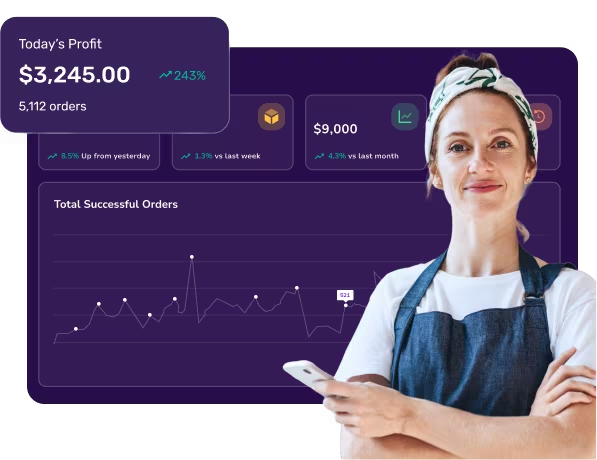
How to Sell Your Dropshipping Business
Learn how to prepare and sell your dropshipping business. This guide covers increasing value, finding buyers, and transferring assets to sell your ecommerce business.


You built a dropshipping store from the ground up. It generates consistent sales and steady profit. Now, you’re thinking about your next move. Selling your dropshipping business can fund new projects, provide a lump sum, or let you exit a demanding venture. The process to sell your ecommerce business involves clear steps.
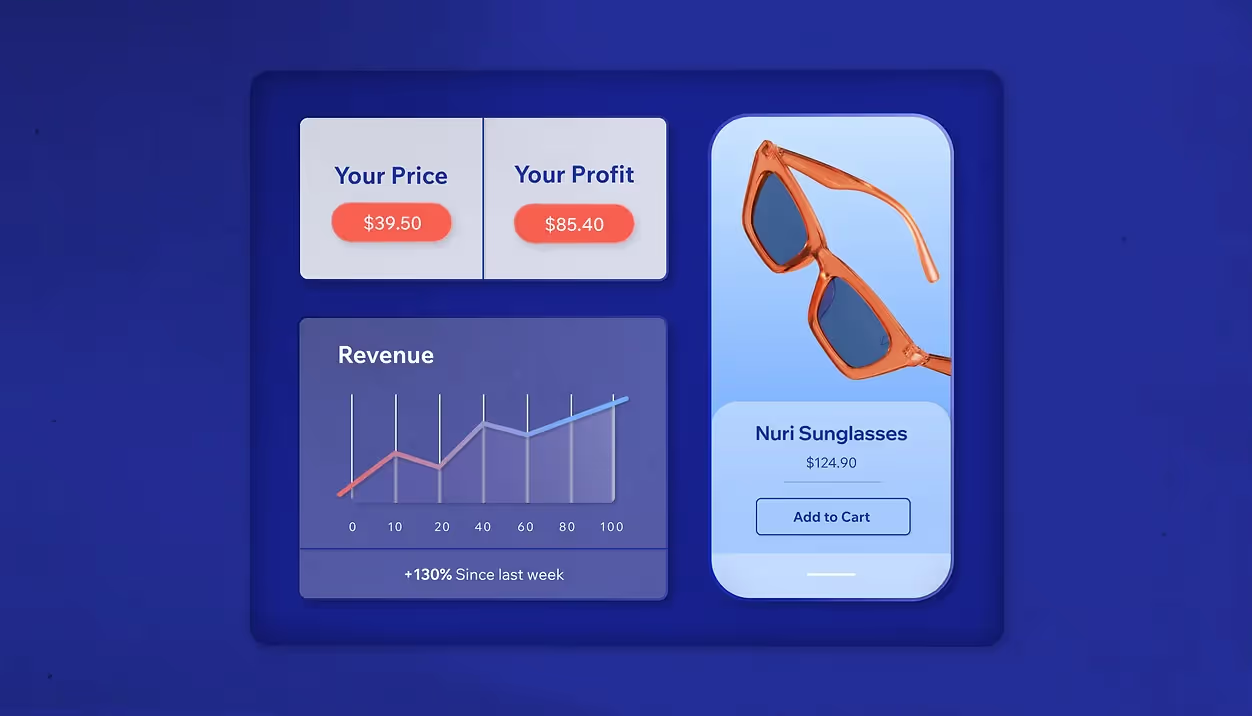
You need to prepare your store, know its true value, find the right buyer, and handle the transfer. This guide shows you how to sell your dropshipping business correctly.
Why Consider Selling Your Dropshipping Store?
Many owners choose to sell their ecommerce business for clear reasons. You might want capital for a different idea or feel ready to move on from daily operations. Some sellers see market saturation and decide to exit at a peak. Others get offers they can’t refuse. Selling frees up your time and converts your asset into cash. It can be a smart financial decision. Before you list your store, know your 'why'. This focus guides your entire strategy to sell your dropshipping business.
How to Get Your Business Ready to Sell
Buyers look for stable, easy-to-run stores. You must tidy your operations well before listing. Here is everything you need to start doing:
Organize Your Financial Records
Clean records prove your business is trustworthy. Gather at least two years of data:
- Profit and Loss statements.
- Tax returns.
- Bank statements that match your reported income.
- Clear records of all business expenses.
Simplify and Document Operations
Make your store look like a turnkey operation.
- Write standard operating procedures (SOPs) for tasks like customer service, order processing, and supplier contact.
- Organize login details for all platforms (email, hosting, social media, supplier accounts).
- List all your apps and tools with their costs and purposes.
Boost Key Metrics
Improve areas that buyers care about most.
- Increase Profit Margin: Negotiate better rates with suppliers or adjust product pricing.
- Diversify Traffic: Relying on one source (like paid ads) is risky. Work on building organic search or social media traffic.
- Secure Supplier Relationships: Ensure your main suppliers are reliable and willing to work with a new owner. Using a vetted platform like Spocket can help, as they offer verified US and EU suppliers, branded invoicing, and 24/7 support, which adds trust for a buyer.
How Much is Your Dropshipping Business Worth?
Valuation is not just guesswork. Most online stores sell for a multiple of their net profit. You need to calculate your Seller’s Discretionary Earnings (SDE).
Calculate Your SDE
SDE is the total profit the business generates for an owner. The formula is: Net Profit + Owner’s Salary + Non-Essential Expenses = SDE Non-essential expenses are costs a new owner could cut (like your personal car payment through the business). An accurate SDE shows the real earning power.
Apply a Multiple
The market applies a multiple to your SDE. For dropshipping, this is often between 20x and 40x the monthly SDE. A business with a $5,000 monthly SDE might sell for $100,000 to $200,000 (20-40x). Factors affecting the multiple:
- Growth Trend: Rising profits get a higher multiple.
- Customer Diversification: Repeat customers are valuable.
- Operational Dependency: If the business needs your unique skills, the multiple drops.
- Asset Strength: This includes a strong brand name and email list.
Where to Sell Your Dropshipping Business
Specialized marketplaces connect sellers with serious buyers. These are the best places to sell your ecommerce business.
Online Business Brokerages
These platforms handle listing, vetting buyers, and often escrow.
- Empire Flippers: A top marketplace with a rigorous vetting process. Good for stores making $1,000+ monthly profit.
- FE International: A brokerage service that often handles higher-value deals.
- Quiet Light Brokerage: Offers advisory services and listing for established businesses.
Niche Ecommerce Marketplaces
Some sites focus only on digital and online assets.
- Flippa: A large platform for everything from domain names to established stores. Be prepared to vet buyers carefully.
- Investors Club: A community and marketplace for buying and selling online businesses.
Direct Outreach and Networking
You can find a buyer yourself.
- Use LinkedIn to connect with entrepreneurs or investors.
- Mention your intent in relevant industry forums or communities.
- Tell your network you plan to sell your ecommerce business.
The Selling Process: From Listing to Transfer
Selling follows a standard sequence. Knowing it reduces stress.
- Prepare Your Listing: Create a sales memorandum. This document includes financials, operations, growth plans, and reasons for selling. Be transparent.
- List on a Platform: Choose your marketplace, submit your details, and set an asking price.
- Vet Buyer Inquiries: Not all inquiries are equal. Ask buyers for proof of funds. A serious buyer will sign a Non-Disclosure Agreement (NDA) quickly.
- Negotiate the Offer: You may get the asking price or a counter-offer. Negotiate terms like the payment structure.
- Due Diligence: The buyer will examine every part of your business. Have all your documents ready.
- Asset Transfer & Payment: Use an escrow service. The buyer sends money to escrow. You then transfer store assets (domain, social accounts, supplier contacts). Once confirmed, escrow releases funds to you.
- Transition Support: Most deals include a 1-4 week support period where you help the new owner learn the systems.
Common Mistakes to Avoid When Selling
Avoid these errors to ensure a smooth sale.
- Hiding Problems: Be upfront about challenges. Due diligence will expose them, killing trust and the deal.
- Poor Financial Records: Sloppy books lower your valuation and scare buyers.
- Neglecting the Business During Sale: Keep marketing and customer service strong. A drop in performance can cause the buyer to back out.
- Choosing the Wrong Buyer: A buyer without experience may fail, leading to requests for refunds or complaints.
- No Legal Framework: Always use a sales agreement and escrow. Do not rely on verbal promises.
How to Increase Value Before You Sell
Take steps to make your business more attractive. Start 6-12 months before listing.
- Build Recurring Revenue: Add subscription boxes or memberships.
- Develop a Brand, Not Just a Store: Create a recognizable name with a loyal audience.
- Automate Everything: Show that the business runs with minimal daily work.
- Secure Long-Term Supplier Agreements: Demonstrate stable product access and cost.
- Grow Your Email List: A large, engaged subscriber list is a key asset.
Conclusion
Selling your dropshipping business is a major project. It needs preparation, honest valuation, and patience. By organizing your records, pricing fairly, and using the right platforms, you can convert your work into capital. The goal is to present a turnkey operation that a new owner can run and grow. With the right approach, you can successfully sell your ecommerce business and move on to your next goal.
Start your dropshipping business today
How to Sell Your Dropshipping Business FAQs
What is the first step to sell my dropshipping business?
The first step is to organize your financial and operational records. Gather at least two years of profit statements, tax returns, and bank records. Document all your business processes and supplier contacts. Clean records prove your business is stable and help you get an accurate valuation.
How do buyers value a dropshipping store?
Buyers typically use a multiple of your monthly net profit. They calculate your Seller's Discretionary Earnings and apply a multiple, often between 20x and 40x. The exact number depends on your profit growth trend, customer diversity, and how easily the store can run without you.
Where is the best place to list my business for sale?
Use online business brokerages like Empire Flippers or FE International for established stores. For a wider audience, consider marketplaces like Flippa. Your choice depends on your business size and how much support you want with vetting buyers and handling the sale process.
What is the biggest mistake sellers make?
The biggest mistake is hiding problems or having messy finances. During due diligence, buyers will find any issues. Incomplete records or unclear operations reduce trust and can cause the buyer to back out or lower their offer significantly at the last moment.
When is the right time to sell my store?
Sell when your financial records show consistent or growing profits over several months. Avoid selling during a sales dip or seasonal low. The right time is when the business looks strong on paper and can operate smoothly with a new owner.
What happens after the sale is agreed?
After an offer is accepted, the buyer enters a due diligence period to verify everything. You then use an escrow service for payment and asset transfer. Most deals include a short transition period where you help the new owner take over operations.


Launch your dropshipping business now!
Start free trial.avif)


Related blogs
Dropshipping Supplier Directory: Where to Find Vetted Suppliers
Browse our directory of vetted dropshipping suppliers across the US and EU, complete with niches, shipping speed, and pricing. Start your free trial today.

How to Negotiate With Dropshipping Suppliers: 9 Tactics That Actually Work
Learn how to negotiate with dropshipping suppliers on price, MOQs, and payment terms. Proven tactics and email scripts to boost your margins. Try Spocket free.

Best Clothing Dropshipping Suppliers: The 2026 Guide
Compare the best clothing dropshipping suppliers for 2026 — US/EU shipping speeds, pricing, and product quality — and find the right fit to launch your store.