How to Avoid Copyright Infringement in Dropshipping?
Protect your dropshipping copyright by choosing safe products and original creatives. Reduce takedowns, account bans, and lawsuits with practical risk checks.

Copyright is one of the easiest ways to get your dropshipping store shut down, sued, or banned from ad platforms. The risk feels invisible at first because suppliers on marketplaces look confident and everyone seems to be reselling the same things. Then a rights holder files a complaint, your payment processor freezes payouts, and the “easy online income” dream stops overnight. The good news is that you can run a profitable store while respecting copyright law.
When you understand how dropshipping and copyright intersect, you can pick safer products, create original marketing, and grow a brand that does not depend on risky shortcuts.
What is Dropshipping Copyright?
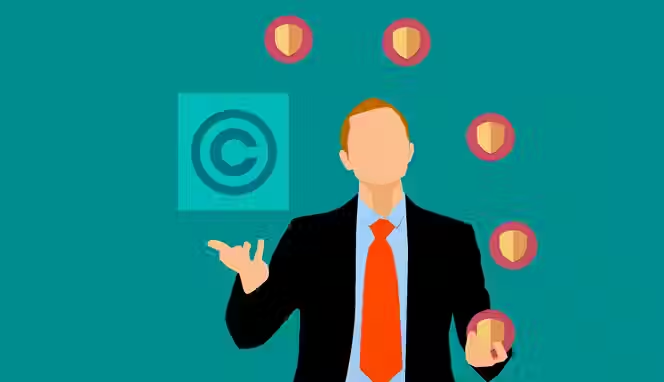
“Dropshipping copyright” is not a special law. It is simply copyright law applied to the way you run a dropshipping store. Copyright protects creative work such as photos, videos, music, artwork, product designs, and written copy. Any time you use work that someone else created, you are either doing it with permission or without it. If it is without permission, you may be infringing.
As a dropshipper, you are not just reselling physical items. You are publishing product images, running video ads, posting designs on print on demand products, and writing descriptions. All of those assets can trigger copyright issues. When people talk about dropshipping copyright, they usually mean avoiding trouble from using someone else’s creative assets or selling products that themselves copy protected work.
Why Does Copyright Matter So Much for Dropshippers?
Copyright owners do not need to warn you before they act. They can go straight to your ecommerce platform, ad account, or payment processor with a complaint. That can lead to product takedowns, store suspensions, frozen funds, and in serious cases, lawsuits. From the outside, it might look like a “small” issue, but it is one of the fastest ways to lose your entire store.
On top of that, copyright issues often come bundled with reputation damage. Selling knockoffs or stolen designs makes your brand look cheap and unreliable. If you want long term customers instead of one time impulse buyers, you want to avoid copyright infringement as a dropshipper and keep your catalog as clean as possible.
Types of Dropshipping Copyright Laws
Here are the different types of dropshipping copyright laws and problems should be aware of:
Copyright on product images and videos
Most beginner dropshippers assume supplier images are free to use everywhere. In reality, a lot of product photos on big marketplaces are copied from other brands without permission. If you copy those images again for your store or ads, you are still liable. Copyright attaches to the image itself, not to where you found it.
A safer path is to buy samples and shoot your own photos and short videos. That way, you own the content you publish, and you are not relying on a supplier who may be lifting media from another brand. You can also mix in licensed stock imagery for lifestyle scenes, as long as the license allows commercial use.
Copyright on designs and artwork
Print on demand makes it tempting to upload designs based on shows, movies, games, memes, or sports teams. That is where a lot of stores walk into direct infringement. Names, characters, logos, and even very recognizable silhouettes or scenes from series like Stranger Things or Game of Thrones are protected. Slapping them on a shirt or mug without a license is inviting a takedown.
Even “inspired by” designs sit in a dangerous grey area if the link to the original show or brand is obvious. Platforms and rights holders do not care that your design is slightly different if customers still clearly think of a protected series or character. Safer designs are original concepts, quotes you wrote yourself, and generic themes like hobbies, pets, or professions.
If you want a lower risk way to test print on demand, work with neutral designs and proven suppliers that support print quality and shipping, such as the Spocket print on demand catalog.
Copyright on written content and product descriptions
Copying another store’s description word for word is also copyright infringement. Many newcomers scrape copy from Amazon or competitor sites and paste it straight into their product pages. That might save time in the short term, but it makes your store look generic and can trigger DMCA notices if the original writer decides to act.
Instead, write fresh copy in your own style. Start from supplier specs, but rewrite them with your own structure, tone, and benefits. If you want to speed that up while keeping things original, you can use Smartli for writing product descriptions and then lightly edit the output so it matches your brand voice.
Copyright on logos, branding, and store visuals
Your store logo, banners, and brand visuals are also subject to copyright rules. You cannot grab someone else’s logo template, tweak one letter, and call it your own. Likewise, using graphics that are almost identical to a famous brand’s identity creates trademark and copyright risk together.
Treat your logo and branding as original creative work. That does not mean you need to hire expensive designers from day one. You can experiment with safer tools like AI logo generators and then refine your visuals as you grow. When your margins allow it, invest in custom branding so your store looks and feels unique.
Dropshipping Trademark vs. Dropshipping Copyright
Copyright protects creative works such as designs, photos, and text. Trademark protects brand identifiers such as names, logos, slogans, and distinctive packaging. In practice, dropshipping trademark issues appear when you use another brand’s name or logo to sell products without permission.
If you sell products that copy both the design and the logo, you are likely breaking both copyright and trademark law at the same time. That is what happens with fake tech accessories that mirror Apple’s look and logo. Those products might look like easy money, but they are exactly what gets stores banned and sued. Safer stores keep trademark and dropshipping copyright clean by sticking to unbranded or white label items.
How Does Dropshipping Copyright Infringement Happen?
Copyright infringement in dropshipping usually starts with product selection and marketing shortcuts. Someone sees trendy knock off headphones or “inspired” bracelets on a marketplace, notices strong engagement, and lists the same item. The supplier page often uses brand names or logos to get more clicks. When you copy those same photos and words onto your store, you inherit the risk.
Print on demand can be even riskier when designs use famous shows, movie quotes, or characters. A Netflix or Disney property might look like a goldmine because fans love it, but those companies watch the internet closely. They send copyright claims, ask platforms to remove listings, and sometimes push for damages. There are already documented cases of knock off AirPods and similar accessories breaching Apple’s intellectual property rights, which shows how seriously brands take this area.
Copyright problems also appear in your ads and social posts. Using clips from shows, popular songs, or fan art in your video creatives without permission can trigger content ID claims and ad account bans. Even if your product itself is safe, your promotional content can cross the line. So the risk is not just what you sell, but how you present it.
Cheap suppliers make all of this worse. Some overseas factories upload product pages that copy Western brands and then encourage dropshippers to run ads for them. An investigative piece warned new sellers to beware of selling cheap products that are simply rebranded knockoffs of better known items, since that often leads to angry customers and legal trouble. It is better to build a catalog of safe, problem solving products from vetted suppliers on platforms such as Spocket’s dropshipping marketplace.
How to Avoid Dropshipping Copyright Infringement?

The real question is not whether copyright exists, but how to avoid dropshipping copyright infringement while still making money. That starts with your mindset. You are building a long term store, not reselling whatever gets views on TikTok for a week. Once you accept that, it becomes much easier to say no to obvious copies and shady offers.
The goal is to run dropshipping and copyright in harmony. You pick safe products, bring your own creative angle, and protect both your customers and yourself. The following practices keep you much safer than the average newcomer.
Choose products that are not built on someone else’s brand
Most products online are not protected by any visible brand, show, or artwork. Think about generic problem solving items such as posture correctors, kitchen tools, back braces, or hair curlers. You can sell those without putting another brand’s logo on your site or in your ad. That gives you far lower IP risk than trying to resell copycat gadgets that scream “famous brand”.
Before you list a product, look closely at its design. If it has character faces, team logos, or art that clearly ties to a franchise, skip it. You want your store filled with items that solve urgent problems without relying on someone else’s story or reputation. That approach lets you run dropshipping copyright without copyright conflicts at every turn.
Work with reliable suppliers and platforms
Random suppliers on marketplaces may ignore intellectual property rules. They might upload product photos from the original brand and quietly ship counterfeit versions. As the visible seller, you carry much of the downside while they move on to new accounts. That is not a trade you want.
Safer suppliers respect copyrights, provide their own photos, and stay away from obvious knockoffs. You are far more likely to find those through curated platforms and dropshipping tools instead of scraping the cheapest listing. If you are just starting, test products from a trusted network of suppliers and trending items from catalogs like Spocket’s trending dropshipping products, rather than risky “branded” deals.
You can also create a free account with Spocket and use the internal filters to focus on products that are unbranded or private label friendly.
Audit images, names, and descriptions before launch
Treat product research as legal research as well. When you are unsure whether a design or logo is protected, run quick checks. Look up the brand name in official trademark databases for your country. Search the product images in Google Images to see if they belong to a known brand. If you see the same picture on a major label’s site, do not use it.
Ask yourself a simple question: how can dropshippers avoid copyright lawsuits from angry brands and agencies. The answer is almost always to stay away from clear copies, and to remove anything questionable before it ever reaches customers. Take a little extra time upfront instead of hoping nobody notices your store.
Create your own original creatives and copy
Even with safe products, you still want unique photos, videos, and descriptions. Original creative work gives you a stronger brand and lower copyright risk. Customers respond better to real lifestyle images than to the same stock photo they have already seen on ten other sites, and ad platforms tend to favor authentic content.
If writing is not your strongest skill, you can study practical copywriting tips that translate features into benefits for your audience. Combine that with original product photos or user generated content, and you reduce your dependence on anything that might belong to someone else.
Build a brand that does not lean on existing IP
When your store has a clear visual identity, you do not need to borrow from other companies to look appealing. Think about your logo, color palette, and tone of voice as a small cohesive system that customers remember. A strong brand identity makes you less tempted to piggyback on movie logos or sports teams.
You can read more about the importance of brand identity and then apply those ideas in a simple, practical way. Over time you can refine your look further with custom branding upgrades such as branded inserts, thank you cards, or packaging that does not copy any other label.
Use print on demand with clean, original themes
Print on demand is powerful when your ideas are original. If your catalog is packed with designs based on famous series, games, or celebrities, you are asking for copyright issues. Instead, focus on niches such as pets, professions, hobbies, or simple typography that you designed from scratch.
Work with reputable print providers and POD suppliers who avoid infringing templates. Many of them are available through platforms like Spocket’s print on demand partners. If you ever feel unsure about a design, do not publish it. Rework it until it stands on its own.
What to Do If You Infringed Dropshipping Copyrights?
Sometimes you only realize you crossed the line once you get a complaint, DMCA notice, or platform strike. Panic makes things worse, so slow down and act methodically. Your priorities are to stop the infringement, limit damage, and show that you are acting in good faith. The quicker you move, the more likely it is that rights holders or platforms give you a second chance.
Here is a practical sequence to follow if you suspect you infringed dropshipping copyright or receive a notice.
- Pause sales and ads on the flagged products
Unpublish the product from your store, stop ad campaigns, and remove it from marketplaces. That shows you are not trying to keep selling while the issue is under review. It also prevents new customers from buying something that may later be pulled.
- Remove infringing media and replace it with safe assets
Delete any images, videos, or descriptions that appear in the complaint. If you still want to sell a similar product lawfully, source non infringing photos by shooting your own content. Only republish when you are confident the new assets are clean.
- Respond to the notice in a calm, factual way
If you receive an email from a platform or rights holder, read it closely and reply once you have taken action. Avoid emotional language or excuses. Briefly explain what you removed and, if relevant, that your supplier misrepresented the content. That tone keeps doors open for resolution.
- Consult a legal professional for serious claims
When the notice includes a demand letter, request for damages, or court language, speak to a lawyer in your jurisdiction. General advice from forums or other sellers cannot replace proper legal counsel. A short consultation can clarify your options and the actual level of risk.
- Review your sourcing and creative workflow
Treat each incident as a signal that something in your process is broken. Maybe you relied too heavily on supplier images, or chased hot shows and games for print on demand designs. Adjust your criteria so your future catalog avoids the same trap.
How to Avoid Legal Trouble When Dropshipping Any Product
Copyright is only one part of legal risk in dropshipping. Product safety, customer protection, tax rules, and business structure also matter. A single bad decision can reach your personal assets if your store is not set up correctly.
The good news is that you can cover most of your legal basics with common sense and a few clear habits.
- Form a proper business entity once you see traction
An LLC or similar structure can separate your personal assets from your store’s liabilities. If someone sues the business, your personal bank account and home are less exposed. Talk to a local accountant or attorney to pick a structure that fits your country and tax rules.
- Keep your catalog away from obvious knockoffs and risky niches
Avoid products that imitate major brands, especially in categories like tech, luxury goods, or kids’ items. Rights holders in those spaces are very aggressive. Build your store around useful, generic products instead of shortcuts that ride on other brands’ names.
- Track invoices, licenses, and permissions
Save proof of every purchase order, license agreement, and permission email related to your products and media. If a platform questions you, those records support your explanation. Good documentation is boring, but it makes stressful situations easier to handle.
- Use clear policies for refunds, returns, and safety issues
Publish honest policies about refunds and returns that match how you actually operate. If a product has safety warnings or age limits, mention them clearly on the product page. That reduces misunderstandings and shows that you take customer safety seriously.
- Invest in tax and accounting support as revenue grows
Once your store hits consistent sales, hire a tax professional to handle filings and required registrations. That keeps you away from surprises related to sales tax, VAT, or income tax. Clean books also make your store easier to sell in the future if you choose that path.
Conclusion
Copyright problems in dropshipping often come from impatience, not from bad intentions. Sellers chase hype products with borrowed logos and artwork, then feel shocked when a big brand notices. If you choose safe products, work with responsible suppliers, and bring your own original creatives, your store can grow with far fewer surprises. Think long term, treat other creators’ work with respect, and build a catalog you are proud to put your name on. That is the simplest way to keep your dropshipping copyright record clean while your revenue increases.
Want to search for products which are not at risk of dropshipping copyright infringement? Check out Spocket!
Start your dropshipping business today
Dropshipping Copyright FAQs
Is dropshipping legal if I avoid branded products?
Yes, dropshipping is legal in most countries, as long as you respect intellectual property and consumer protection laws. You dramatically lower your risk when you avoid branded items, fake tech, and designs based on famous shows or teams. Focus on problem solving products and generic tools that do not depend on another company’s reputation, and always publish original creatives for your ads and pages.
How can dropshippers avoid copyright lawsuits on Shopify and Meta?
The safest approach is to only sell products and media you are allowed to use. That means skipping obvious knockoffs, fan art, and supplier images that look like they belong to a known brand. When in doubt, do not run ads for it. If you want a safer foundation for your store, build your catalog from safer sources and establish clear rules for your own team about copyright checks.
Can I run dropshipping copyright without copyright problems on print on demand?
You can, as long as your designs are original. Stay away from character names, logos, catchphrases, and visual styles that are clearly tied to a famous show, game, or brand. Use your own illustrations, text, and concepts instead. Avoid scraping “inspired” artwork from the internet, since fan art is usually not licensed for commercial use and can trigger fast takedowns.
Is it okay to reuse AliExpress photos for my own dropshipping store?
Reusing supplier photos is risky, because many of those images are copied from other brands. Even if the supplier uploaded them, they might not own the rights. The safer method is to order a sample and take your own pictures that match your store’s style. You can also mix in licensed stock photos for lifestyle scenes, as long as your license allows ecommerce use.
Do I need permission to use product descriptions from Amazon or other stores?
Yes, copying descriptions from Amazon or competitor sites is considered copyright infringement. Another seller wrote that copy and owns the rights to it. Instead of copying, use product specs as raw input and create your own text in your voice. If writing is hard, start with short, clear bullet points that explain who the product is for, what problem it solves, and why it is different.
How to avoid dropshipping copyright infringement when using influencers?
Give influencers clear rules about what they can and cannot use in their content. Ask them to film original footage and avoid adding clips from shows, songs they do not have rights to, or fan art in their posts. Review the content before it goes live whenever possible. Treat influencer content like your own ads, because platforms and rights holders will still associate infringement with your brand.


Launch your dropshipping business now!
Start free trial.avif)


Related blogs
Dropshipping Supplier Directory: Where to Find Vetted Suppliers
Browse our directory of vetted dropshipping suppliers across the US and EU, complete with niches, shipping speed, and pricing. Start your free trial today.

How to Negotiate With Dropshipping Suppliers: 9 Tactics That Actually Work
Learn how to negotiate with dropshipping suppliers on price, MOQs, and payment terms. Proven tactics and email scripts to boost your margins. Try Spocket free.

Best Clothing Dropshipping Suppliers: The 2026 Guide
Compare the best clothing dropshipping suppliers for 2026 — US/EU shipping speeds, pricing, and product quality — and find the right fit to launch your store.