What Is Business Casual for Men?
Learn what business casual for men means and how to dress. Get 20 rules, outfit examples, and tips for different industries and occasions.

Business casual has become the go-to dress code for millions of men in today's workplace. Unlike full formal attire, business casual for men strikes a balance between polished and relaxed. You get the professionalism without the rigidity of a three-piece suit. If you're starting a new job, heading to client meetings, or simply want to upgrade your wardrobe, understanding business casual for men is essential.

This guide walks you through everything you need to know about nailing this dress code. We'll cover what it means, why it matters, and how to build a wardrobe that works for you.
What Is Business Casual for Men?

Business casual for men is a dress code that sits between casual and full business formal wear. Think button-up shirts instead of t-shirts, and khakis or chinos instead of jeans. The goal is to look professional without overdressing. You want to appear competent and trustworthy while still being comfortable enough to move and work throughout the day.
The beauty of business casual for men is its flexibility. Different industries and companies interpret it differently. A tech startup might lean more casual, while a financial firm might expect something closer to business formal. Regardless, business casual for men typically includes tailored trousers, neat hair, and a put-together appearance.
What separates business casual from straight-up casual is intention. Business casual for men means you've thought about your outfit. Everything fits properly, colors coordinate, and nothing looks wrinkled or stained. You're not throwing on whatever's clean—you're making deliberate choices about your appearance.
Dos of Men's Business Casual
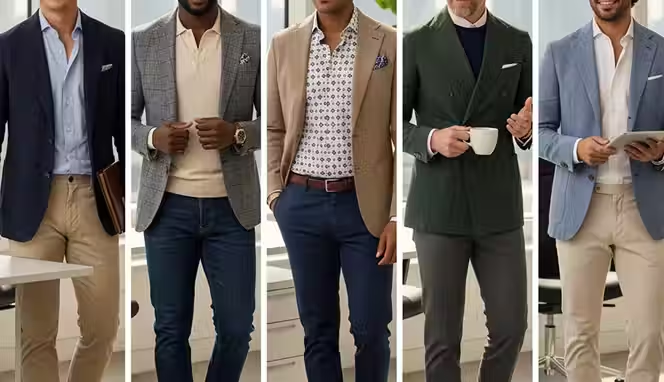
Here are the do’s of business casual for men:
Wear the Right Trousers
The foundation of business casual for men starts with your pants. Opt for tailored trousers in neutral colors like navy, gray, or charcoal. Khaki and beige chinos work well too, but make sure they're clean and fit properly. Trousers should fall to the top of your shoe without bunching at the ankle or dragging on the ground.
Avoid overly trendy cuts. Business casual for men calls for a straight or slightly tapered leg. Baggy pants read as too casual. Skinny jeans, even dark ones, don't belong in this category. The waistband should sit at your natural waist, not drooping low on your hips.
Choose Quality Fabrics
Business casual for men works best when fabrics have some weight and structure. Look for cotton blends that resist wrinkles, or wool trousers that drape well. Quality matters because cheap fabrics wrinkle easily and can look shabby after a few wears.
Invest in a few good pairs of trousers rather than many cheap ones. You'll look better and your clothes will last longer. Fabric quality also affects how business casual for men comes across—premium materials signal professionalism.
Button-Up Shirts Are Essential
A crisp button-up shirt is the cornerstone of business casual for men. Oxford cloth, poplin, or linen all work depending on the season. White and light blue are safe choices that pair with almost everything. You can branch into pastels or subtle patterns like small checks or stripes.
Make sure your shirt fits through the shoulders and chest without pulling or gaping. Business casual for men means the shirt should be tucked in, either fully or half-tucked depending on the length. Long sleeves are standard, though short sleeves can work in warmer months if they're structured and neat.
Add Layers Strategically
A blazer instantly elevates business casual for men. You don't need to wear it every day, but having one on hand transforms your look. Navy, gray, or charcoal blazers are versatile and work with most outfits. A sweater vest or cardigan also works as a layering piece to add sophistication.
When wearing business casual for men, layers also help you adapt to office temperatures. A lightweight sweater over a button-up gives you options without looking too formal.
Keep Your Appearance Neat
Business casual for men isn't just about clothes—it's about how you present yourself overall. Keep your hair trimmed and tidy. If you have a beard, keep it clean and shaped. Nails should be clean. Footwear must be polished and free of scuffs.
Tucking in your shirt is non-negotiable for business casual for men unless you're wearing an intentionally oversized, shorter piece. Keep your belongings organized and your workspace tidy too—that reflects on your overall presentation.
Choose Professional Shoes
Business casual for men calls for closed-toe shoes in neutral colors. Leather dress shoes are the safest bet. Oxfords, loafers, and Derby shoes all work well. Dark brown or black shoes are most versatile. Make sure they're clean and in good condition.
Boat shoes, clean leather sneakers, or driving mocs can work in more relaxed environments, but traditional dress shoes are the standard for business casual for men. Avoid athletic sneakers, sandals, and anything with large logos or bright colors.
Pair Accessories Thoughtfully
A simple watch, leather belt, and minimal jewelry complete business casual for men. Your belt should match your shoes—if you're wearing brown shoes, use a brown belt. Watches should be understated; expensive-looking sports watches or oversized pieces don't fit the vibe.
Keep jewelry minimal. A ring or two is fine, but avoid anything too flashy. Business casual for men emphasizes subtlety and professionalism.
Don'ts of Men's Business Casual

Here are the dont’s of men’s business casual:
Avoid Graphic Tees and Logos
T-shirts with large graphics, band logos, or company branding belong in casual wear, not business casual. Even branded athletic wear like visible Under Armour or Nike logos reads as too casual. Business casual for men excludes these entirely.
If you want to wear a t-shirt, it should be under a button-up or blazer as an undershirt. Plain solid-color tees might work in extremely casual environments, but they're risky for business casual for men.
Skip Jeans, No Matter the Color
Dark jeans, distressed jeans, skinny jeans—jeans in any form don't count as business casual for men. Even luxury denim brands marketed as "business casual" don't really fit the standard. Stick with chinos or trousers instead.
The only exception might be "Casual Friday" in ultra-relaxed companies, and even then, dark, pristine jeans paired with a blazer is questionable for true business casual for men.
Don't Wear Wrinkled or Stained Clothing
Wrinkles and stains immediately undermine business casual for men. If something needs ironing, iron it before wearing. If it's stained, it's not ready for the workplace.
This applies to shoes too. Scuffed, dirty, or worn-out shoes are a no-go. Polish them or replace them. Business casual for men depends entirely on looking put-together.
Avoid Athletic or Performance Wear
Gym clothes, athletic shoes, moisture-wicking fabrics, and anything that screams "workout gear" doesn't belong in business casual for men. Sneakers with technical fabric, running shoes, or cross-training shoes aren't appropriate.
Even "lifestyle" athletic brands styled as casual wear don't fit business casual for men. Stick with traditional dress shoes and regular fabrics.
Skip Bold or Neon Colors
Business casual for men relies on neutral and subdued colors. Bright neon greens, hot pinks, or electric blues are too much. Stick with navy, gray, charcoal, black, white, cream, khaki, and earth tones.
You can add personality through subtle patterns or muted jewel tones, but business casual for men isn't the place for statement colors.
Don't Forget About Fit
Oversized shirts that hang past your hips, pants that pool around your feet, or sleeves that go past your wrists make business casual for men look sloppy. Too-tight clothes that pull or gap are equally wrong.
Invest in tailoring if needed. Proper fit is crucial for business casual for men.
Avoid Excessive Accessories
A watch and belt are great. Ten bracelets, multiple chains, and costume jewelry are too much. Business casual for men calls for restraint and professionalism.
Avoid hats, bandanas, or anything that looks too casual. Eyeglasses are fine, but sunglasses on your head or dangling from your shirt aren't.
Types of Business Casual for Men
Here are the different types of business casual for men:
Smart Casual
Smart casual is the most relaxed version of business casual for men. It includes well-fitting jeans paired with a blazer and button-up shirt, or chinos with a polo shirt and cardigan. This version works for Friday dress-down days or creative industries. You still look polished but with more flexibility.
Smart casual business casual for men might include loafers instead of oxfords or a sweater in place of a blazer. The key is that everything still looks intentional and neat.
Business Casual Formal
This is the dressier end of business casual for men. It's close to business formal but without the tie. Think tailored trousers, a pressed button-up shirt, and a blazer worn most days. Shoes are polished leather dress shoes.
Business casual for men in this style works for client-facing roles, management positions, or conservative industries like finance or law.
Creative Business Casual
Tech companies and creative agencies often have their own take on business casual for men. You might see well-fitting dark jeans paired with a nice sweater or button-up. Clean sneakers or minimal shoes might be acceptable.
Business casual for men in creative fields focuses more on looking intentional than following rigid rules. You might skip the blazer entirely, but everything should still be clean and well-maintained.
Industry-Specific Variations
Some industries have specific expectations for business casual for men. A hospital might expect more formal dress than a startup. A law office looks different from a marketing agency. Always pay attention to what your coworkers wear and adjust accordingly.
When you start a new job, observe your colleagues for a week or two. Business casual for men might mean different things depending on your workplace.
Business Casual for Men Examples
To give you more ideas, let’s check out some pairings. Explore these business casual for men examples with us:
Outfit 1: The Classic

Navy chinos, white button-up shirt, light blue blazer, brown leather oxfords, brown belt, simple silver watch. This is the safest, most universally accepted version of business casual for men.
Outfit 2: The Warm Weather Version

Light gray trousers, light blue short-sleeve button-up, tan loafers, no blazer. Business casual for men works in summer too, just adjust the fabrics and sleeve length.
Outfit 3: The Darker Ensemble

Charcoal wool trousers, light pink button-up, navy blazer, black leather dress shoes, black belt. Business casual for men can include subtle color variation while staying professional.
Outfit 4: The Pattern Option
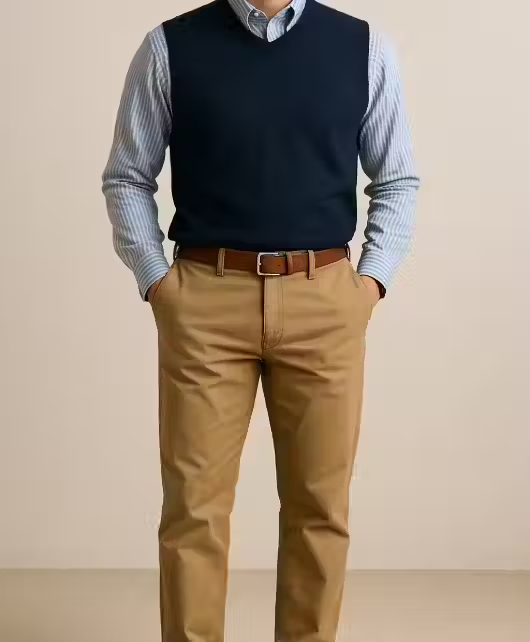
Khaki chinos, subtle blue and white striped button-up, navy sweater vest, brown oxfords, brown belt. Business casual for men allows for small patterns if they're restrained and professional.
Outfit 5: The Smart Casual Approach

Dark navy jeans, charcoal sweater, light blue button-up shirt peeking out from under the sweater, black leather loafers. This version of business casual for men is more relaxed but still polished for casual Friday or creative environments.
Business Casual for Men for Different Industries
Now let’s check out how business casual for men for different industries look like. Here’s how they work:
Finance and Banking
Finance expects more formal business casual for men. Think tailored trousers, crisp button-ups, blazers worn regularly, and polished leather shoes. Colors are conservative—navy, gray, black, white. Patterns are minimal. This version of business casual for men leans toward business formal.
Technology and Startups
Tech companies often embrace the most relaxed interpretation of business casual for men. Clean dark jeans are often acceptable with a nice sweater or button-up. Sneakers might be fine if they're clean and intentional. Blazers are optional.
Business casual for men in tech focuses on looking neat and intentional rather than following traditional rules.
Sales and Marketing
Sales teams often wear business casual for men with a bit of personality. A patterned tie is optional but not necessary. Colors can be slightly bolder. The goal is looking professional and approachable, so business casual for men in these fields is moderately formal with room for personal style.
Creative Industries
Designers, marketers, and creators have the most flexibility with business casual for men. Dark jeans with a blazer or nice sweater work. Clean statement pieces or interesting textures are acceptable. The key is looking intentional.
Business casual for men in creative fields prioritizes individuality while maintaining professionalism.
Healthcare
Doctors and healthcare professionals often wear business casual for men that's closer to business formal. White coats are typical, but underneath you'll find dress pants and button-ups. This version prioritizes cleanliness and professionalism above all.
Business Casual for Men for Job Interviews
Job interviews call for your best version of business casual for men. Aim toward the more formal end of the spectrum. Wear a blazer, pressed button-up, tailored trousers, and polished leather shoes.
Colors should be conservative: navy, gray, charcoal, black. Patterns should be minimal. Your watch should be simple and understated.
If you're interviewing for a tech startup or creative company, business casual for men might be slightly more relaxed, but err on the side of formality. You can always dress down for future days once you understand the company culture.
Make sure everything fits perfectly and there are zero wrinkles. Business casual for men for an interview is about showing respect and professionalism.
Business Casual for Men for Different Occasions
Are you planning to wear business casual? Here’s how to get it right for every occasion:
Daily Wear at the Office
For everyday business casual for men, focus on comfort and repetition. Build a rotation of neutral trousers, several button-ups, and a blazer or two. Comfortable, polished shoes you can wear all day are essential. This version of business casual for men keeps things simple and sustainable.
Client Meetings
When meeting clients, dress toward the more formal end of business casual for men. Wear a blazer, pressed button-up, tailored trousers, and leather dress shoes. Make sure everything is impeccable. This version of business casual for men conveys competence and respect.
Company Events
Company parties or casual gatherings might allow you to relax business casual for men slightly. Dark jeans could work, or you might skip the blazer. But still look intentional and neat. Business casual for men at events balances professionalism with the casual setting.
Presentations or Speeches
If you're presenting, dress toward the formal end of business casual for men or go full business formal. First impressions matter, and you want to command attention. A blazer is recommended. Business casual for men for presentations shows you take the moment seriously.
How to Pair Men's Business Casuals
Here are some strategies you can follow when you want to pair men’s business casual with everything else:
Neutral Base Strategy
Start with neutral trousers in navy, gray, charcoal, or khaki. Add a white or light blue button-up. Layer with a neutral blazer or sweater. This approach makes business casual for men simple and foolproof. Everything coordinates because neutrals work together.
Monochromatic Approach
Wear shades of the same color family. Navy trousers, light blue button-up, darker blue blazer. Business casual for men looks cohesive and intentional when colors align. This strategy works for any color as long as you stick within one family.
Contrast Pairing
Pair lighter trousers with darker shirts, or vice versa. Khaki chinos with a navy button-up. Gray trousers with a white shirt. Business casual for men benefits from contrast that creates visual interest. Just keep colors conservative and professional.
Pattern with Solids
If you're wearing a patterned shirt, pair it with solid trousers. Business casual for men works best when only one piece has a pattern. A striped or checked button-up pairs well with plain navy or gray trousers.
Layering for Depth
Combine a solid button-up with a sweater or blazer in a complementary color. Business casual for men often relies on layers to add dimension. A light blue shirt under a charcoal sweater looks professional and put-together.
Shoe and Belt Coordination
Your belt and shoes should match in color. Brown belt with brown shoes, black belt with black shoes. This simple rule makes business casual for men look intentional. Coordinating these pieces is one of the easiest ways to elevate your appearance.
How to Build Your Business Casual Wardrobe
Here is how to get started:
- Start with essentials. You need at least three pairs of trousers in neutral colors, five button-up shirts, one blazer, and two pairs of dress shoes. This foundation gives you 15+ outfit combinations.
- Add a sweater or two for layering. Include a belt or two to match your shoes. One watch completes the basics.
- Once you have these essentials, you can expand. Add trousers in different fabrics for different seasons. Invest in button-ups with subtle patterns. Get a second blazer in a different color if you find you're reaching for your first one daily.
- Quality over quantity for business casual for men. Five great pieces beat 20 mediocre ones.
If you're starting fresh and need products to build your wardrobe, Spocket offers over 100 million winning products to help you source everything you need. Whether you're a dropshipper looking to stock inventory or just searching for quality items, Spocket's verified US and EU suppliers provide high-quality clothing and accessories. You get 24/7 VIP customer support and can test products before placing larger orders, plus enjoy huge savings with their 7-day free trial.
Conclusion
Business casual for men is achievable once you understand the basics. Invest in quality neutral trousers, well-fitting button-up shirts, and polished leather shoes. Layer with a blazer or sweater when needed. Keep everything clean, pressed, and properly fitted.
Remember that business casual for men might vary by industry and company, so observe your workplace culture. Start formal if unsure, then adjust based on what you see around you. With these foundations, you'll look professional, confident, and appropriate in any business casual for men setting. Need to dropship men’s clothing today? Use Spocket!
Start your dropshipping business today
Business Casual for Men FAQs
Can I wear polo shirts as part of business casual for men?
Polo shirts can work in some business casual environments, especially casual Friday or creative industries. However, button-up shirts are the safer, more universally accepted choice for business casual for men in traditional settings. Polos lean more casual, so stick with button-ups if you're unsure about your workplace dress code expectations.
What color shoes work best for business casual for men?
Black and dark brown leather dress shoes are the most versatile choices for business casual for men. These neutral colors pair with almost any outfit and look professional in any industry. Avoid bright colors, patterns, or athletic-style footwear. Stick with classic, polished leather shoes for reliability across all business casual for men scenarios.
Is it acceptable to wear business casual for men without a blazer?
Yes, blazers are optional for everyday business casual for men, though wearing one elevates your look. A sweater, cardigan, or well-fitted button-up alone can work depending on your workplace. However, if you're meeting clients or attending important meetings, wearing a blazer with business casual for men shows more professionalism and respect for the occasion.
How do I know if my outfit qualifies as business casual for men?
Your outfit qualifies as business casual for men if it includes tailored trousers or chinos, a button-up shirt, closed-toe shoes, and everything is clean and well-fitted. Check that colors are neutral or professional, patterns are subtle, and nothing looks wrinkled. If you'd feel comfortable meeting clients or presenting to management wearing it, it's likely appropriate business casual for men.
Can I wear short-sleeve shirts as business casual for men?
Short-sleeve button-up shirts work for business casual for men in warmer months or relaxed environments. Make sure the sleeves are structured and end mid-bicep, not drooping. Pair them with tailored trousers and leather shoes. In conservative industries like finance, long sleeves are safer, but business casual for men in creative or casual environments often accepts short sleeves if the rest of your outfit is polished.
What's the difference between business casual and smart casual for men?
Business casual for men is more formal, typically including blazers and crisp button-ups with tailored trousers. Smart casual is more relaxed and might include dark jeans, polos, or sweaters instead of blazers. Business casual for men works for client meetings and formal offices, while smart casual suits casual Friday or creative workplaces. Both require clean, intentional styling, but business casual for men leans more toward traditional professionalism.


Launch your dropshipping business now!
Start free trial.avif)


Related blogs

Trendsi vs Shein: Full Review (2026)
Trendsi vs Shein breakdown on costs, quality, and fulfillment. Decide if Trendsi wholesale or Shein shopping suits your goals.


How the Slow Fashion Movement is Impacting E-commerce in 2026?
More shoppers now value quality over quantity. This guide covers the slow fashion movement, key brands, and its impact on e-commerce.

Spring Fashion Trends 2026 The Wearable Trend Report
Discover the top spring fashion trends for 2026—from colors and silhouettes to key wardrobe pieces that will define the new season’s style.