


How to Use Pinterest to Drive Free Traffic to Your Dropshipping Store
Learn how to drive free Pinterest traffic to your dropshipping store with SEO-friendly pins, boards, product content, and smart conversion tactics.
.avif)

Pinterest is one of the most powerful free traffic channels for dropshipping stores, yet many sellers overlook it because they think of it only as a place for recipes, home decor, fashion mood boards, or DIY ideas. In reality, Pinterest works more like a visual search engine than a regular social media platform. People use it to discover ideas, plan purchases, compare styles, save products, and return later when they are ready to buy.
That makes Pinterest especially useful for dropshipping. Instead of interrupting users with ads, you can appear when they are already searching for inspiration related to your products. For dropshipping businesses, Pinterest is valuable because content can continue working long after it is published. A pin can bring traffic for weeks or months if it ranks for the right search terms. This gives sellers a long-term organic traffic opportunity without depending completely on paid ads.
In this guide, you will learn how to use Pinterest to drive free traffic to your dropshipping store, optimize your pins for search, create content that gets clicks, and turn Pinterest visitors into paying customers.
Why Pinterest Works for Dropshipping Stores
Pinterest works well for dropshipping because people use it with intent. Unlike fast-scrolling social platforms where users mainly consume entertainment, Pinterest users often search for ideas they want to try, buy, save, or revisit later.
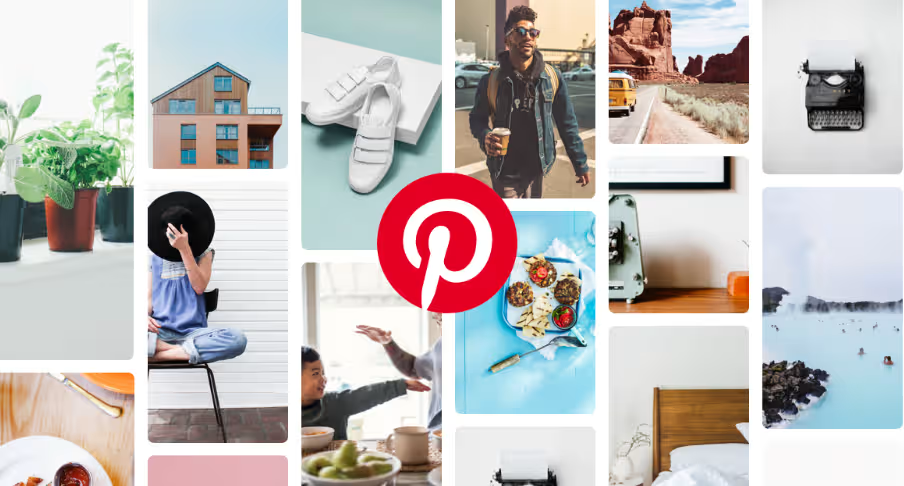
This matters because dropshipping depends heavily on product discovery. Customers need to see your product in a way that feels useful, inspiring, or relevant to their life. Pinterest helps you do exactly that by letting you position products around problems, aesthetics, occasions, seasons, and lifestyle goals.
Pinterest has more than 500 million monthly active users, making it one of the largest visual discovery platforms for shoppers and creators. That scale gives ecommerce sellers a serious opportunity to reach users who are actively planning purchases, collecting ideas, and exploring products.
Pinterest works for dropshipping because it supports:
- Organic product discovery
- Search-based traffic
- Long-lasting content
- Visual storytelling
- Niche targeting
- Seasonal shopping intent
- Product and blog traffic
- Saved content that users revisit
- Free exposure without daily ad spend
A dropshipping seller does not need to go viral to get value from Pinterest. You need consistency, strong keywords, clean visuals, and links that send users to relevant product pages or collections.
Pinterest Is a Search Engine, Not Just a Social Platform
The biggest mistake dropshippers make is treating Pinterest like Instagram or TikTok. On those platforms, content usually depends on followers, engagement, trends, and short-term visibility. Pinterest is different because users search directly for topics.
For example, someone may search:
- “boho bedroom ideas”
- “cute dog accessories”
- “home office desk setup”
- “summer jewelry trends”
- “small kitchen organization”
- “travel essentials for women”
Each search can lead to a product, collection, or blog post from your store. That means Pinterest can help you reach people before they even know your brand exists.
How to Set up Your Pinterest Account
Before you start creating pins, your Pinterest account needs to look professional, searchable, and connected to your dropshipping brand. A well-optimized setup helps Pinterest understand your niche, improves trust with visitors, and makes it easier to turn profile views into store traffic. This step lays the foundation for everything else you do on the platform, from creating boards to driving clicks to your product pages.
1. Set Up a Pinterest Business Account
Before posting pins, create a proper Pinterest Business account. This gives your dropshipping store a professional presence and gives you access to tools that are useful for ecommerce marketing.
A business account allows you to see analytics, track pin performance, claim your website, and create a more credible brand profile. This is important because Pinterest users are more likely to click through when your profile looks trustworthy and relevant.
Your Pinterest profile should clearly show what your store offers. Do not make it vague. If your store sells home decor, say that. If it sells pet products, say that. If it focuses on fashion accessories, make that clear.
A strong Pinterest profile includes:
- Your store name
- A clear logo or brand image
- A keyword-rich bio
- A link to your website
- Boards related to your niche
- Consistent visual branding
- Pins that match your product categories
For example, instead of writing a bio like “Trendy products for everyone,” write something more specific:
“Modern home decor, storage finds, and cozy lifestyle products for small spaces.”
That tells Pinterest and users exactly what your account is about.
Claim Your Website
Claiming your website connects your store domain to your Pinterest account. It makes your profile look more trustworthy and helps Pinterest understand that your pins are linked to your brand.
If your dropshipping store is built on Shopify, you may be able to connect your store with Pinterest depending on your region and account eligibility. Even if you do not use a direct integration, you can still post pins manually and link them to your product pages, collection pages, or blog posts.
Claiming your website also helps with analytics because you can better understand which pins are sending visitors to your store.
Keep Your Branding Consistent
Your Pinterest account should feel connected to your store. Use the same logo, tone, niche positioning, and visual style. When someone clicks from Pinterest to your dropshipping store, the experience should feel smooth and familiar.
If your Pinterest pins look clean and premium but your store looks messy or unrelated, visitors may leave quickly. Consistency builds trust.
2. Choose Pinterest-Friendly Dropshipping Products
Not every product is ideal for Pinterest. The best-performing products are usually visual, useful, aspirational, seasonal, giftable, or tied to a lifestyle.
Pinterest users often search for ideas, not just products. That means you need to choose products that can be shown in a practical or inspiring context.
Pinterest-friendly dropshipping niches include:
- Home decor
- Kitchen organization
- Fashion accessories
- Women’s clothing
- Beauty tools
- Wellness products
- Pet accessories
- Baby products
- Gift items
If you use Spocket, look for products with strong visual appeal, clear use cases, and good product images. A simple product can perform well if it solves a problem or fits a popular aesthetic.
Think Beyond the Product Name
Pinterest users do not always search for exact product names. They search for ideas, outcomes, and inspiration.
For example, instead of only promoting a “woven storage basket,” create content around:
- Small bathroom storage ideas
- Cozy bedroom organization
- Minimalist laundry room decor
- Small apartment organization
- Neutral home decor ideas
This allows one product to appear in several different search contexts.
The same applies to fashion. A necklace is not just a necklace. It can become:
- Minimalist jewelry for everyday wear
- Gift ideas for girlfriends
- Summer outfit accessories
- Simple date night jewelry
- Capsule wardrobe accessories
This approach helps you create more Pinterest content without repeating the same product angle.
3. Build Keyword-Rich Pinterest Boards
Pinterest boards help organize your content and tell Pinterest what your profile is about. For dropshipping, boards should be created around search intent, product categories, and customer interests.
Do not create random boards with vague names. Board titles should be specific, searchable, and connected to your store niche.
If you sell home products, your boards could include:
- Small Apartment Decor Ideas
- Cozy Bedroom Inspiration
- Kitchen Organization Tips
- Modern Home Office Setup
- Gift Ideas for New Homeowners
If you sell fashion products, your boards could include:
- Summer Outfit Ideas
- Minimalist Jewelry Inspiration
- Date Night Looks
- Capsule Wardrobe Essentials
- Everyday Accessories for Women
If you sell pet products, your boards could include:
- Cute Dog Accessories
- Cat Room Ideas
- Pet Parent Gift Ideas
- Dog Walking Essentials
- Cozy Pet Beds and Home Ideas
Each board should support your store’s product strategy. A focused profile helps Pinterest understand your niche and improves your chances of ranking for relevant searches.
Write Helpful Board Descriptions
Board descriptions should include keywords naturally. Do not stuff them with repeated phrases. Write them like a short explanation of what users will find.
Example:
“Explore cozy bedroom decor ideas, soft lighting, neutral home accessories, and small-space styling tips for creating a relaxing bedroom.”
This description includes keywords but still sounds natural. It also helps users understand why they should follow or browse the board.
4. Create Pins That Attract Clicks
Pinterest is visual, so your pin design matters. A good pin should catch attention, communicate value quickly, and make users curious enough to click.
You do not need complex designs. In fact, clean and simple pins often perform better because users can understand them quickly.
A strong Pinterest pin usually includes:
- A vertical image
- Clear text overlay
- A benefit-driven headline
- Clean branding
- High-quality product or lifestyle image
- A relevant destination link
Pinterest users scroll fast. Your pin needs to explain its value in one or two seconds.
Use Clear Text Overlays
Text overlays help users understand why your pin matters. Instead of posting only a product image, add a headline that connects the product to a benefit or idea.
Examples:
- “10 Cozy Bedroom Finds for Small Spaces”
- “Cute Dog Accessories Every Pet Parent Will Love”
- “Minimalist Jewelry Pieces for Everyday Outfits”
- “Small Kitchen Storage Ideas That Actually Work”
- “Gift Ideas for Coffee Lovers”
- “Summer Travel Essentials You’ll Actually Use”
These pin headlines work because they are specific, useful, and connected to user intent.
Use Lifestyle Images When Possible
Plain product images can work, but lifestyle images often perform better on Pinterest because they show the product in context.
For example:
- A throw blanket on a sofa
- A jewelry piece styled with an outfit
- A pet bed in a cozy room
- A planner on a work desk
- A kitchen organizer inside a cabinet
Lifestyle images help users imagine the product in their own life. This is powerful for dropshipping because many stores sell similar items. Better presentation can help your product stand out.
Create Multiple Pins for Each Product
Do not create only one pin per product. Pinterest rewards fresh content, and different angles can attract different users.
For one product, create pins around:
- Benefits
- Use cases
- Gift ideas
- Seasonal themes
- Problem-solving
- Styling tips
- Product roundups
- Before-and-after ideas
- Lifestyle inspiration
For example, a jewelry organizer can become:
- “How to Organize Your Jewelry Drawer”
- “Minimalist Vanity Setup Ideas”
- “Gift Ideas for Jewelry Lovers”
- “Small Bedroom Organization Finds”
- “Cute Accessories for a Clean Dressing Table”
This helps one product generate more organic reach.
5. Use Pinterest SEO to Rank Your Pins
Pinterest SEO is the key to free traffic. Since Pinterest works like a search engine, keywords help your pins appear when users search for related ideas.
You should use keywords in:
- Profile name
- Profile bio
- Board titles
- Board descriptions
- Pin titles
- Pin descriptions
- Text overlays
- Product page content
- Blog post titles
The goal is to help Pinterest understand your content and match it with the right searches.
Find Pinterest Keywords
Pinterest itself is one of the best keyword research tools. Type a broad phrase into the Pinterest search bar and look at the suggested searches.
For example, if you type “home office,” you may see suggestions like:
- Home office ideas
- Home office decor
- Home office setup
- Home office organization
- Home office desk ideas
These are real search patterns you can use when creating pins.
You can also study top-ranking pins in your niche. Look at their titles, descriptions, and text overlays. Notice the words that appear repeatedly.
Write Natural Pin Descriptions
Pin descriptions should include keywords, but they should not sound robotic. Pinterest may be search-driven, but users are still human.
A good description could be:
“Create a cozy small apartment with space-saving decor, soft lighting, and practical storage ideas. Perfect for renters, dorm rooms, and compact living spaces.”
This feels natural and includes searchable terms.
Avoid writing descriptions like:
“Small apartment decor, small apartment ideas, apartment storage, apartment decor, small home decor.”
Keyword stuffing makes your content look low-quality and does not help the user.
6. Link Pins to Relevant Store Pages
Pinterest traffic only matters if users land on the right page. Do not send every pin to your homepage. Send users to pages that match the pin’s promise.
If your pin says “Small Kitchen Storage Ideas,” link to a kitchen organization collection or blog post. If your pin shows a specific necklace, link directly to that product page. If your pin promotes gift ideas, link to a curated gift collection.
Relevant links improve user experience and increase conversion chances.
Use Product Pages for Buyer-Ready Pins
If the pin clearly features one product, link to that product page. Make sure the page includes enough detail to help users make a decision.
A strong product page should include:
- Clear product title
- High-quality images
- Benefit-focused description
- Size or dimension details
- Shipping information
- Return policy
- Reviews if available
- Related products
- Strong call to action
Pinterest users may arrive with interest, but they still need trust before buying.
Use Blog Posts for Idea-Based Pins
Not every Pinterest user is ready to buy immediately. Many are researching ideas. Blog posts are useful because they attract early-stage traffic and guide readers toward products naturally.
Examples:
- “10 Small Apartment Decor Ideas”
- “Best Gifts for Dog Lovers”
- “How to Create a Cozy Morning Routine”
- “Summer Outfit Accessories You Need”
- “How to Organize a Tiny Kitchen”
Inside the post, you can recommend relevant products from your store.
7. Create Product Pins and Shopping Content
Product pins can help ecommerce sellers make their products more discoverable. These pins may show product information and make it easier for users to move from browsing to shopping.
If your store platform supports product catalog connections, you can explore Pinterest shopping features. This can help turn your products into pins automatically and improve the shopping experience.
Even if you are not using advanced shopping features, you can still create manual product pins that link directly to your store.
Optimize Product Titles for Search
Product titles should be clear and searchable. Avoid vague or overly creative names that do not explain what the product is.
Instead of: “Luna Glow”
Use: “Gold Crescent Moon Necklace”
Instead of: “Cloud Comfort”
Use: “Soft Plush Dog Bed for Small Dogs”
Clear product titles help both Pinterest and customers understand what you are selling.
Use Strong Product Images
Your product images should look clean and trustworthy. Use high-quality photos that show the product clearly.
Use a mix of:
- Product-only images
- Lifestyle images
- Close-up detail images
- Collection images
- Before-and-after style images
- Seasonal images
A pin should make the product feel useful, attractive, or worth saving.
8. Post Consistently Without Spamming
Pinterest rewards consistency. You do not need to post hundreds of pins every day, but you should publish regularly.
For beginners, a realistic starting point is 1–2 fresh pins per day. Once you have a system, you can increase to 3–5 pins per day.
The goal is not to post the same pin repeatedly. The goal is to create fresh variations with different headlines, images, keywords, and angles.
Build a Weekly Pinterest Workflow
A simple workflow can keep your Pinterest strategy organized.
Each week, you can:
- Choose 5–10 products to promote
- Research keywords for each product
- Create 15–25 pin designs
- Write SEO-friendly descriptions
- Schedule pins to relevant boards
- Check which pins get saves and clicks
- Create more content around winning topics
This process helps you stay consistent without feeling overwhelmed.
Avoid Repetitive Pinning
Do not post the exact same pin to many boards at once. Pinterest prefers fresh content, and users prefer variety.
Instead, change:
- Image
- Text overlay
- Description
- Title
- Product angle
- Destination page
- Seasonal framing
For example, one home decor product can be promoted as a bedroom idea, apartment idea, gift idea, or seasonal decor item.
9. Use Seasonal Trends to Increase Traffic
Pinterest users plan early. They search for seasonal ideas weeks or even months before an event. This gives dropshipping sellers a chance to prepare content before demand peaks.
Seasonal Pinterest content can work well for:
- Valentine’s Day gifts
- Spring cleaning
- Summer outfits
- Back-to-school products
- Halloween decor
- Black Friday shopping
- Christmas gifts
- New Year organization
- Wedding season
- Mother’s Day gifts
- Winter home decor
Start posting seasonal pins at least 6–8 weeks before the event. For major holidays like Christmas, start even earlier.
Match Products With Seasonal Intent
A product becomes more attractive when it is connected to a timely need. For example:
- A candle becomes “cozy fall home decor”
- A tote bag becomes “summer beach essentials”
- A necklace becomes “Mother’s Day gift idea”
- A planner becomes “New Year organization tool”
- A dog sweater becomes “winter pet outfit idea”
This helps your products fit what users are already searching for.
10. Use Pinterest for Product Research
Pinterest is not only a traffic channel. It can also help you choose better dropshipping products.
Search your niche and study what appears repeatedly. Look at popular styles, colors, product types, words, and themes. If certain aesthetics keep showing up, that may signal demand.
For example, if you notice growing interest in “coastal bedroom decor,” you can source matching products through Spocket and create a collection around that style.
Pinterest can help you discover:
- Seasonal trends
- Popular aesthetics
- Gift ideas
- Product use cases
- Customer language
- Content angles
- Visual preferences
- Niche opportunities
This makes product selection more intentional. Instead of guessing what people want, you can use Pinterest searches to understand what they are already saving.
11. Convert Pinterest Visitors Into Buyers
Driving free traffic is important, but traffic alone does not build a profitable store. Your website needs to convert visitors into customers.
Pinterest users often arrive with curiosity. They may like the product, but they still need trust, clarity, and a smooth shopping experience before buying.
Create Strong Product Pages
Your product pages should answer customer questions quickly. Avoid thin descriptions or generic supplier copy.
Include:
- What the product is
- Who it is for
- How it solves a problem
- Where it can be used
- What makes it useful
- Size, material, or care details
- Shipping and return information
- Clear product images
- Related products
Create Pinterest-Matched Collections
Pinterest users often search by theme. Build collections that match those themes.
Examples:
- Cozy Bedroom Finds
- Gifts for Pet Lovers
- Small Kitchen Essentials
- Minimalist Jewelry
- Summer Travel Accessories
- Work-from-Home Setup
- Baby Shower Gift Ideas
- Self-Care Essentials
These collection pages feel more relevant than broad category pages. A user who clicks a pin about “small kitchen organization” is more likely to browse a matching collection than a generic homepage.
Improve Store Trust
Pinterest can bring new visitors, but many of them will not know your brand. Your store needs trust signals.
Add:
- Clear shipping policy
- Return policy
- Contact information
- Secure checkout
- Product reviews if available
- About page
- FAQ section
- Clean mobile design
Trust is especially important in dropshipping because customers may be cautious when buying from a new store.
Final Thoughts
Pinterest can be a powerful free traffic channel for dropshipping stores when used strategically. It works because people use Pinterest to search, save, plan, and discover products. That makes it different from platforms where content disappears quickly or depends heavily on paid reach.
The best results come from consistency. Publish fresh pins regularly, test different angles, use seasonal trends, and track what drives outbound clicks. Over time, Pinterest can become a steady organic traffic source for your store.
If you source products through Spocket, Pinterest can help you turn those products into visual stories, curated collections, gift guides, and lifestyle content. Instead of relying only on paid ads, you can build a long-term traffic engine that attracts shoppers naturally.
Start your dropshipping business today
FAQs About Using Pinterest for Dropshipping
Can Pinterest drive free traffic to a dropshipping store?
Yes, Pinterest can drive free organic traffic to a dropshipping store when you use keyword-optimized pins, relevant boards, strong visuals, and consistent posting. It works especially well for visual niches such as home decor, fashion, beauty, gifts, pet products, baby products, and lifestyle products.
Is Pinterest good for dropshipping?
Pinterest is good for dropshipping because users often search for ideas, products, and inspiration with buying intent. It is especially useful for products that are visual, giftable, seasonal, or connected to a specific lifestyle.
How often should I post on Pinterest for dropshipping?
Beginners can start with 1–2 fresh pins per day. Once you have a workflow, increase to 3–5 pins per day. Consistency matters more than posting a large number of pins once and then stopping.
What products perform best on Pinterest?
Products that perform well on Pinterest are usually visual, useful, giftable, or lifestyle-driven. Home decor, fashion accessories, beauty tools, planners, kitchen products, pet accessories, baby items, travel accessories, and seasonal gifts can all work well.
Should I link Pinterest pins to product pages or blog posts?
Use both. Link product-focused pins to product pages or collection pages. Link idea-based pins to blog posts that educate, inspire, and naturally recommend products from your store.


Launch your dropshipping business now!
Start free trial


Related blogs
Dropshipping Supplier Directory: Where to Find Vetted Suppliers
Browse our directory of vetted dropshipping suppliers across the US and EU, complete with niches, shipping speed, and pricing. Start your free trial today.


How to Negotiate With Dropshipping Suppliers: 9 Tactics That Actually Work
Learn how to negotiate with dropshipping suppliers on price, MOQs, and payment terms. Proven tactics and email scripts to boost your margins. Try Spocket free.

Best Clothing Dropshipping Suppliers: The 2026 Guide
Compare the best clothing dropshipping suppliers for 2026 — US/EU shipping speeds, pricing, and product quality — and find the right fit to launch your store.
