The Future of Social Commerce: TikTok Shop, Instagram Checkout, and Beyond
What is the future of social commerce? Social commerce trends are changing how people shop online. Get the latest insights.


Shopping is no longer a separate activity. It has folded itself into the daily scroll, turning moments of entertainment into instant storefronts. This is social commerce, and it’s rewriting the rules for how products are discovered and bought. The journey from seeing a product on a feed to owning it has collapsed into a few taps, all within a single app. This shift represents a fundamental change in consumer behavior, moving away from intentional search towards inspired discovery.
For businesses, it opens a direct channel to audiences that are already engaged and ready to interact. As we look ahead, understanding these social commerce trends is critical for anyone involved in the future of shopping.
What is Social Commerce?
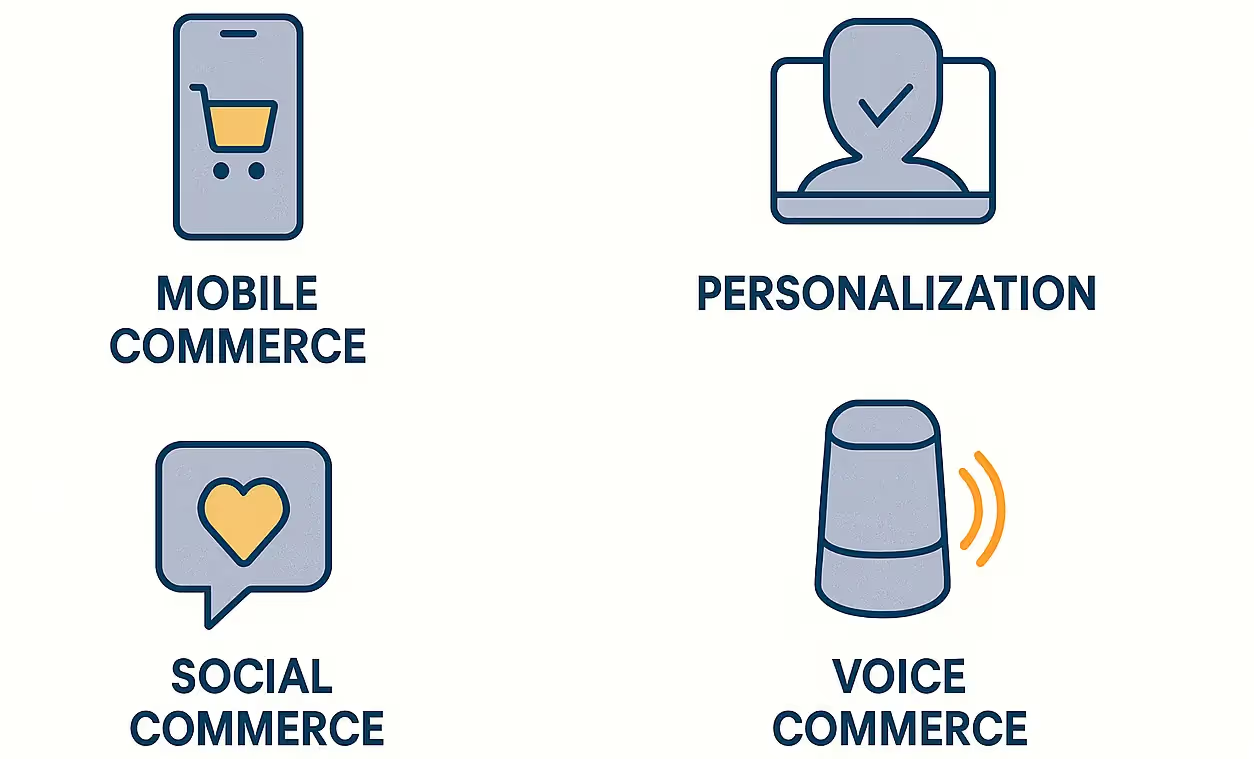
Social commerce is the direct buying and selling of products or services within a social media platform. It removes the traditional friction of online shopping by keeping the entire process: from discovery and consideration to payment and confirmation—inside the app you’re already using. Unlike simply posting a link that sends users to an external website, true social commerce features native tools like product tags, in-app checkout, and integrated catalogs.
This model turns social platforms into dynamic digital marketplaces. It capitalizes on the community and content already present, allowing a product demo in a video or a recommendation from a creator to translate immediately into a sale. The social commerce market is growing because it aligns with how people use their phones today: for connection, entertainment, and now, seamless purchasing. It represents a key part of the future of social commerce, where the line between social networking and commerce continues to blur.
How Does Social Commerce Work?
The mechanics are designed for simplicity and speed, turning passive scrolling into active shopping.
The Discovery Engine
It starts with content. A user watches a TikTok video demonstrating a clever kitchen gadget, sees an Instagram Reel of a comfortable outfit, or scrolls through Pinterest boards for home decor ideas. This content is often organic, created by brands or, more powerfully, by everyday users and creators. Algorithms learn user preferences and serve relevant, shoppable content directly into their feeds. This discovery phase is passive for the shopper but highly targeted by the platform, moving product discovery from search engines to social feeds.
The Frictionless Path to Purchase
Once interest is sparked, the process accelerates. Instead of a website link, the user sees a tagged product or a “Shop Now” button. Tapping it reveals product details, variations, and reviews without leaving the app. The final step is a native checkout, where payment information is stored securely within the platform. This creates a frictionless checkout experience, often completing a purchase in under a minute. This seamless integration is what defines modern social commerce examples and drives its high conversion rates.
Types of Social Commerce
Social selling isn't one-size-fits-all. It manifests in several key formats:
- Social-First Marketplaces: Platforms like TikTok Shop and Facebook Marketplace are built within social ecosystems. They host seller catalogs and handle transactions directly on the platform.
- Shoppable Content & Ads: This involves tagging products in organic posts, Stories, Reels, or paid advertisements. Instagram Shopping and Pinterest Product Pins are prime Instagram social commerce examples.
- Live Commerce: This interactive format blends shopping with entertainment. A host or creator showcases products in real-time via live video, answers questions, and offers exclusive deals, with viewers purchasing instantly in the chat or via on-screen links.
- Conversational Commerce: Shopping happens through direct messaging. Customers might ask questions via Instagram DMs or WhatsApp, and complete the transaction in the same chat thread, sometimes aided by chatbots.
Most Popular Social Commerce Examples
Several platforms are leading the charge, each with a unique approach:
- TikTok Shop: The fastest-growing player, it fully integrates shopping into its addictive short-form video feed. Creators can tag products in their videos, and users can buy in seconds. TikTok social commerce thrives on viral trends and authentic creator recommendations.
- Instagram Checkout: A pioneer in the West, Instagram allows businesses to upload a catalog and tag products in posts, Stories, Reels, and even its Live videos. Its visual-centric platform makes it ideal for fashion, beauty, and lifestyle brands.
- Facebook Shops: Leveraging its massive user base, Facebook enables businesses to create customizable digital storefronts accessible via their Page or ads. It’s a cornerstone for social commerce in the US and Canada.
- Pinterest: Users actively search for ideas, making it a platform for purchase intent. Product Pins allow direct shopping, and features like “Try On” for home decor use AR, bridging the gap between inspiration and action.
Benefits of Social Commerce Platforms
Adopting social commerce offers clear advantages for businesses of all sizes. It shortens the distance between seeing a product and buying it, which directly influences sales.
The many benefits of using social commerce platforms are:
- Reduced Friction: The shortened buyer journey from discovery to instant checkout significantly increases conversion rates. There are fewer steps where a customer might lose interest.
- Higher Engagement: Shopping becomes interactive. Features like live streams, Q&As, and user-generated content campaigns build community and keep your brand top-of-mind.
- Improved Targeting: Social platforms have rich data on user interests and behaviors. This allows for extremely precise advertising, showing your products to people most likely to want them.
- Authentic Marketing: Products are showcased in real-life contexts by creators and customers. This user-generated content acts as powerful social proof, often more trusted than traditional ads.
- Direct Customer Connection: Platforms provide direct messaging tools, enabling real-time customer service, feedback collection, and relationship building.
For businesses handling international sales, integrating a reliable payment system is crucial. Solutions that support multiple currencies and payment methods can simplify this process, much like exploring the best payment gateways for international transactions can streamline operations for global e-commerce.
Top Social Commerce Trends for 2026

The landscape is moving quickly. Here are the key social commerce trends shaping the future of social commerce in 2026.
1. Conversational Checkout via DMs
The checkout process is becoming a conversation. Instead of a static cart page, buying is shifting to direct messaging apps like Instagram DMs, WhatsApp, or even TikTok DMs. Customers can ask final questions, request customizations, and complete payment all within a private chat, often guided by AI or a quick human response. This trend makes buying feel personal and supported, reducing cart abandonment for considered purchases.
2. AI-Powered Hyper-Personalization
Generic feeds are over. AI is now curating not just which products you see, but how they are presented. Imagine an AI dynamically editing a product video to highlight the color you love most, or generating a custom product description based on your past comments. This AI-powered personalization means two users will see uniquely tailored versions of the same product, dramatically increasing relevance and appeal.
3. Live Commerce 2.0: Interactive Spectacles
Live shopping is evolving from simple Q&As into high-production, interactive events. Think game-show formats with real-time audience polls deciding discount levels, or multi-brand live streams with instant comparison shopping. The focus is on creating “can’t-miss” entertainment that also drives urgent, collective purchasing decisions, taking live commerce to a new level of engagement in social commerce in America and Europe.
4. Social Search as the New Google
Younger shoppers are bypassing traditional search engines. They search for products directly on TikTok or Instagram using video. The query “office outfit ideas” leads to countless try-on hauls and styling reels, each with shoppable links. For brands, this means optimizing social content for search intent is as important as website SEO, fundamentally changing how social commerce works at the discovery stage.
5. AR Try-On Becomes Standard Expectation
Augmented Reality for virtual try-ons (for makeup, glasses, furniture) is moving from a novelty to a baseline expectation. Platforms are baking these tools directly into their cameras. The barrier to returns drops when a customer can see a sofa in their living room or a lipstick on their skin through their phone. This technology is a major driver for social commerce in Europe and North America, where consumer confidence in online purchases increases with these tools.
6. Platform-Agnostic Creator Stores
Top creators are no longer tying their storefronts to a single platform. They use services that let them link a unified product catalog to their TikTok, Instagram, and YouTube shorts simultaneously. When they mention a product, it’s shoppable everywhere at once. This trend empowers creators as independent retailers and forces brands to provide tools that work across the entire social ecosystem, a key trend in social commerce trends.
7. Closed-Loop Attribution
Platforms are getting better at proving the direct sales impact of upper-funnel content. Businesses can now track how a viral, non-shoppable meme video eventually leads to purchases days later. This closed-loop data validates spending on brand-building content and helps creators get paid fairly for their indirect influence, refining the entire social commerce market.
8. Second-Hand & Rental Integration
Sustainability is hitting the social shop. Platforms are integrating dedicated spaces for verified second-hand goods and rental services from trusted sellers. A fashion haul video can now link directly to a pre-owned version of the featured jacket or a rental option for a formal dress, catering to the growing conscious consumer segment.
For entrepreneurs building businesses around these trends, models like dropshipping can provide a flexible way to test products and respond quickly to these fast-moving social currents without major inventory risk.
Worst Social Commerce Trends to Avoid
While innovation is good, some approaches can damage trust and hurt sales. It’s crucial to recognize and avoid these pitfalls.
Steer clear of these missteps:
- Inauthentic Creator Partnerships: Paying a creator with no genuine connection to your product results in forced, low-performing content. Their audience can spot a disingenuous promotion instantly, which harms both the creator’s credibility and your brand.
- Over-Automation of Interaction: Using bots to respond to every comment or DM makes a brand feel cold and robotic. The appeal of social commerce is human connection. Balance automation for efficiency with genuine human engagement for complex or emotional queries.
- Ignoring Community Management: Launching shoppable posts without monitoring comments is a risk. Unanswered questions, unresolved complaints, or spam in your comments section will deter potential buyers and signal poor customer service.
- Chasing Every New Feature Blindly: Not every new button or format suits every brand. Jumping on every trend without a strategy for how it serves your specific audience leads to wasted effort and a disjointed brand presence. Focus on platforms and features where your customers actually are.
Conclusion
The trajectory is clear: social platforms are becoming the new main street. The integration of shopping into social behavior is permanent and accelerating. Success will belong to brands that master the blend of content, community, and convenience. It’s about creating value within the scroll, fostering authentic conversations, and removing every possible barrier between inspiration and ownership. The future of social commerce isn't just about new buttons on a screen; it's about building a seamless, social-informed shopping world. Join the movement and use Spocket to dropship products today.
Start your dropshipping business today
Social Commerce Trends FAQs
What is the main difference between social commerce and e-commerce?
Traditional e-commerce typically happens on a dedicated website or marketplace like Amazon. Social commerce refers specifically to the process of discovering, evaluating, and purchasing products directly within a social media app like Instagram or TikTok, without being redirected to an external site. The shopping experience is fully integrated into the social platform.
How do I start with Instagram social commerce for my small business?
First, convert your personal profile to a Business or Creator account on Instagram. Then, use the Instagram Shopping setup to connect your Facebook product catalog. Once approved, you can start tagging products in your posts, Stories, and Reels. Begin by showcasing your products in authentic, high-quality visuals and engage actively with users who comment.
Is TikTok social commerce effective for products beyond trendy gadgets?
Yes. While viral toys and gadgets gain attention, TikTok Shop is effective for many niches. Success comes from demonstrating a product’s use or result in a creative, authentic video. This can work for kitchen tools, educational materials, craft supplies, or home organization products. The key is video content that shows value clearly.
What does a frictionless checkout mean in social commerce?
A frictionless checkout means the customer can complete their purchase within the social media app in just a few taps, without entering shipping or payment details manually each time. The platform securely stores this information. This drastically reduces the number of steps and time required to buy, lowering cart abandonment rates.
How important is the social commerce market in the USA compared to other regions?
The social commerce market in the USA is one of the largest and fastest-growing globally, though it initially lagged behind Asia. Adoption is now accelerating rapidly, driven by platform investments like TikTok Shop and Instagram Checkout. The US market is characterized by high spending power and a strong culture of influencer marketing.
What is AI-powered personalization in social commerce?
In social commerce, AI-powered personalization uses algorithms to analyze your past behavior, interests, and engagements. It then customizes your shopping feed by showing you products you’re more likely to buy, or even altering how a product is presented in a video or ad specifically for you, making the shopping experience feel individually tailored.


Launch your dropshipping business now!
Start free trial.avif)


Related blogs

Best Time to Post on Instagram Today
Discover the best time to post on Instagram today for maximum likes and engagement. Get the latest 2025 data for each day of the week, expert tips, and a complete guide to boost your Instagram performance.


11 Best Instagram Alternatives That Deserve Your Attention in 2026
Explore the best Instagram alternatives for privacy, creativity, and connection. Discover ad-free apps and platforms that fit your style and goals in 2026.


TikTok Creator Marketplace Alternatives
Explore the best TikTok Creator Marketplace alternatives and see how they compare. Discover top platforms for brand collaborations, influencer marketing, and audience growth in this guide.