How to Monetize Your Facebook Page in 2025
Learn how to monetize your Facebook page in 2025 with real strategies, tools, and tips to earn through Reels, Shops, and more. Start building income today.
.avif)

Monetizing your Facebook page in 2025 isn’t about chasing viral trends anymore. It’s about turning the audience you’ve already built into a reliable source of income. Whether you’re a creator, coach, gamer, or small business owner, Facebook now gives you more tools than ever to earn directly from your content.
If you’ve been wondering how to monetize Facebook page the right way, this guide is your roadmap. You’ll discover everything from Facebook’s latest monetization updates and eligibility rules to practical strategies that actually work. We’ll also explore how you can use Shops to sell products easily, sourcing items through platforms like Spocket for fast, quality fulfillment.
This isn’t another list of recycled tips. It’s a hands-on playbook designed to help you turn your Facebook presence into something that earns, grows, and lasts. Let’s start building your Facebook income system.
Facebook Monetization in 2025—What’s Changed and What Actually Pays
The way people make money on Facebook has completely shifted in the past year. What worked in 2022 or even 2023 might not bring the same results today. Facebook has refined its creator tools, cracked down on reused content, and made earning more transparent for pages that focus on authenticity and engagement.
This section helps you understand what these updates mean, which monetization options truly pay off, and how to build a system that lasts beyond one viral post.
The New Monetization Suite and How It Works
Facebook’s current monetization model revolves around one key principle: reward genuine, original creators. You now have several official earning options under Meta’s Content Monetization umbrella — In-Stream Ads, Ads on Reels, Performance Bonuses, Stars, and Subscriptions.
Each serves a different purpose. In-Stream Ads work best for long-form videos, while Ads on Reels reward short, engaging clips. Performance Bonuses give an extra push for creators who consistently hit engagement targets. Stars and Fan Subscriptions, on the other hand, let followers directly support you through tips or monthly plans.
The biggest shift? Facebook wants creators to build real communities, not chase clickbait. The algorithm now favors meaningful interactions, loyal followers, and original storytelling — which means if you focus on genuine engagement, you’re already one step closer to unlocking revenue.
Why Off-Platform Income Still Matters
While Facebook’s monetization tools are powerful, relying on them alone can be limiting. Payout timelines, eligibility rules, and policy shifts can affect how quickly you get paid. That’s why top creators are diversifying — combining Meta’s built-in options with off-platform revenue streams like brand deals, affiliate partnerships, and product sales.
By linking your Facebook Page to a Shop, you can start selling your own products or dropship through trusted suppliers. This creates an additional income stream that grows alongside your content. It’s also more stable since you control pricing, branding, and customer relationships.
The smartest approach in 2025? Pair at least one Facebook-native monetization tool with an external revenue channel. That’s the balance that leads to sustainable growth and consistent earnings.
Eligibility Made Easy—Quick Checks, Countries, and Page vs Professional Mode
Before you start earning, you’ll need to make sure your Facebook page actually qualifies for monetization. Many creators skip this part and wonder why their payout access never appears. Understanding eligibility early saves you time, frustration, and potential policy setbacks.
This section breaks down the requirements clearly, explains how to check your status, and helps you set things up properly so you can start earning without surprises.
Page vs Professional Mode—What’s the Difference?
If you’ve been managing a Facebook Page for years, you might have noticed a new option called Professional Mode. Both allow monetization, but they serve slightly different types of creators.
Traditional Pages are better for brands, businesses, or community projects where multiple admins manage content. Professional Mode, on the other hand, is designed for individual creators who want to monetize their personal profiles without starting from scratch.
Professional Mode unlocks tools like Reels monetization, Stars, and professional analytics, all from your main profile. Pages give you advanced ad controls, team roles, and access to Shops — perfect if you’re planning to sell products or run ads alongside content.
Knowing which setup fits your goals ensures you use Facebook’s tools to their fullest potential.
The Quick Eligibility Checklist
Before you apply for monetization, check off these basics:
- You’re at least 18 years old.
- Your account follows Facebook’s Partner Monetization and Community Standards.
- Your content is original and doesn’t rely heavily on reused or copyrighted material.
- You’re located in an eligible country where Meta supports payouts.
- You’ve connected a valid payout account in Monetization Manager.
- Your Page or profile has steady engagement — not just random spikes.
You can check your eligibility directly in the Monetization Manager, which will show your approval status for each tool (Ads on Reels, In-Stream Ads, Subscriptions, and more).
Countries, Payouts, and Review Timelines
Not all monetization tools are available everywhere yet. Meta is gradually expanding access by region, so it’s important to confirm what’s active in your country. Once you meet the criteria, Facebook will review your Page or profile — this can take anywhere from a few days to a few weeks.
After approval, set up your payout preferences immediately. Many creators delay this step and lose time waiting for verification. Connecting your bank or PayPal account early ensures you start receiving payments as soon as your first earnings hit.
Common Blockers and How to Fix Them
Sometimes your page might look eligible on paper but still fails review. Common reasons include low original content ratio, copyright claims, or policy violations from older posts.
If this happens, clean up older videos or posts that reuse third-party clips without permission. Avoid misleading thumbnails or clickbait titles. Then, reapply after 30 days of consistent, original posting.
Remember — Facebook’s review system favors reliability over virality. The more authentic your content and interactions, the quicker you’ll get approved.
Compliance First—Originality, Reposts, and Staying Monetization-Safe
Once you’re eligible, your biggest priority should be keeping that status. Many creators earn for a few months, only to lose monetization access because they ignored Facebook’s updated content rules. Staying compliant isn’t complicated—it just requires awareness and consistency.
This section helps you protect your earnings by understanding how Facebook defines originality, what content can get you demonetized, and the quick checks you can use before every upload.
Why Original Content Matters More Than Ever
Facebook’s algorithm in 2025 rewards authenticity like never before. Reused or reposted content, even if it goes viral, won’t earn you a cent. Meta’s systems can now detect duplicate videos, watermarks, and stock footage within seconds.
That means no more shortcuts. Every video, Reel, or post should include your voice, commentary, or unique editing style. You don’t have to reinvent the wheel—just make sure your content adds clear, original value that separates it from the source material.
A good rule of thumb: if your audience could find the exact same clip elsewhere, it’s probably not monetizable. Add context, storytelling, or transformation to make it yours.
The 10-Minute Pre-Publish Check
Before you hit publish, take ten minutes to run through a quick checklist:
- Does this video use original visuals or narration?
- Am I avoiding copyrighted music or unlicensed clips?
- Have I included my voice, commentary, or branding?
- Is the thumbnail accurate—not clickbait or misleading?
- Have I tagged any sponsored partners correctly?
- Does it align with Facebook’s Community Standards?
This short routine saves creators from the headaches of demonetization. Think of it as insurance for your future payouts.
Branded Content and Partnerships Done Right
When you start working with brands or affiliates, transparency becomes crucial. Facebook’s Branded Content tool and the Brand Collabs Manager are there to keep collaborations safe and policy-compliant.
Always tag your brand partners within posts and avoid using the #ad tag alone—it’s not enough anymore. By using Facebook’s built-in partnership tools, you not only stay within policy but also signal authenticity to both your audience and the algorithm.
Disclosures don’t kill your reach; misleading content does. Honest partnerships perform better in the long run because followers trust what you recommend.
What Happens if You Violate the Rules
If your monetization access suddenly disappears, don’t panic. Facebook usually provides a reason—copyright claims, low originality, or repetitive policy strikes. Review the notification, fix the issue, and start rebuilding your content library with compliant material.
Reapply after a consistent 30-day streak of authentic, rule-abiding uploads. Many creators have regained access by showing reliability over time. The key is not to argue with the system but to prove you can adapt.
In short, compliance isn’t about restriction—it’s about longevity. The more authentic your presence, the steadier your income will become.
Set Up Your First Revenue Stream—Facebook Shops + Product Sourcing (Quick Win)
While you wait for monetization approval or build enough followers for ads, there’s one revenue stream you can activate almost immediately—selling products directly through Facebook Shops. This is one of the fastest ways to start earning because it doesn’t depend on views or engagement algorithms.
This section walks you through how to set up your Shop and source quality products, even if you don’t have inventory or experience in e-commerce.
Why Facebook Shops Are a Game Changer
Facebook Shops let you turn your page into a storefront that lives right inside the platform. Your followers can browse, save, and buy products without leaving the app, which means fewer drop-offs and faster sales.
It’s especially powerful when paired with your existing content. For example, if you post tutorials, reviews, or lifestyle clips, you can tag related products directly in your Reels or photos. Every piece of content becomes a sales opportunity without feeling pushy.
And here’s the best part—your Shop connects to Meta’s ad system. You can promote your top products with precision targeting and retarget viewers who already engaged with your posts.
Product Sourcing Without Inventory
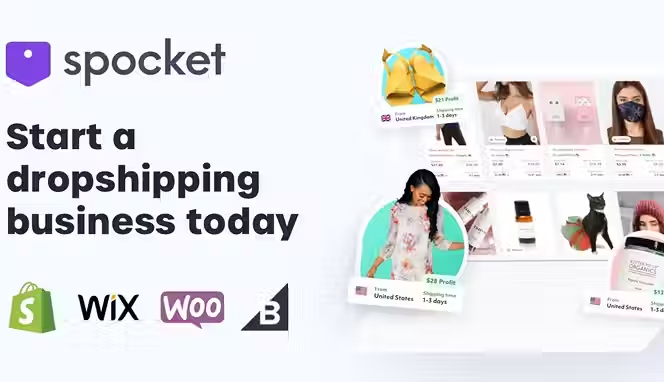
You don’t need a warehouse or your own brand to get started. Tools like Spocket allow you to source products from trusted US and EU suppliers with just a few clicks. This means you can launch your Shop, pick products that match your niche, and start selling—all without handling inventory or shipping.
Spocket also gives you access to real product photos, descriptions, and fulfillment tracking. That helps you maintain a professional look while keeping operations simple.
If you’re building an audience around fitness, home décor, or lifestyle content, you can find products that align with your theme and tag them naturally in your posts. The combination of authentic content and easy fulfillment turns your page into a seamless sales funnel.
Offers That Convert on Facebook
Success with Shops isn’t just about listing items—it’s about presentation. Bundle complementary products together, create limited-time offers, and feature them in engaging posts or Lives. Use captions that focus on benefits, not features, and invite your audience to experience the product rather than just buy it.
Here’s a quick formula:
- Choose three to five best-selling products in your niche.
- Create short Reels or Lives demonstrating how they fit into daily life.
- Tag the products in your content and share stories about how they help.
When you combine storytelling with accessibility, your followers are more likely to click and convert.
Selling through Facebook Shops with tools like Spocket doesn’t just create income—it reinforces your credibility as a creator or business. It shows your audience that you’re not just building views, but building something real.
In-Stream Ads & Ads on Reels—Formats, RPM Math, and Retention Moves
Once your Facebook monetization tools are unlocked, In-Stream Ads and Ads on Reels become your first big opportunity to earn from your content views. These features reward creators based on watch time, engagement, and audience retention—so understanding how they work can help you turn creativity into consistent income.
This section breaks down what these ad formats are, how payouts really work, and the storytelling techniques that keep viewers watching long enough to maximize revenue.
Understanding How the Ad Models Work
In-Stream Ads appear during long-form videos that are at least one minute long, while Ads on Reels are integrated directly into short-form clips. Both pay you a share of ad revenue based on RPM, or Revenue Per Mille, which means how much you earn per 1,000 ad impressions.
Your RPM can vary widely depending on your niche, viewer location, and video performance. For example, creators in business or education niches often see higher RPMs than those in entertainment because advertisers pay more for targeted audiences.
Think of it like this: if your Reels consistently hold attention for more than five seconds and spark engagement in the comments, the algorithm will push them harder—giving you both more reach and better ad placements.
The 3-Hook Rule for Reels
The first three seconds of your Reel determine whether viewers stay or scroll. To increase your chances of retention, use what’s known as the “3-Hook Rule”:
- Start with a visual or question that surprises or challenges assumptions.
- Keep the pacing quick—no long intros.
- End with a satisfying reveal or takeaway that encourages rewatches.
Example: Instead of saying, “Here are five ways to grow on Facebook,” try, “You’ve been using Facebook wrong—here’s how creators are actually getting paid.” That subtle shift creates curiosity and keeps users watching.
Long-Form Cadence That Feeds Ad Revenue
If you’re focusing on longer videos, consistency matters more than perfection. Aim for two to three uploads a week, each at least one minute long, and keep average watch time above 30 seconds.
Structure your videos like a mini story—hook, value, payoff. Add timestamps or on-screen cues to help viewers follow along. Facebook’s algorithm tracks engagement peaks, so when viewers stay until the end, your next video automatically gets more visibility.
You can also repurpose your top Reels into compilations or expanded tutorials for long-form videos. This keeps your workflow efficient while feeding both ad formats.
Tracking RPM and Improving Over Time
Don’t stress if your initial earnings seem small. RPMs fluctuate as your page builds more data. Focus on improving two key metrics: retention rate and click-through rate (CTR). The longer people watch and interact, the higher your ad density—and the more Facebook rewards your content.
Review your Monetization Manager weekly to identify your top-performing videos and note what made them work. Then, replicate that format and pacing in future posts. Over time, your consistency compounds into predictable income.
Bottom Line—Pick One Native Tool + One Commerce Play, Then Stack
Monetizing your Facebook page in 2025 isn’t about doing everything at once. It’s about starting small, mastering one income stream, and stacking smartly as you grow. The most successful creators today mix one Facebook-native tool—like Ads on Reels or Stars—with a reliable commerce channel, such as Facebook Shops.
If you’re selling products, use tools like Spocket to make sourcing and fulfillment seamless. If you’re focusing on Reels, build your storytelling muscle first, then layer in subscriptions or brand deals once you’ve earned trust. Consistency always beats complexity.
Your Facebook page can be more than just a social profile—it can become a true business hub. Focus on authenticity, stay compliant, and make every post a conversation that leads somewhere meaningful. When you build with intention, the income follows naturally.
Start your dropshipping business today
FAQs About How to Monetize Your Facebook Page
How many followers do you need to monetize a Facebook Page?
It depends on the tool. Some features historically required higher thresholds (like In-Stream Ads), while others like Stars or branded content can open earlier. The most reliable way is to check your status per feature inside Monetization Manager.
How much does Facebook pay for 1,000 views?
There’s no fixed rate. RPM (revenue per 1,000 impressions) varies by niche, audience location, watch time, and content performance. Expect fluctuations and track RPM trends in your dashboard instead of relying on a single number.
Can you monetize Facebook Reels without a Page?
Yes. Professional Mode lets individual creators monetize from a profile, while Pages suit brands and teams. The best fit depends on whether you operate as a person or a business and which tools you need.
How do I check if my Page is eligible for monetization?
Open Meta Business Suite → Monetization → Overview to see eligibility and any issues to fix. You can also view eligibility for specific products like Subscriptions from the same panel.
Are all countries eligible for Facebook monetization?
Availability differs by feature and region, and Meta updates it periodically. Always verify eligibility for your country and chosen tools inside Monetization Manager or the relevant Help Center pages.


Launch your dropshipping business now!
Start free trial


Related blogs
The Role of Social Proof in Conversion Rate Optimization (CRO)
Understand how social proof builds trust, influences decisions, and improves conversion rates with actionable CRO strategies for ecommerce.


The Future of Social Commerce: TikTok Shop, Instagram Checkout, and Beyond
What is the future of social commerce? Social commerce trends are changing how people shop online. Get the latest insights.


Best Time to Post on Instagram Today
Discover the best time to post on Instagram today for maximum likes and engagement. Get the latest 2025 data for each day of the week, expert tips, and a complete guide to boost your Instagram performance.