Seasonal Product Calendar: What to Sell and When
Discover the best seasonal product calendar with monthly trends, top products, and tips to sell smarter and grow your dropshipping business year round.

.avif)

Timing is everything in ecommerce—and that’s exactly where a seasonal product calendar gives you a competitive edge. Instead of guessing what might sell, you can align your product strategy with real buying behavior throughout the year. From holiday spikes to weather-driven trends, every month presents unique opportunities to capture demand and increase conversions.
Whether you're running a dropshipping store or scaling an online brand, knowing what to sell and when can significantly boost your revenue. This guide breaks down a complete seasonal product calendar, highlights high-performing seasonal dropshipping products, and shows you how to plan smarter for consistent sales. If you want predictable growth instead of random wins, mastering seasonality is the key.
What is a Seasonal Product Calendar and Why It Matters
In ecommerce, timing often matters as much as the product itself. A seasonal product calendar is a simple plan that maps out what to sell and when based on holidays, weather shifts, events, and shopping behavior. Instead of reacting late, you prepare early and sell into demand when buyers are already looking.
A well-built seasonal product calendar helps you:
- launch products before demand peaks
- improve click-through rates by matching current buyer interest
- raise conversions with timely offers
- protect margins by avoiding last-minute discounting
- plan better campaigns for seasonal dropshipping products
This matters because consumer intent changes throughout the year. In winter, shoppers look for gifts, cold-weather items, and holiday bundles. In summer, they shift toward travel, outdoor, fitness, and seasonal lifestyle products. That change in intent affects what people search, click, and buy. Google Trends is widely used to track these search-interest shifts over time, which is why seasonality planning is so useful for ecommerce sellers.
There is also a direct revenue angle. The U.S. Census Bureau reported that retail ecommerce sales reached $316.1 billion in Q4 2025, and ecommerce accounted for 16.6% of total retail sales in that quarter. That makes peak-season timing too important to ignore.
For dropshipping stores, this becomes even more important because timing affects:
- ad efficiency
- inventory planning
- supplier coordination
- shipping expectations
- overall store scaling
If you know demand is coming, you can build campaigns, test creatives, and source products before the market gets crowded.
How Seasonal Trends Drive Ecommerce Sales
Seasonal trends drive ecommerce sales because people do not shop the same way all year. Buying decisions are often triggered by a mix of emotion, urgency, weather, celebrations, and cultural moments.
Some of the biggest seasonal triggers include:
- holidays like Christmas, Valentine’s Day, and Halloween
- weather changes such as summer heat or winter cold
- life events like back-to-school season
- sale periods such as Black Friday and Cyber Monday
These triggers create demand spikes, which are different from evergreen demand. Evergreen products sell steadily all year, while seasonal products surge during specific windows. For example, insulated drinkware, blankets, gifting items, and holiday decor typically perform better in colder months, while swimwear, beach accessories, and travel essentials tend to rise in warmer months. That is why the best stores balance evergreen items with seasonal dropshipping products.
The financial impact is real. NRF forecast 2025 holiday sales in November and December to exceed $1 trillion for the first time, growing 3.7% to 4.2% over 2024. NRF also reported that consumers planned to spend an average of $890.49 on gifts, food, decorations, and other seasonal items.
To predict seasonal demand more accurately, use data from:
- Google Trends to spot rising search interest
- marketplace best-seller lists to validate product demand
- your own store analytics to compare month-by-month performance
- holiday retail reports to prepare for peak shopping windows
The goal is simple: do not wait for demand to appear in your sales dashboard. Use trend data early, so your store is ready before buyers start searching.
Seasonal Product Calendar Month-by-Month Guide
A seasonal product calendar helps ecommerce and dropshipping sellers plan ahead instead of chasing trends too late. Buyer demand changes throughout the year based on holidays, weather, events, and shopping habits. When you know what customers are likely to buy each month, you can prepare products, marketing, and promotions in advance. This makes it easier to improve conversions, reduce wasted ad spend, and sell the right seasonal dropshipping products at the right time.
1. January – Fitness, Self-Improvement, and Organization
January is driven by New Year’s resolutions. People want to improve their health, routines, and productivity, which makes this a strong month for self-improvement products.
What sells:
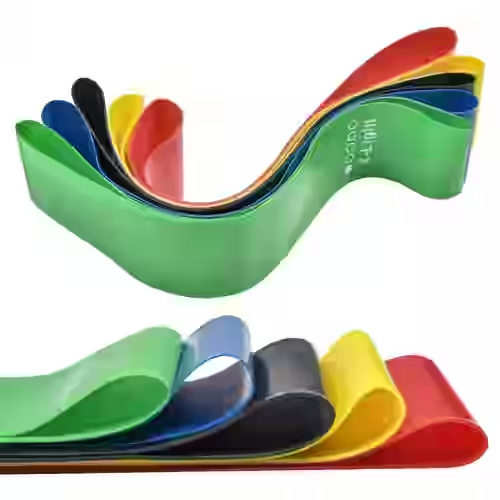
- Fitness gear like resistance bands, yoga mats, and dumbbells
- Planners, journals, and desk organizers
- Wellness products such as self-care kits and supplements
Why it works:
Shoppers are highly motivated to start fresh in January, so products linked to goals, habits, and better living usually perform well.
2. February – Valentine’s and Giftable Products
February is all about emotion-led buying. Customers look for thoughtful, romantic, and personalized gifts in the lead-up to Valentine’s Day.
What sells:
- Jewelry and couple gifts
- Personalized products like mugs, frames, and keepsakes
- Beauty bundles and gift sets
Why it works:
Gift urgency increases during this month, and people are more likely to make quick purchases when products feel meaningful or personal.
3. March – Spring Prep and Outdoor Essentials
March marks the transition into spring in many markets. Shoppers start looking for products that feel fresh, useful, and outdoorsy.
What sells:
- Gardening tools and starter kits
- Light fashion such as jackets and athleisure
- Home refresh and cleaning products
Why it works:
Customers shift away from winter shopping and begin spending on seasonal refresh products for their home, wardrobe, and lifestyle.
4. April – Travel and Easter Products
April often brings Easter promotions, family shopping, and early travel preparation. It is a good month to target both holiday and practical lifestyle products.
What sells:
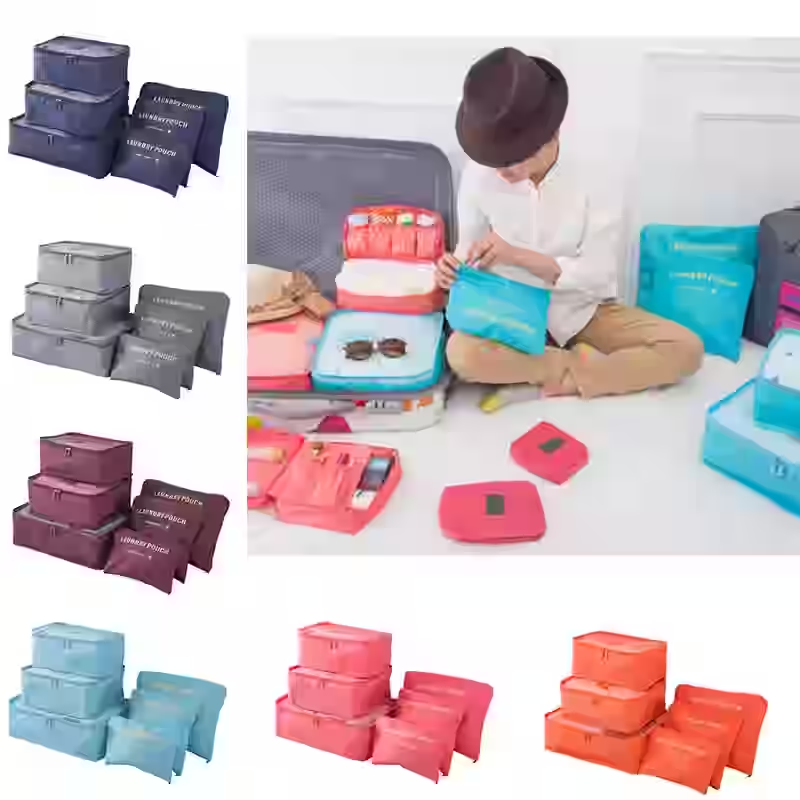
- Travel organizers, luggage accessories, and portable items
- Outdoor gear
- Easter-themed gifts and decor
Why it works:
Consumers begin planning trips and seasonal outings, while families also shop for holiday-related items and celebrations.
5. May – Mother’s Day and Summer Prep
May combines gift buying with early summer shopping. It is a strong month for products that feel personal, useful, or lifestyle-driven.
What sells:
- Beauty and skincare products
- Personalized gifts for Mother’s Day
- Sunglasses, beachwear, and warm-weather items
Why it works:
Mother’s Day drives a major gifting moment, and many buyers also begin shopping early for summer essentials.
6. June – Fitness, Travel, and Outdoor Lifestyle
June is shaped by travel plans, outdoor activities, and active lifestyles. Buyers are often in vacation mode and ready to spend on convenience and experience-based products.
What sells:
- Sports gear and camping products
- Travel kits and accessories
- Outdoor lifestyle products
Why it works:
As vacation season begins, demand rises for products that support travel, movement, outdoor fun, and seasonal activities.
7. July – Summer Trends and Mid-Year Sales
July is a mix of peak summer demand and mid-year promotions. Shoppers respond well to products linked to vacations, events, and seasonal enjoyment.
What sells:
- Swimwear and beach gear
- Portable gadgets like mini fans and speakers
- Festival and party items
Why it works:
This month benefits from impulse buying, summer events, and promotional campaigns that encourage customers to buy while items are trending.
8. August – Back-to-School Essentials
August is one of the clearest retail cycles of the year. Families, students, and even professionals look for products tied to organization, study, and routine-building.
What sells:
- Stationery and backpacks
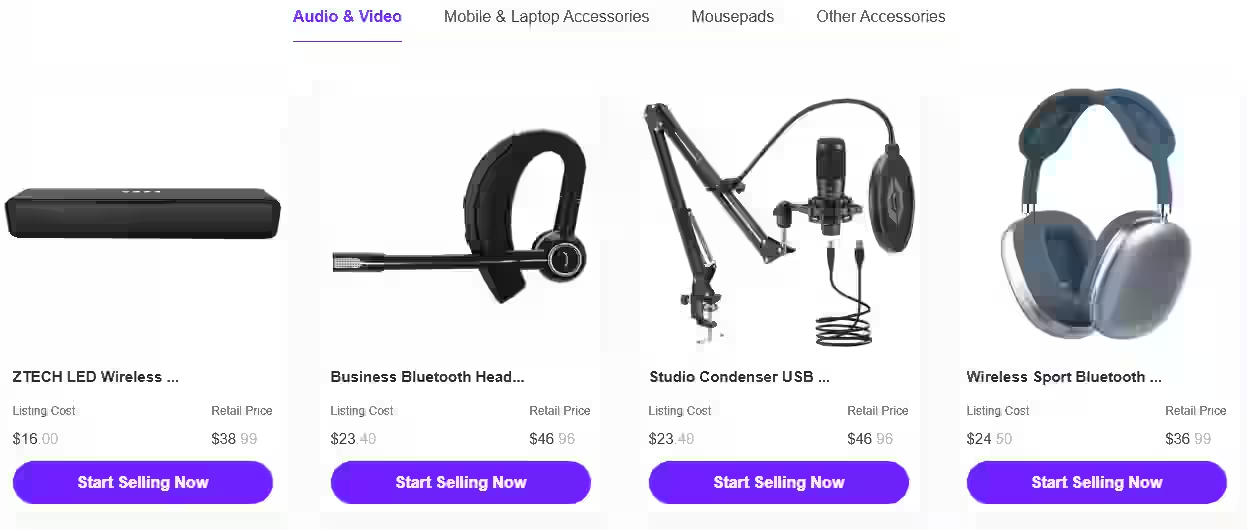
- Tech accessories like headphones and tablet stands
- Storage and organization tools
Why it works:
Back-to-school shopping creates focused, high-intent demand, especially for practical products bought in bundles or sets.
9. September – Fall Preparation Products
September starts the shift into fall and early Q4 planning. Buyers begin looking for comfort-focused products and seasonal home updates.
What sells:
- Cozy home decor
- Transitional fashion and light winter wear
- Comfort and lifestyle products
Why it works:
As weather starts to cool, shoppers prepare for the next season early, making this a good time to introduce fall-related products.
10. October – Halloween and Seasonal Decor
October is a fast-moving month fueled by events, parties, and themed purchases. Seasonal buying becomes more visual and impulse-driven.
What sells:
- Costumes and costume accessories
- Halloween decor and party supplies
- Themed novelty products
Why it works:
There is a short selling window, which creates urgency. Customers buy quickly when products are timely, fun, and event-specific.
11. November – Black Friday and Cyber Monday Winners
November is one of the biggest ecommerce months of the year. Buyers are actively comparing deals and looking for discounted, high-value products.
What sells:
- Electronics and gadgets
- Trending products across multiple categories
- Bundles, gift sets, and promotional offers
Why it works:
Heavy discount culture and increased traffic make this a strong month for conversions, especially when products are competitively priced and well-positioned.
12. December – Christmas and Holiday Bestsellers
December is the peak season for many ecommerce stores. Gifting, celebrations, and last-minute shopping all drive strong sales.
What sells:
- Gifts, toys, and festive decor
- Winter items like blankets and seasonal clothing
- Gift bundles and stocking fillers
Why it works:
This month combines emotional buying, urgency, and high consumer spending, making it one of the most profitable periods in any seasonal product calendar.
Seasonal Product Calendar Table
Here is a table presenting seasonal products that you can sell in different seasons.
Best Seasonal Dropshipping Products to Sell Year-Round
Not all products are seasonal—but smart sellers rotate seasonal dropshipping products across niches to maintain consistent revenue.
Fashion
- Summer: swimwear, sunglasses
- Winter: hoodies, jackets
- All-year: athleisure
Home Decor
- Festive decor (Christmas, Halloween)
- Minimalist decor (year-round demand)
- Seasonal aesthetic items
Tech Gadgets
- Portable fans (summer)
- Smart home devices (year-round)
- Trending accessories (chargers, earbuds)
Fitness
- Home workout gear (January peak)
- Outdoor fitness tools (summer)
- Wellness products (year-round)
Why these products perform consistently:
- They align with predictable demand cycles
- Easy to market with seasonal creatives
- High repeat purchase potential
Working with reliable suppliers becomes crucial here. Platforms like Spocket help source fast-shipping products from US/EU suppliers, which is especially important during peak seasons when delivery speed directly impacts conversions.
How to Plan Your Inventory Using a Seasonal Product Calendar
A strong seasonal product calendar is not just about what to sell—it’s about planning ahead to maximize profit and avoid losses.
Forecast Demand Smartly
- Use past sales data to identify patterns
- Track seasonal spikes using Google Trends
- Analyze competitor launches
Avoid Overstock and Understock
- Start with small test batches
- Scale only after validating demand
- Use supplier flexibility (dropshipping advantage)
Time Your Product Launches Right
- Launch 4–8 weeks before peak demand
- Run early ads to gather data
- Build momentum before competitors enter
Use Data to Improve Every Cycle
- Compare month-on-month performance
- Identify top-performing categories
- Double down on proven seasonal winners
Pro tip: Treat your calendar as a living system. The more data you collect each year, the more accurate your future predictions become—leading to higher profits and less risk.
Tools to Find Seasonal Product Trends
The best seasonal sellers do not guess. They use data to spot demand before it peaks. If you want your seasonal product calendar to drive real sales, these are the tools worth checking first. Google Trends lets you compare search interest over time by topic, region, and season, which makes it useful for validating whether a product is rising, stable, or fading.
Use this simple stack:
- Google Trends for search seasonality and year-over-year demand checks. It is great for validating ideas like “portable fan,” “planner,” or “Halloween decor.”
- TikTok Creative Center to find trending hashtags, viral videos, and fast-moving consumer interests by region and category. This is especially useful for short-lifecycle seasonal dropshipping products.
- Amazon Best Sellers to see what is already selling across categories. This helps confirm buying intent, not just browsing interest.
- Pinterest Trends / Pinterest Predicts to uncover emerging trends using Pinterest search data and predictive analytics. This is useful for home, fashion, gifting, beauty, and lifestyle niches.
- Competitor analysis to see how other stores position products, time promotions, and bundle seasonal offers. This gives you pricing and campaign clues your trend tools will not show directly.
A practical approach is to first validate demand in Google Trends, then check TikTok and Pinterest for creative momentum, and finally confirm buyer intent on Amazon. That gives you a stronger, data-backed view before you commit budget or ad spend.
How to Build Your Own Seasonal Product Calendar
A strong seasonal product calendar should be simple enough to use every month and flexible enough to improve every year. The goal is to build a repeatable system, not a one-time spreadsheet.
Step 1: Identify your niche
Start with a niche that has clear seasonal demand patterns. Fashion, home decor, beauty, fitness, pets, travel, and gifting tend to work well because buyer intent changes throughout the year.
Step 2: Map yearly events
List the commercial moments that affect your store:
- New Year
- Valentine’s Day
- Easter
- Mother’s Day
- Back-to-school
- Halloween
- Black Friday / Cyber Monday
- Christmas and year-end gifting
Also include weather-based shifts like summer travel, winter comfort, and spring refresh buying.
Step 3: Track trends early
Check search and marketplace data 4 to 8 weeks before the expected demand spike. This gives you time to test products, creatives, and messaging before the category becomes crowded.
Step 4: Plan campaigns in advance
For each season, decide:
- which product to push
- when to launch
- what offer to run
- what angle to use in ads and content
This is where your calendar becomes a revenue tool, not just an idea board.
Step 5: Turn it into a repeatable system
After each season, review what worked:
- best-selling products
- best-performing creatives
- conversion spikes
- return rates
- shipping issues
Over time, your calendar becomes more accurate and more profitable.
Common Mistakes to Avoid When Selling Seasonal Products
Selling seasonal items can be very profitable, but timing mistakes can quickly eat into your margins.
Here are the biggest ones:
- Launching too late
If you start selling after demand peaks, traffic is more expensive and conversions are lower. - Ignoring shipping timelines
Seasonal buyers are often deadline-driven. Late delivery can hurt reviews, refunds, and repeat sales. - Poor inventory planning
Overstock ties up cash. Understock kills momentum when demand is highest. - Following trends too late
By the time a product is everywhere, competition is usually higher and profits are lower.
The fix is simple: plan earlier than feels necessary. In seasonal ecommerce, early usually wins.
Pro Tips to Maximize Sales with Seasonal Products
A few smart moves can make your seasonal product calendar perform much better without making your strategy complicated.
- Start promotions early
Begin warming up demand before the peak week. This gives your ads and content time to build traction. - Bundle related products
Bundles can increase average order value and make seasonal offers feel more useful. - Use urgency carefully
Limited-time offers, shipping cutoffs, and countdown messaging can improve conversions when they are real. - Leverage influencer marketing
Seasonal products often perform well with creators because they fit events, gifting moments, and trends naturally. - Optimize product pages
Your landing page should match seasonal intent with better titles, benefits, FAQs, and visuals. Tools like Smartli can help speed up product description optimization while keeping pages clearer and more conversion-focused.
For dropshipping stores, supplier speed matters just as much as marketing. That is where Spocket helps you, especially when you need reliable suppliers and faster shipping options during high-demand periods.
Conclusion
A well-planned seasonal product calendar helps you stop chasing random wins and start building predictable sales cycles. When you know what to sell and when to launch it, your marketing gets sharper, your inventory gets smarter, and your profit margins become easier to protect.
The key is to treat seasonality as a system. Track trends early, test consistently, and refine your calendar after every campaign. Over time, that small habit can turn seasonal demand into steady ecommerce growth.
Start your dropshipping business today
Seasonal Product Calendar FAQs
What is a seasonal product calendar?
A seasonal product calendar is a strategic yearly plan that helps ecommerce sellers identify what products to sell during specific seasons, holidays, and trends. It aligns inventory and marketing with customer demand to improve timing, conversions, and overall sales performance.
Why is a seasonal product calendar important for dropshipping?
A seasonal product calendar helps dropshipping businesses predict demand, reduce unsold inventory, and launch products at the right time. This improves ad performance, increases conversions, and maximizes profits by targeting customers when they are ready to buy.
What are the best seasonal dropshipping products to sell?
Top seasonal dropshipping products include holiday gifts, summer fashion, fitness gear, home decor, and back-to-school items. These products perform well because they match seasonal demand, consumer trends, and buying behavior throughout the year.
How do I find trending seasonal products?
To find trending products, use tools like Google Trends, TikTok Creative Center, Amazon Best Sellers, and competitor analysis. These platforms help identify rising demand, viral products, and high-converting seasonal dropshipping products before the market gets saturated.
When should I start selling seasonal products?
You should start selling seasonal products at least 4–8 weeks before peak demand. This allows time for testing ads, optimizing listings, and ensuring smooth shipping, helping you capture early buyers and scale before competition increases.
Can I sell seasonal products all year round?
Yes, you can sell seasonal dropshipping products year-round by rotating inventory based on seasons and holidays. This strategy ensures consistent revenue, keeps your store relevant, and helps you tap into different demand cycles throughout the year.
How do I create a seasonal product calendar for my store?
To create a seasonal product calendar, choose your niche, map key holidays and events, analyze product trends, and plan launches in advance. Continuously refine your strategy using sales data to improve timing and maximize profitability.


Launch your dropshipping business now!
Start free trial


Related blogs

Dropshipping Supplier Directory: Where to Find Vetted Suppliers
Browse our directory of vetted dropshipping suppliers across the US and EU, complete with niches, shipping speed, and pricing. Start your free trial today.


How to Negotiate With Dropshipping Suppliers: 9 Tactics That Actually Work
Learn how to negotiate with dropshipping suppliers on price, MOQs, and payment terms. Proven tactics and email scripts to boost your margins. Try Spocket free.

Best Clothing Dropshipping Suppliers: The 2026 Guide
Compare the best clothing dropshipping suppliers for 2026 — US/EU shipping speeds, pricing, and product quality — and find the right fit to launch your store.