


How to Target US Buyers as an International Dropshipper Using Spocket?
Use Spocket to ship fast to US customers while keeping good margins. Learn how to pick products, set prices, and tune your store for American shoppers.

If you’re outside the US and want American buyers, Spocket makes that jump way less painful when you set things up the right way. You still need to think like a US shopper though—how they browse, what they expect, what makes them bounce.
Let’s walk through that in a very practical way, and we’ll weave Spocket into it where it actually matters, not as a random plug. You will learn how to target US buyers as an internationship dropshipper in this post.
What US buyers care about most?
US shoppers are impatient online. They like clear pricing, fast delivery, and checkout that feels familiar. No drama.
A few of their habits to keep in mind:
- They expect to see prices in USD and hate surprise fees at checkout.
- They trust credit cards, PayPal, and wallet payments like Apple Pay.
- They read shipping and return info quickly and leave fast if it looks vague or confusing.
- They respond well to simple offers: bundle deals, small discounts, free shipping above a threshold.
If your store feels “foreign” (weird currency, long shipping windows, unclear returns), they’ll hit the back button in seconds.
Why does Spocket work well for US-focused sellers?
Now, quick reality check: shipping from overseas to US buyers has gotten harder and more expensive because of stricter rules and higher duties on certain imports. If you rely on slow cross‑border shipping, your margins and reviews get wrecked fast.
Spocket helps here because:
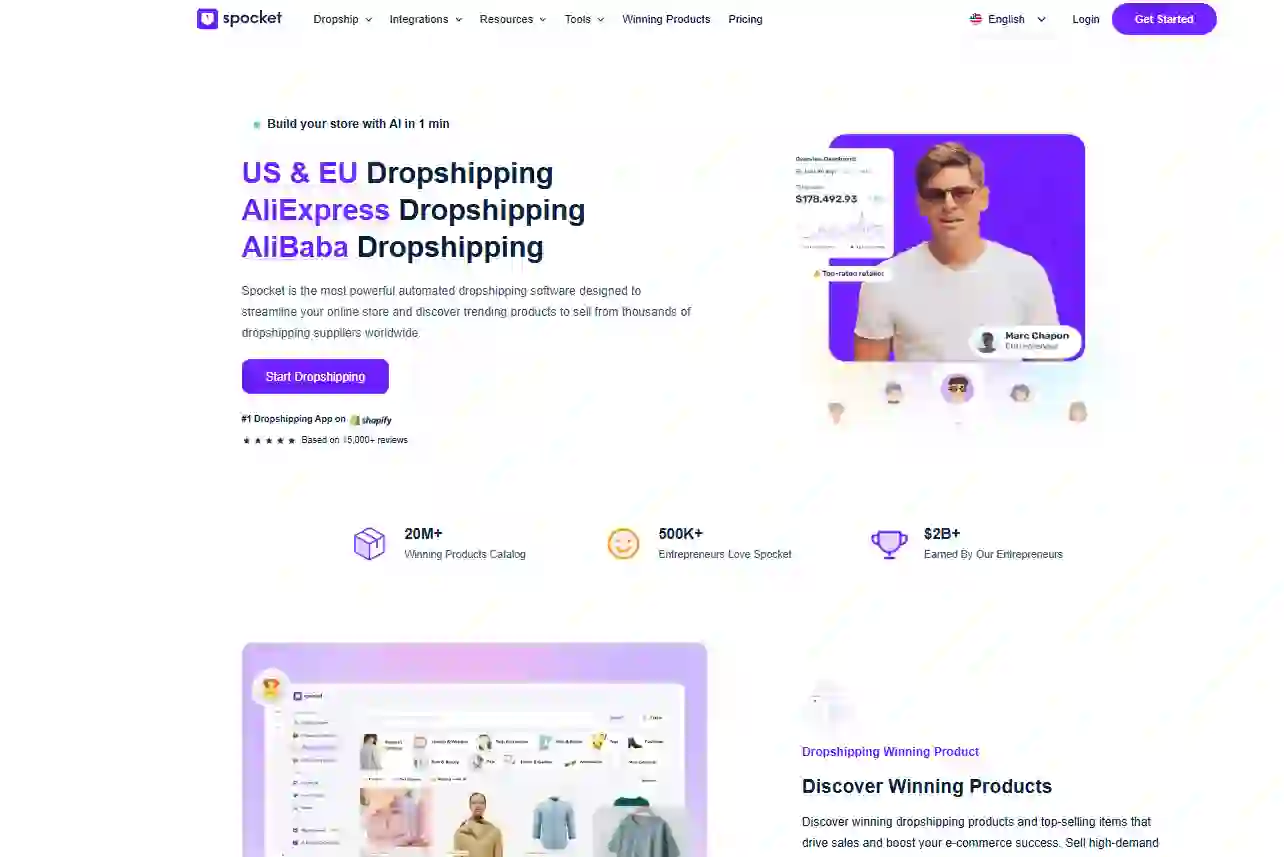
- It connects you with thousands of vetted suppliers in the US and EU, so you can ship from inside the country instead of across borders.
- Many products arrive within a few business days, which lines up better with US expectations compared with long overseas shipping.
- You see clear supplier pricing, shipping cost, and suggested retail before you import the product, which makes it easier to price with profit in mind.
- On paid plans, you can use branded invoicing so US customers see your logo on the packing slip, not some random supplier name.
- Inventory and pricing sync automatically, so you’re not manually updating stock all day.
Spocket also doesn’t add its own transaction fee on top of your orders, which keeps a bit more margin in your pocket when you start scaling. And because Spocket has no MOQs, you can test products, order samples, or place larger batches without locking yourself into huge quantities.
Set up your store for a US audience
Before you go product‑hunting, make the store itself feel American. You want your storefront to match what US buyers are used to seeing.
1. Pick store software that talks to Spocket
Spocket connects with most of the big names: Shopify, Amazon, and marketplaces like eBay, plus popular site builders and shopping carts.
For non‑Shopify sellers, Spocket also connects with:
- Wix for drag‑and‑drop site building with built‑in store features.
- WooCommerce if you like using WordPress for content and selling in the same place.
- eBay so you can import products into your eBay store and still use Spocket suppliers.
- BigCommerce if you’re building a bigger catalog and want something more robust out of the box.
Once you connect your store, Spocket’s dashboard acts like the middle layer between suppliers and your storefront, with one‑click imports and automatic sync.
2. Localize the basics for US shoppers
Some quick but important tweaks:
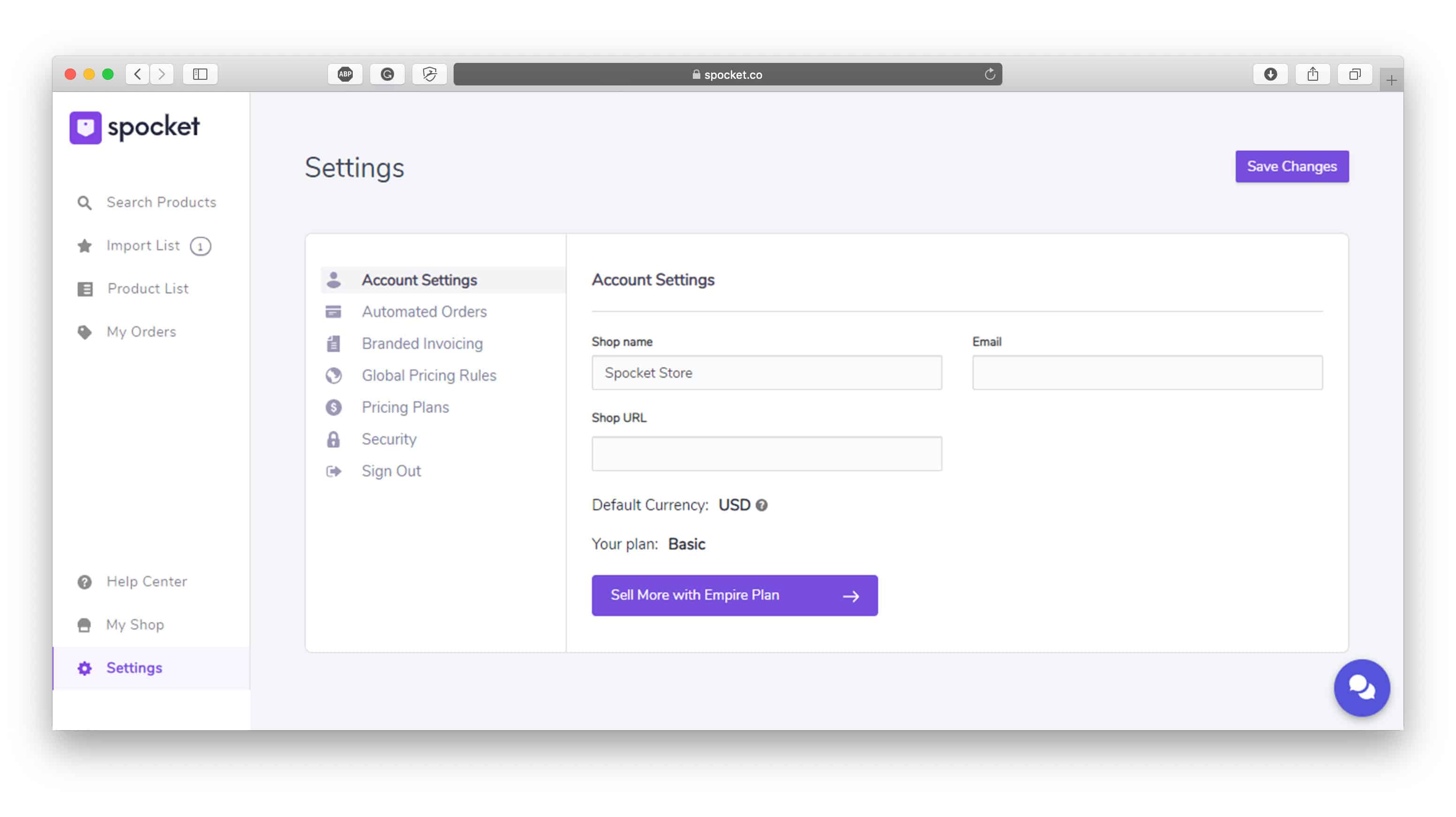
- Currency: set default display to USD and avoid showing mixed currencies anywhere.
- Language: use US spelling and slang lightly; stay clear and straightforward.
- Units: use inches, feet, and pounds instead of centimeters and kilograms wherever you show size or weight.
- Address fields: test checkout with a real US address to make sure your store handles states and ZIP codes cleanly.
- Policies: have dedicated pages for shipping and returns written in plain English so people know exactly what to expect.
This stuff feels boring, but it’s the kind of “something feels off” friction that kills conversions silently.
Use Spocket to pick products US buyers actually want
Now you’re ready to dig into products. This is where Spocket’s dashboard and filters start to matter a lot.
3. Start with US suppliers and shipping filters
Inside Spocket, you can filter products by supplier country, shipping time, category, price level, and more. When you’re focusing on the US, don’t skip this.
Practical filters to lean on:
- Supplier location: set it to US first. This cuts down shipping time and customs headaches for American buyers.
- Shipping time: pick products that arrive within around a week for most US locations, if possible.
- Discount or wholesale level: Spocket lets you sort by supplier discount, so you can spot products with enough room for ads and fees.
This alone makes a big difference. You’re not listing random products that ship from a warehouse halfway across the planet with unpredictable delivery.
4. Go after categories that US buyers love online
Spocket’s catalog covers many niches that tend to perform well with US shoppers: tech accessories, pet products, kids’ items, women’s clothing, beauty, home decor, seasonal items, and even perishable or organic goods depending on the supplier. You can also browse directly from Spocket’s trending dropshipping products when you want fresh ideas based on what’s moving well across the network.
Don’t just chase every “hot product” you see on social media. Cross‑check with what makes sense for your brand, your content, and your traffic sources. A smaller, coherent set of offers usually converts better than random noise.
5. Don’t sleep on print‑on‑demand
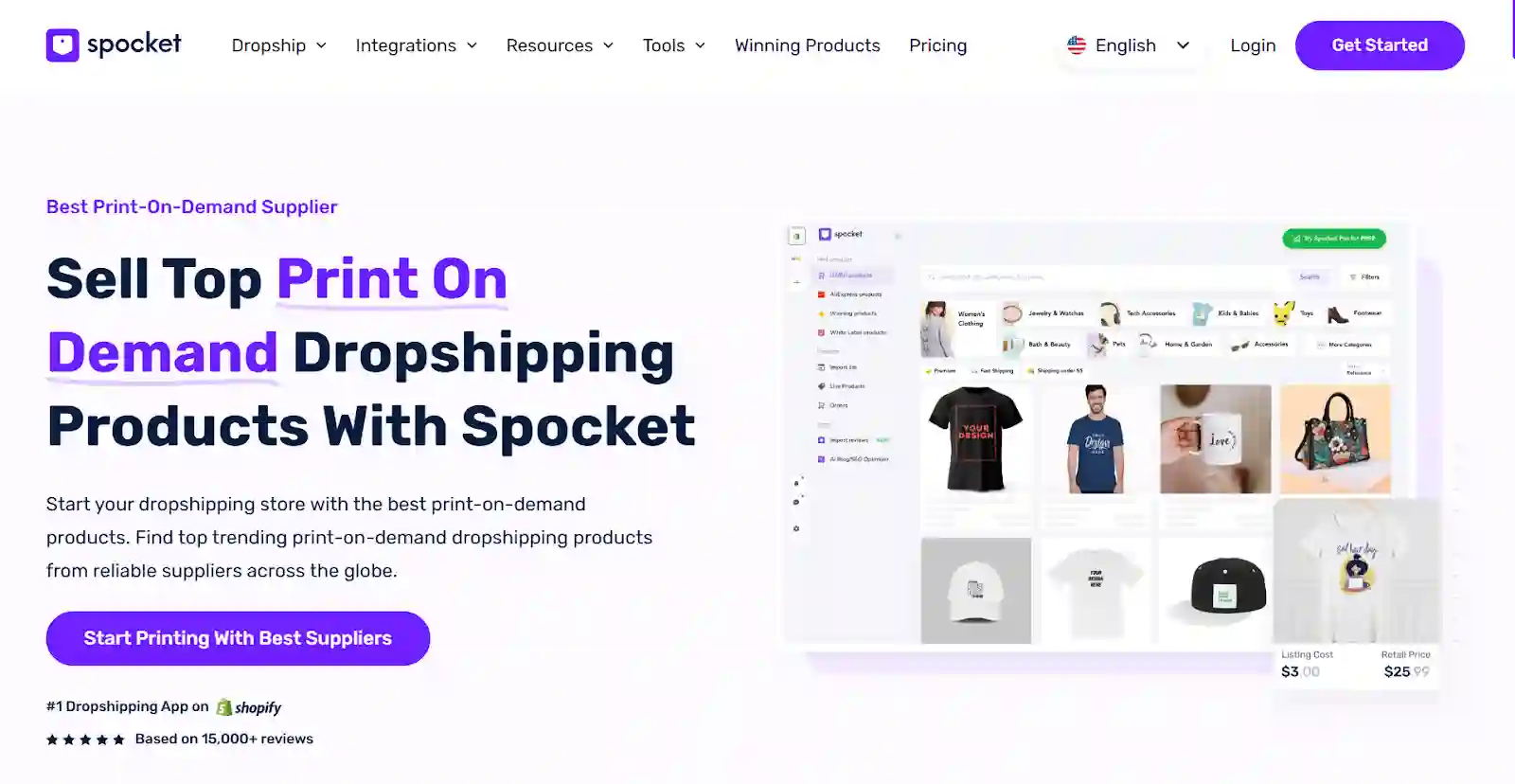
If you want more control over branding, adding a Print-on-demand angle through Spocket can work well for US buyers. You can sell T‑shirts, mugs, wall art, and a bunch of other product types that ship from local print partners while carrying your own designs.
That lets you:
- Keep shipping faster because many PoD suppliers are based in the US.
- Build brand recall with designs that match your niche instead of generic Ali‑style listings.
- Test ideas quickly without ordering a big batch of inventory upfront, thanks to Spocket’s no‑MOQ setup.
Mixing regular dropship products with PoD gives you room to upsell and bundle without needing a warehouse.
Start your dropshipping business today
Try Spocket Free!
Price for US buyers using Spocket’s margin helpers
Pricing is where a lot of international sellers mess up. Either they undercharge because they’re converting from their local currency, or they overcharge because they don’t account properly for shipping and ad spend. Spocket gives you some built‑in helpers here.
6. Use the profit margin calculator inside Spocket
When you add products to your import list, you can punch in a selling price and Spocket shows your estimated profit after product cost and shipping. You can also adjust based on destination, which matters if you’re shipping to the US but sourcing from somewhere else.
There’s also a standalone profit margin calculator on Spocket’s site if you want to run quick numbers outside the dashboard. You plug in cost, set your markup, and it shows expected profit per sale.
When you price, don’t just look at product cost:
- Product cost from the supplier.
- Shipping fee to the US.
- Average ad spend per sale if you’re running paid traffic.
- A small buffer for refunds or returns.
Spocket’s own blog suggests aiming for products where your selling price is at least two and a half to three times the supplier cost, after considering everything. That’s a decent starting point to keep margins healthy while still feeling fair to US shoppers.
Handle cross‑border shipping, taxes, and delivery times the smart way
If you’re based abroad, you have two realities to juggle: what your US buyers see at checkout, and what’s actually happening behind the scenes with customs and shipping.
7. Prefer local fulfillment when selling to the US
Logistics experts are pretty clear on this: using suppliers with local warehouses is one of the fastest ways to cut shipping times and reduce issues with customs. For example, many suppliers with US warehouses can get orders to American customers in a few days instead of weeks.
When you’re browsing inside Spocket, lean hard on:
- US‑based suppliers for your main offers.
- Clear shipping estimates shown in the product view (check how long delivery to the US actually takes).
- Products with good supplier ratings and reliable shipping history.
Because you’re not forced to commit to big quantities, you can order samples from different suppliers to check packaging, delivery time, and product quality before making them your primary offers.
8. Communicate delivery expectations clearly on your store
Even if you nail supplier choice, you still have to set buyer expectations on your storefront.
Borrow a few best practices from cross‑border shipping guides:
- Show estimated delivery windows on product pages and again at checkout.
- Mention that tracking will be provided, and make sure your suppliers actually support that.
- If you have “fast shipping” items from US warehouses and slower imports, label them differently and don’t promise the same timing.
- Keep your shipping policy clean and short—no big blocks of legal jargon US buyers won’t read.
Your mission is simple: no nasty surprises after the order. That’s how you keep refunds and angry emails under control.
Make your store feel “American enough” without faking it
You don’t need to pretend you’re physically in New York or LA. You just need the store to feel normal for a US shopper.
9. Adjust your copy to US reading style
Localization guides for US audiences all say similar things: Americans prefer direct, benefit‑oriented copy, clear promises, and less fluff. They want to know what the product does for them, how fast it arrives, and what happens if something goes wrong.
So:
- Use short sentences and short paragraphs.
- Put the main benefit near the top of the product page—what problem it fixes or how life gets easier.
- Add a quick bullets section for “What you get”, “Who it’s for”, and “Why it’s better than generic options”.
- Keep your returns and shipping copy blunt and honest.
You don’t need crazy persuasive language. Just clarity and a bit of personality.
10. Lean into US shopping cycles
US buyers are trained to expect big deals around certain dates: Black Friday/Cyber Monday, back‑to‑school, Mother’s Day, 4th of July, Halloween, and the year‑end holidays. If your catalog fits, align offers and campaigns with these periods instead of random days.
Localization experts suggest tailoring copy and offers by region because small message changes can affect how people respond. So run simple tests: slightly different headlines or price points for US visitors, different bundles, different free‑shipping thresholds.
Use Spocket’s dashboard daily, not just once
Think of Spocket less like a one‑time sourcing place and more like your daily control panel for products, pricing, and suppliers.
11. Make the most of Spocket plans and features
Spocket offers several paid tiers with access to more products and premium features as you move up, such as branded invoicing, bulk checkout, and academy resources. Pricing starts from around $39 per month for the base plan and goes up for higher tiers with more product slots and perks.
A few features that matter if you’re serious about US buyers:
- Large catalog of US/EU products, including premium items with better margins and faster shipping.
- One‑click imports with pricing and variants synced directly into your store.
- Automated inventory and price updates so you don’t sell items that went out of stock on the supplier side.
- Branded invoicing that makes your store look more legit to US customers.
You can sign up for Spocket and use the trial period to import a few products, run test orders, and see how the workflow feels before committing to a paid tier.
12. Keep testing and rotating products
Spocket’s catalog is huge, and they regularly highlight high‑margin and high‑performing products on their own blog and browsing pages. Use that as a signal, not a rule.
Good habits:
- Rotate underperforming items out and test new ones from the same category.
- Keep a segment of “evergreen” products that sell year‑round and layer seasonal ones (like Halloween or holiday‑themed items) on top.
- Re‑check shipping times from your suppliers once in a while—conditions and routes can change.
Because you’re not stuck with MOQs, you can do this without a warehouse or a massive capital outlay.
How this looks for different international sellers?
The plan doesn’t look the same if you’re in India, Brazil, or Eastern Europe. But the logic stays similar once you factor in Spocket.
- If you’re in a country far from the US with slower outbound logistics, lean harder on US suppliers inside Spocket and let them handle domestic shipping.
- If you’re close to the US or already ship some items yourself, mix in Spocket products for categories you can’t stock locally.
- If you’re just starting and have no clue what niche to choose, use Spocket’s category filters plus your own content skills to pick 1–2 audiences you can talk to well (pet parents, home decor lovers, etc.).
The key thing is this: you don’t have to “look” local on paper, but your store experience has to feel local to a US shopper. Spocket helps bridge that gap if you’re willing to do the setup work.
Conclusion
You don’t need to be in the US to sell well to US buyers. You just need the right suppliers, clear pricing, honest shipping promises, and a store that feels normal for them to use.
Spocket cuts a lot of friction here with its US/EU supplier base, no‑MOQ setup, branded invoicing, and profit tools, as long as you actually use the filters and margin calculator instead of guessing. When you’re ready to try it yourself, start your Spocket trial for free and build a store US buyers actually want to buy from.
How to Target US Buyers as an International Dropshipper Using Spocket FAQs
Do US buyers care if I’m not based in the US?
Most of them don’t even check where you’re based. They care about delivery time, price, product quality, and how you handle problems. If those are solid, they’re fine.
Can I start with Spocket on a low budget?
Yes. You can start with a smaller plan, test a handful of products, reinvest profits, and move up when you’re comfortable. Keep your app stack lean and watch your ad spend.
Is Spocket good only for Shopify stores?
No. It works with other store builders and carts too, not just Shopify. As long as Spocket connects with your store software, you’re good.
How many products should I add when I’m just starting?
Don’t add hundreds right away. Start with a small, focused set—maybe a few dozen at most—so you can actually test, track, and improve the ones that matter.
What if a US customer gets a damaged or wrong item?
Have a clear, simple policy: fast replacement or refund. Then talk to the supplier through Spocket, show proof, and sort out the backend. From the buyer’s side, keep it painless.


Launch your dropshipping business now!
Start free trial.avif)


Related blogs
Dropshipping Supplier Directory: Where to Find Vetted Suppliers
Browse our directory of vetted dropshipping suppliers across the US and EU, complete with niches, shipping speed, and pricing. Start your free trial today.

How to Negotiate With Dropshipping Suppliers: 9 Tactics That Actually Work
Learn how to negotiate with dropshipping suppliers on price, MOQs, and payment terms. Proven tactics and email scripts to boost your margins. Try Spocket free.

Best Clothing Dropshipping Suppliers: The 2026 Guide
Compare the best clothing dropshipping suppliers for 2026 — US/EU shipping speeds, pricing, and product quality — and find the right fit to launch your store.
