Referral Marketing: The Ultimate Guide to Getting More Referrals
Referral marketing explained with real examples and a clear framework. See how businesses build trust and acquire customers through referrals.

Most business owners know referrals work. When someone you trust recommends a product or service, you listen. The problem is that referrals often happen by accident rather than by design. You rely on happy customers remembering to mention you at the right moment, and that is not a strategy you can count on.
You can change that. Building a system around referrals means you stop hoping for word-of-mouth and start creating it intentionally. This guide walks through what referral marketing actually is, the different forms it takes, and the practical steps to make referrals a predictable part of your business growth.
You will find examples from companies that have systematized their referral efforts, along with tools that help manage the process. More importantly, you will see the common pitfalls that keep businesses from getting the referrals they deserve and how to avoid them.
What Is Referral Marketing?
Referral marketing is a customer acquisition method where existing customers, partners, or advocates recommend your business to their networks in exchange for rewards. It is word-of-mouth structured into a repeatable process. Instead of hoping satisfied clients will talk about you, you give them a reason to do it and make it easy for them to follow through.
The core mechanics are simple. You provide a unique referral link or code to your advocates. They share it with friends, colleagues, or anyone who might benefit from what you offer. When someone uses that link to make a purchase or sign up, the advocate receives a reward. That reward could be cash, store credit, a discount on future purchases, or something else entirely.
What makes referral marketing different from traditional advertising is the trust factor. People trust recommendations from individuals they know far more than they trust advertisements. That borrowed trust means referred prospects enter the sales conversation with their guard down. They are already inclined to believe you can solve their problem because someone they respect told them so.
For e‑commerce businesses, this approach can complement other customer acquisition channels. Many dropshippers find that combining referral campaigns with their existing store traffic creates a compounding effect. The customers you already have become your most credible sales channel.
Why Referral Programs Work So Well?
Referral programs succeed because they tap into basic human psychology. When someone recommends a business, they are spending social currency. They put their reputation on the line, which means they only make recommendations when they genuinely believe in the value being offered. That authenticity cannot be manufactured through paid media.
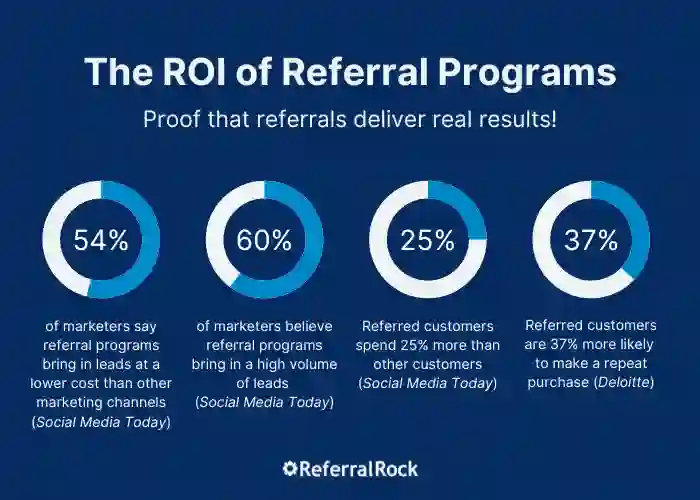
Research backs this up. A survey found that referred customers spend more on their first purchase compared to non-referred customers. They also remain customers longer. And once someone has been referred, they are more likely to refer others, creating a compounding effect that keeps feeding new business into your pipeline.
The cost side matters too. Acquiring a customer through paid advertising keeps getting more expensive. Referral marketing shifts that dynamic. You pay only when a referral converts, and the reward is typically far less than what you would spend on ads to generate the same sale. This performance-based model keeps acquisition costs predictable and tied directly to revenue.
Types of Referral Marketing
Not all referral marketing looks the same. Different businesses structure their programs differently based on who is doing the referring and what motivates them. Understanding the main types helps you choose the approach that fits your business model.
1. Customer Referral Programs
This is the most common form of referral marketing. Existing customers refer friends, family, or colleagues and receive a reward when those referrals become paying clients. The reward often benefits both parties. For example, the referrer might get store credit while the referred friend receives a discount on their first purchase.
Customer referral programs work well for e‑commerce brands and subscription businesses. The key is making the process effortless. If sharing a referral link feels like work, customers will not do it. The best programs integrate sharing options directly into the customer experience, often triggered after a positive interaction like a completed purchase or a resolved support ticket.
Platforms like Spocket demonstrate this principle by making it simple for users to invite other entrepreneurs. When the referral process is frictionless, participation increases.
2. Partner Referral Networks
Partner referrals involve other businesses sending prospects your way. Unlike customer referrals, these relationships are often more formal and may involve commission structures. The partner is not necessarily a customer themselves. They are a complementary service provider who encounters people that need what you offer.
This approach works particularly well in B2B settings. An IT consultant might refer clients to a cybersecurity specialist. A web designer might refer clients to a copywriter. Both businesses benefit because they can offer more complete solutions without having to deliver everything themselves.
3. Industry and Association Referrals
Networking groups and industry associations provide structured environments for referrals. Organizations like BNI (Business Networking International) create systems where members meet regularly and pass qualified referrals to each other. The key with these groups is alignment. The other members should serve similar markets but not compete directly with what you do.
4. Affiliate Programs
Affiliate marketing sits close to referral marketing but operates differently. Affiliates are typically content creators or publishers with an audience. They promote your products through blog posts, videos, or social media and earn a commission on resulting sales. Unlike customer referrers, affiliates may never have used your product themselves. Their motivation is primarily financial.
The distinction matters because it affects trust. A personal recommendation from a friend carries more weight than a sponsored blog post. That said, both channels can work well together. Many businesses run both a customer referral program and an affiliate program, treating them as separate growth levers. For those interested in building an affiliate channel, Spocket affiliates offers a structured program with commission opportunities.
5. Employee Referral Programs
Employees can be powerful referral sources. They know your business inside and out and often have networks full of potential customers or future team members. Some companies incentivize employees to refer both clients and new hires. The reward might be a cash bonus or additional paid time off.
How to Do Referral Marketing Successfully
Getting referrals consistently requires more than just doing good work. You need a system that reminds people to refer, makes sharing simple, and rewards the behavior you want to see more of. Here are the steps that make a difference.
1. Decide to Be a Referral-Based Business
The first step is committing to referrals as a core part of your growth strategy. Many business owners get referrals but do not think of themselves as running a referral-based business. That mindset shift matters because it changes how you allocate time and attention.
When you operate as a referral-based business, you stop treating referrals as a happy accident and start building everything around generating them. That means your onboarding materials mention referrals. Your email signature signals that you welcome them. Your client conversations include natural openings to ask for introductions.
This is not about being pushy. It is about being intentional. If you are delivering real value to clients, asking for referrals is simply giving them an opportunity to help others access the same value.
2. Know When to Ask
Timing changes everything. The best moment to ask for a referral is immediately after a client expresses satisfaction. That could happen during a feedback conversation, after you deliver a successful outcome, or when they send an unprompted thank‑you message.
You can use that opening to say something like: "I am glad this worked out. If you know anyone else who could benefit from this, I would love to meet them." The ask does not need to be complicated. You are not demanding anything. You are offering a way for them to help someone else solve a similar problem.
Some business owners feel awkward making this request. That hesitation usually comes from a fear of seeming desperate or transactional. But consider it from the client's perspective. If they are genuinely happy with your work, they probably want to see you succeed. Giving them an easy way to support you actually feels good.
3. Make It Easy to Refer
The harder you make sharing, the fewer referrals you will get. That means providing clear, simple ways for people to introduce you. For some clients, that might be a group email introduction. For others, it might be a WhatsApp message or a direct text. Your job is to meet them where they already communicate.
Having a visible referral page on your website helps. It should clearly state what you offer, who you serve best, and what the referrer receives in return. Proximity Outsourcing, a B2B service company, pays $1,000 for a full‑time referral and $500 for part‑time. That incentive is clearly communicated, and the process requires only a simple introduction.
4. Reward Referrals Consistently
You should always reward referrals, even when the person referring did not know about your program. If someone sends business your way and it converts, add them to your affiliate system and send the reward. That action alone often turns a one‑time referrer into a repeat advocate.
Cash works well because it is universal. But other rewards can be just as effective. Gift cards, account credits, charitable donations, or exclusive experiences all have their place. Some companies tie referral bonuses to causes the referrer cares about, adding a feel‑good layer to the transaction.
5. Make a Big Deal Out of the First Referral
When someone refers for the first time, go beyond the stated reward. Send flowers, a bottle of wine, or a personalized gift. More importantly, take extra care of that referred prospect. Let them know they came through someone you value, and that you will personally look after their account.
This extra attention does two things. First, it makes the referrer feel like a VIP, which motivates them to refer again. Second, it ensures the referred prospect has a great experience, which reflects well on the person who made the introduction.
6. Send Referrals to Others
Referrals should not flow in only one direction. Spend time each week looking for opportunities to refer business to your partners and industry friends. This is not a transaction. It is an investment in the relationship. When you consistently send opportunities to others, they naturally think of you when they encounter someone who needs what you offer.
This approach, sometimes called Givers Gain, works because it creates reciprocity without keeping score. You are building a network of people who trust each other and actively look for ways to help each other grow.
Referral Marketing Strategies That Scale
Once you have the basics in place, you can expand your referral efforts with more structured approaches. These strategies help turn occasional referrals into a predictable, scalable system.
1. Build a Circle of Industry Partners
Identify business owners who serve the same market but are not competitors. For example, if you provide outsourcing services, your ideal partners might be recruiters who encounter clients looking for lower‑cost alternatives. If you are a SaaS company, partners could include consultants who implement solutions in your space.
Commit to referring business to each other. This works best when everyone operates at a similar stage of growth and shares a genuine commitment to mutual success. Regular check‑ins keep the relationships active and top of mind.
2. Systematize Your Partner Process
Partnerships often fail because there is no clear process. Two companies agree they should work together, but without a defined structure, nothing happens. You need a simple framework that partners can follow.
That framework should include how introductions happen, what information gets shared, and how rewards are tracked and paid. When partners know exactly what to expect, they are more likely to make referrals consistently. The process removes friction and reduces the mental load required to make an introduction.
3. Lead with Value, Not the Transaction
When approaching potential referral partners, do not start by asking for access to their client list. Start by understanding their challenges and looking for ways you can help. That help might have nothing to do with referrals. It could be introducing them to someone in your network or sharing insight from your experience.
Leading with value changes the entire dynamic. You are not another salesperson looking for leads. You are a resource who happens to offer a service that might benefit their clients. When you eventually make that connection, the trust is already there.
4. Turn Affiliates into Clients
If someone is referring business your way, they already believe in what you do. Offer them a chance to experience it themselves at a discount. When an affiliate becomes a client, two things happen. First, you generate additional revenue. Second, they gain first‑hand knowledge of your process, which makes them an even better advocate.
5. Run an Affiliate Contest
Contests add a competitive element that motivates certain types of referrers. The prize does not have to be cash. Proximity Outsourcing offers its top affiliate each year a free trip, including a VIP day focused on business growth. That kind of experience creates loyalty and gives the winner something to talk about.
The key is choosing a prize your audience actually wants. For some, that might be the newest phone. For others, it could be a pair of concert tickets or a cooking class. Think about what matters to the people in your network.
For e‑commerce sellers, contests tied to product launches or seasonal promotions can drive significant engagement. Businesses using Print‑on‑Demand services can create branded merchandise as contest prizes, reinforcing brand awareness while rewarding top referrers.
Common Referral Marketing Mistakes to Avoid
Even with the right intentions, businesses often sabotage their own referral efforts. Here are the most frequent missteps and how to steer clear of them.
- Asking at the wrong time: Timing matters. Asking for a referral when a client is frustrated or indifferent will not yield results. Wait until you have delivered clear value and they have expressed satisfaction.
- Making the ask complicated: Long emails and complicated instructions kill referrals. A simple question works better: "Do you know anyone who could benefit from this?"
- Failing to reward referrals: If someone sends business your way and you close it, pay them. Even if they did not know about your program. That surprise reward turns casual referrers into active promoters.
- Trying to sell to everyone: You cannot market to everyone. Narrow your focus to a specific ideal client profile. When you know exactly who you serve best, your partners know exactly who to refer.
- Stopping after the first introduction: Partnerships need nurturing. After that initial coffee meeting, someone has to own the relationship. Without follow‑up, promising connections go nowhere.
- Treating partners as lead sources: Partners can sense when you view them only as a means to their client list. Focus on adding value first. The referrals will follow.
- Relying only on organic referrals: Being good at what you do will generate some referrals naturally. But without a system, you have no control over when or how often they happen. Structure makes referrals predictable.
Best Referral Marketing Tools in 2026

Managing referrals manually works for a while. As your program grows, you need tools to track who referred whom, distribute rewards, and measure what is working. Here are some options worth considering.
1. ReferralCandy
ReferralCandy integrates with e‑commerce platforms like Shopify and WooCommerce. It automates the entire referral process from sharing links to distributing rewards. Stores using it often report referral programs contributing a meaningful percentage of total revenue. Pricing starts around $49 per month.
2. xAmplify
For businesses running partner programs, xAmplify offers a partner relationship management platform with a native AI layer called Oliver AI. It includes deal registration, through‑channel marketing automation, and a partner portal. A free tier supports up to ten partners, making it accessible for companies just starting with structured partner programs. Paid plans scale based on partner count and features needed.
3. Viktor
Viktor is an AI‑powered referral and launch platform designed for startups and growing products. It automates campaign optimization, tracks conversions, and manages reward distribution. A free tier includes credits to get started without a credit card. Team plans cost $510 annually.
4. SaaSquatch
SaaSquatch provides referral marketing software for businesses of all sizes. It includes fraud detection, multi‑level marketing support, and detailed analytics. Pricing is custom based on program scope. Some users have reported significant improvements in referral conversion rates using its AI‑driven targeting features.
5. PartnerStack
PartnerStack focuses on SaaS companies running affiliate and referral programs. It connects businesses with a network of over 130,000 potential partners. Pricing starts around $500 per month and scales with program size. It works best for subscription businesses looking to build a partner ecosystem.
6. Blinq (Digital Business Cards)
Not strictly a referral tool, Blinq creates digital business cards that can include language about being a referral‑based business. When you exchange contact information, your card immediately signals that you welcome referrals. The app is free with premium features available for teams.
Referral Marketing vs. Affiliate Marketing
These two approaches overlap but serve different purposes. Knowing the difference helps you decide which to prioritize or how to use both together.
Referral marketing focuses on existing customers recommending your business to their personal networks. The trust comes from the relationship between the referrer and the prospect. Rewards are typically one‑time and may include non‑cash incentives. The audience is limited to who the referrer knows personally, but conversion rates tend to be higher.
Affiliate marketing involves third‑party marketers promoting your products to their audience, often through content like blog posts or videos. Affiliates may never have used your product. Their motivation is the commission, which is usually a percentage of sales. The reach can be much larger, but the trust level is generally lower than a personal recommendation.
Both channels can work together. A business might run a customer referral program to capture warm introductions while also maintaining an affiliate program to reach broader audiences through content creators. The key is understanding that they are different growth levers with different mechanics and expectations. For a deeper look at building an affiliate channel, you can read about affiliate marketing strategies that complement referral efforts.
What Businesses Struggle with Most When It Comes to Referral Marketing?
Despite knowing that referrals work, many businesses still do not have a functioning referral system. The reasons are consistent across industries and company sizes.
- The first barrier is not knowing where to start. Business owners understand they should be getting referrals but lack a clear process to follow. They do not know what to say when asking, or they feel awkward about making the request at all.
- The second barrier is treating referrals as something that happens organically. A company might report that a significant portion of new business comes from referrals, but when asked if they have a system around it, the answer is no. That means they have no control over the flow. It could stop tomorrow and they would not know why.
- The third barrier is focusing only on customer referrals while ignoring partner opportunities. Customers can refer, but they are harder to systematize. Partners, on the other hand, can become a repeatable channel when you build the right structure around them.
- The fourth barrier is failing to narrow focus. Trying to serve everyone makes it impossible for anyone to know exactly who to refer. When you clearly define your ideal client, your network knows exactly who to send your way.
Scaling Referrals Through Partnerships
Partnerships offer the most scalable path for referral growth. A single partner can refer multiple clients over time. When you build a network of partners who trust you and understand your value, referrals become a predictable revenue stream rather than a sporadic bonus.
The process starts with identifying who your ideal referral partners are. Look at your best clients and ask who else serves them. Those service providers are your potential partners. They already have relationships with the people you want to reach.
You should design a clear engagement model. Partners need to know exactly how to introduce you, what happens after an introduction, and how they benefit. When you remove ambiguity, you remove friction.
Also, nurture those relationships consistently. Check in regularly. Look for ways to add value that have nothing to do with getting referrals. Send opportunities their way when you can. Over time, you become an essential part of their network, and referrals flow naturally as a result.
Conclusion
Referrals are not magic. They are the result of doing good work and building a system that captures the goodwill you create. When you decide to be a referral‑based business, you stop leaving growth to chance. You create a process that rewards the people who support you and makes it easy for them to keep doing it. The businesses that thrive are rarely the ones with the biggest ad budgets. They are the ones people trust enough to recommend.
Building that trust takes time, but once you have it, the referrals that follow can sustain your business for years. Start by making one change this week. Add a referral line to your email signature. Ask one satisfied client for an introduction.
Set up a simple way to track and reward the referrals you receive. Small steps build momentum, and momentum builds a business.
Start your dropshipping business today
Referral Marketing FAQs
What is referral marketing?
Referral marketing is a structured approach to word‑of‑mouth where businesses reward existing customers or partners for recommending their products or services to new prospects. It uses the trust built into personal relationships to generate qualified leads and sales.
How is referral marketing different from affiliate marketing?
Referral marketing relies on existing customers or trusted partners recommending to their personal networks, while affiliate marketing involves content creators promoting to a broader audience. Referral trust is higher because of the personal relationship.
What are the best incentives for a referral program?
Cash, store credit, discounts, and gift cards are common and effective. Some programs offer charitable donations or exclusive experiences. The best incentive depends on what your customers actually value.
How do I ask for referrals without sounding desperate?
Ask at the right moment, usually after a client expresses satisfaction with your work. Keep the ask simple and focused on helping others. You are offering a way for them to share something valuable, not begging for favors.
Do I need software to run a referral program?
Not initially. You can track referrals manually with a spreadsheet. As your program grows, software automates tracking, reward distribution, and reporting, which saves time and reduces errors.
Why do some referral programs fail?
Common reasons include complicated sharing processes, unrewarding incentives, poor timing of referral requests, and a lack of follow‑through on promised rewards. Programs also fail when businesses do not actually deliver the value they claim to offer.


Launch your dropshipping business now!
Start free trial.avif)


Related blogs

Affiliate Marketing on Instagram
Learn how Instagram affiliate marketing works, how to add affiliate links the right way, create high-converting content, stay compliant, and track results.


Top Affiliate Programs for 2026
Explore the top affiliate programs for 2026. From Spocket to Amazon Associates, learn which affiliate programs offer the best commissions and benefits for marketers.


How to Use Coupon Advertising to Drive Conversions in E-commerce
Are you a coupon ads newbie? Learn how to use coupon advertising to drive conversion for your e-commerce store with our handy guide!