How to Build a Dropshipping Email List That Actually Converts
Grow an email list for your dropshipping store with better signup offers, customer segments, automated flows, and product emails that turn visitors into buyers.
.avif)

A dropshipping email list gives your store something paid ads cannot: direct access to people who have already shown interest in your products. When someone joins your list, you can bring them back without paying again for every click.
But simply collecting email addresses is not enough. Many dropshipping stores add a basic popup, offer a small discount, and send the same promotional email to everyone. That may grow the list, but it does not always lead to sales.
A high-converting email list is built with intent. You need the right signup offer, the right message after signup, and the right product recommendations based on what each customer wants. The stronger your product quality and delivery experience, the easier it becomes to turn subscribers into buyers.
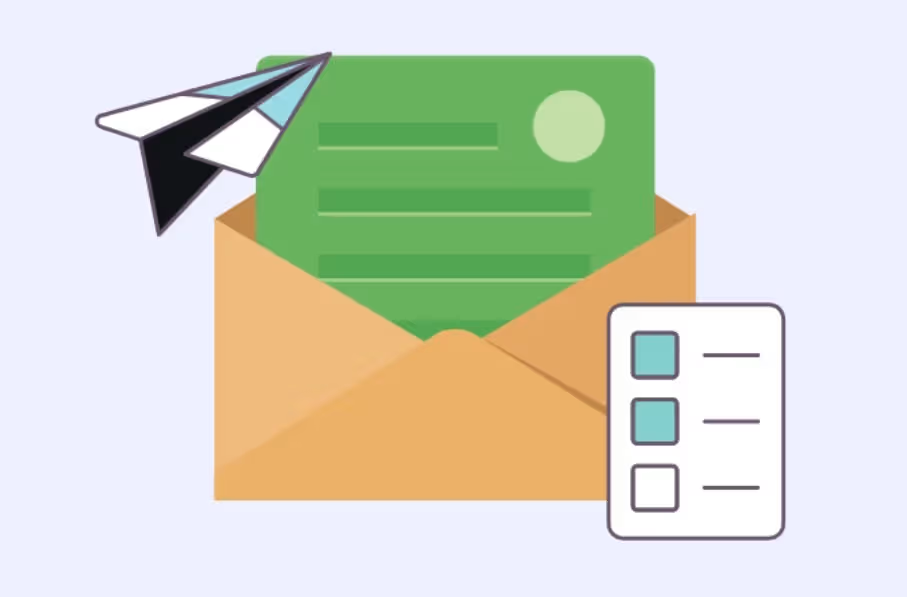
Quick Answer: How Do You Build a Dropshipping Email List That Converts?
To build a dropshipping email list that converts, give visitors a clear reason to subscribe, then follow up with emails that match their interests and buying stage. Good signup offers include first-order discounts, free shipping, product quizzes, buying guides, gift guides, and early access to new arrivals.
After signup, send a welcome sequence instead of jumping straight into random promotions. Introduce your store, deliver the offer, show bestsellers, answer common questions, and guide subscribers toward products they are likely to buy.
The best dropshipping email lists also use segmentation. Someone browsing pet products should not receive the same emails as someone interested in home decor. A new subscriber should not get the same message as a repeat customer.
For better conversions, pair email marketing with strong product sourcing. If your emails promote products with poor quality or long delivery times, subscribers may hesitate. With Spocket, sellers can choose from reliable suppliers and faster shipping options, helping email campaigns feel more trustworthy.
Why Email Lists Matter for Dropshipping Stores
Most visitors do not buy the first time they visit your store. They may compare prices, check reviews, think about shipping, or leave because they are distracted. If you do not capture their email, you may lose that visitor completely.
An email list lets you reconnect with those visitors. You can remind them about products, send useful guides, recover abandoned carts, promote new arrivals, and offer personalized deals.
For dropshipping stores, this is especially valuable because paid traffic can be expensive. If every sale depends only on ads, your profit margins can become tight. Email gives you a lower-cost channel to build trust and drive repeat purchases.
A strong email list helps you:
- Bring visitors back to your store
- Reduce dependence on paid ads
- Recover abandoned carts
- Promote new products faster
- Increase repeat purchases
- Build trust before the first order
- Send personalized product offers
- Improve customer lifetime value
The goal is not to collect the largest list possible. The goal is to build a list of people who are likely to buy.
How to Build and Grow a High-Converting Dropshipping Email List (Step-by-Step)
Building an email list is not just about adding a popup to your store and collecting as many subscribers as possible. To get real sales from email marketing, you need a clear audience, a strong signup offer, smart form placement, useful automation, and emails that match each customer’s interest.
The steps below show how to attract the right subscribers, guide them toward purchase, and turn first-time buyers into repeat customers.
1. Start With a Clear Customer Profile
Before creating popups or email flows, define who your email list is for. A random list of subscribers will not convert as well as a focused list of people interested in a specific niche.
For example, a store selling pet travel products should attract pet owners who travel, commute, or need practical accessories for their dogs or cats. A home organization store should target small-space renters, homeowners, parents, or remote workers.
When your audience is clear, your emails become easier to write. Your offers feel more relevant. Your product recommendations make more sense.
Ask yourself:
- Who is the ideal customer?
- What problem are they trying to solve?
- What products are they most likely to buy?
- What stops them from ordering?
- Do they care more about price, quality, or delivery speed?
- What kind of offer would make them subscribe?
This step helps you attract buyers, not just people looking for a free discount.
2. Create a Signup Offer That Feels Worth It
People rarely subscribe just because a store asks them to. They need a reason. That reason is your signup offer, also called a lead magnet.
Many dropshipping stores use discounts, and discounts can work. But they are not the only option. Depending on your niche, a quiz, guide, checklist, or early-access offer may attract better subscribers.
Good signup offers include:
- First-order discount
- Free shipping offer
- Product recommendation quiz
- Gift guide
- Style guide
- Size guide
- Buying checklist
- Early access to new arrivals
- Back-in-stock alerts
- Bundle offer
- Subscriber-only deals
The best offer should connect directly to what you sell. A beauty tools store could offer a “5-step beauty tools checklist.” A pet store could offer a “dog travel essentials guide.” A home decor store could offer a “small-space styling guide.”
A generic “join our newsletter” message feels weak. A specific offer gives visitors a clear reason to subscribe now.
3. Place Signup Forms Where They Can Convert
A good offer still needs the right placement. If your only signup form is in the footer, most visitors will miss it. Your forms should appear where shoppers are already engaged.
Use signup forms in places like:
- Homepage hero section
- Exit-intent popup
- Product pages
- Blog posts
- Cart page
- Checkout page
- Announcement bar
- Slide-in form
- Post-purchase page
Match the offer to the page. A discount or free shipping offer works well on product pages. A checklist or guide fits naturally inside blog content. An exit popup can help recover visitors before they leave.
Keep forms simple. Ask for an email address first. You can collect preferences later through quizzes, surveys, or customer behavior.
A strong form should include:
- A clear headline
- A short benefit
- One email field
- A direct CTA
- A small privacy reassurance
For example: “Get 10% off your first order and early access to new arrivals.”
4. Use Quizzes to Build a Better Email List
A quiz can make list building more personal. Instead of only asking someone to subscribe, you help them choose the right product. This works especially well for dropshipping stores with multiple product categories.
Quiz ideas include:
- Which skincare tool fits your routine?
- What type of pet travel product do you need?
- Find your perfect home office setup
- Which fitness accessory matches your workout style?
- What gift should you buy this season?
At the end of the quiz, ask for an email address to send the result, unlock recommendations, or provide a discount. This gives you more than a subscriber. It gives you useful data.
A quiz can help you learn:
- Product interest
- Customer goals
- Budget range
- Pain points
- Category preference
- Shopping intent
Then you can send more relevant emails. A person interested in pet grooming should not receive the same emails as someone interested in pet travel. Better relevance usually means better clicks and more sales.
5. Build a Welcome Flow That Creates Trust
Your welcome flow is the first automated email sequence a subscriber receives. This is one of the most important parts of your email strategy because new subscribers are usually more engaged right after signing up.
Do not rely on one discount email. Use the welcome flow to introduce your store, build trust, and guide subscribers toward the right products.
A simple welcome flow can include:
Email 1: Deliver the Offer
Send the discount, guide, quiz result, or free resource immediately. Thank the subscriber and tell them what to expect from your emails.
Email 2: Introduce Your Store
Explain what your store sells, who it helps, and why customers should trust you. For dropshipping stores, mention product selection, shipping expectations, support, or supplier quality.
Email 3: Show Bestsellers
Feature your most popular products or categories. Keep it focused. Too many products can make the email feel overwhelming.
Email 4: Answer Common Questions
Handle objections around shipping, returns, sizing, product quality, or support. This helps reduce hesitation before the first purchase.
Email 5: Encourage the First Order
Remind subscribers about their offer, show recommended products, and give them a clear reason to buy.
The goal is to move subscribers from interest to trust to purchase.
6. Segment Your List for Better Conversions
Sending the same email to everyone is one of the fastest ways to lower engagement. Your subscribers have different interests, behaviors, and levels of trust. Segmentation helps you send more relevant messages.
Start with simple segments:
- New subscribers
- First-time buyers
- Repeat customers
- Abandoned cart users
- Product category interest
- Discount users
- High-value customers
- Inactive subscribers
- Quiz leads
You can also segment by niche. If your store sells beauty, pet, and home products, each group should receive different emails.
Behavior matters too. If someone clicks on fitness products, send more fitness-related recommendations. If someone buys a kitchen tool, follow up with related accessories. If someone only opens discount emails, send deal-based campaigns carefully.
Segmentation helps your emails feel less random and more useful. That is what improves conversions.
7. Send the Right Emails at the Right Stage
Not every subscriber is ready to buy immediately. Some need education. Some need product proof. Some need a reminder. Some need a better offer.
That is why your email list should include different types of emails, not just sales campaigns.
Useful dropshipping emails include:
- Welcome emails
- Abandoned cart emails
- Browse abandonment emails
- Product recommendation emails
- New arrival emails
- Back-in-stock emails
- Post-purchase emails
- Review request emails
- Win-back emails
- Seasonal offer emails
- Bundle emails
- Product education emails
- AI outreach emails
A good email strategy balances value and promotion. If every email says “buy now,” people may stop paying attention. Helpful content can make your product emails feel more natural.
For example:
- How to choose the right travel bowl for your dog
- 5 home office products that make work easier
- What to pack for a weekend trip
- Small bathroom storage ideas
- Best gifts for new pet owners
These emails educate first, then recommend products naturally.
8. Recover Sales With Abandoned Cart Emails
Abandoned cart emails are essential for dropshipping stores. Many shoppers add products to cart but leave before paying. They may worry about shipping, price, product quality, or simply get distracted.
A strong abandoned cart flow can recover some of those lost sales. Use a simple 3-email flow:
Email 1: Cart Reminder
Remind the shopper what they left behind. Include the product image, name, price, and a clear return-to-cart button.
Email 2: Trust Builder
Answer common concerns. Mention shipping timelines, returns, customer support, product benefits, or popular items.
Email 3: Final Incentive
Offer a limited-time discount, free shipping, or bonus if your margins allow. Keep it simple and clear.
For dropshipping, the trust-building email is especially important. Customers may hesitate because they are unsure about delivery or product quality. Clear information can help them finish the purchase.
9. Turn Buyers Into Repeat Customers
Email marketing should not stop after the first order. Repeat customers are valuable because they already trust your store and usually cost less to convert than new visitors.
After someone buys, send emails that improve their experience and encourage the next purchase.
Post-purchase emails can include:
- Order confirmation
- Shipping update
- Product usage tips
- Delivery follow-up
- Review request
- Related product recommendations
- Reorder reminder
- VIP or loyalty offer
For example, if someone buys a pet carrier, recommend travel bowls, pet blankets, or grooming wipes later. If someone buys a skincare tool, suggest storage cases or other beauty accessories.
The key is relevance. Do not send random products. Recommend items that naturally fit the customer’s purchase.
10. Improve Email Conversions With Better Products
Email can bring people back to your store, but the product experience decides whether they buy again. If your emails promote products with slow shipping, unclear descriptions, or poor quality, subscribers may hesitate.
This is where Spocket can help. With access to reliable suppliers and faster shipping options, dropshipping sellers can promote products with more confidence. Better sourcing supports better email performance because customers are more likely to trust what you are offering.
Spocket can support email conversions by helping sellers:
- Source products from reliable suppliers
- Find quality products for niche campaigns
- Offer faster shipping options
- Order samples before promoting products
- Build trust with better product selection
- Reduce complaints caused by slow delivery
- Create a stronger post-purchase experience
A good email campaign can get the click. A reliable product and delivery experience help turn that click into a satisfied customer.
11. Keep Your Email List Healthy
A large email list is not always better. If many subscribers never open, click, or buy, your list quality drops. A healthy list should be engaged and relevant.
Inactive subscribers can hurt performance over time. That is why list cleaning matters.
To keep your list healthy:
- Remove bounced or invalid emails
- Send re-engagement campaigns
- Segment inactive subscribers
- Avoid emailing too often
- Let subscribers manage preferences
- Make unsubscribing easy
- Track opens, clicks, purchases, and revenue
A smaller list of engaged subscribers is more valuable than a large list that ignores your emails.
12. Track What Actually Drives Sales
Subscriber count is only one metric. A growing list means little if it does not create revenue. Track the numbers that show whether your email strategy is working.
Important email metrics include:
- Signup conversion rate
- Welcome flow revenue
- Open rate
- Click-through rate
- Abandoned cart recovery rate
- Revenue per email
- Revenue per subscriber
- Unsubscribe rate
- Spam complaint rate
- Repeat purchase rate
If people sign up but do not buy, your welcome flow may need work. If they click but do not purchase, the issue may be product pages, price, shipping, or trust. If they stop opening, your emails may be too frequent or too generic.
Use metrics to improve, not just report.
Common Mistakes to Avoid
Many dropshipping stores collect emails but fail to convert them because the strategy is too basic. Avoid these mistakes:
- Using only a generic newsletter form
- Offering discounts without building trust
- Sending the same email to everyone
- Ignoring abandoned carts
- Not creating a welcome flow
- Sending too many sales-only emails
- Hiding shipping information
- Promoting weak products
- Never cleaning the list
- Tracking list growth but not revenue
Email marketing works best when it feels helpful, timely, and relevant. If subscribers feel like every message is a hard sell, they will stop engaging.
Conclusion
Building a dropshipping email list that converts is not about collecting emails as fast as possible. It is about attracting the right subscribers, giving them a reason to join, and sending emails that match their interests.
Start with a clear customer profile. Create a useful signup offer. Place forms where visitors are active. Use quizzes to collect better data. Build a welcome flow that earns trust. Segment your audience. Recover abandoned carts. Send post-purchase emails that encourage repeat sales.
Most importantly, promote products customers can trust. Email marketing may bring shoppers back, but reliable products, clear shipping, and a good customer experience turn them into buyers.
With Spocket, dropshipping sellers can source quality products from reliable suppliers and offer faster shipping options, making email campaigns easier to convert. A strong list gets customers to return. A strong product experience keeps them coming back.
Start your dropshipping business today
FAQs about Building a Dropshipping Email List
How do I build an email list for dropshipping?
Offer a clear signup incentive, such as a discount, product quiz, guide, checklist, or free shipping offer. Add signup forms to product pages, popups, blog posts, and checkout pages. Then use welcome emails, segmentation, and product recommendations to turn subscribers into customers.
What is the best lead magnet for a dropshipping store?
The best lead magnet depends on your niche. Discounts work well for ready-to-buy visitors, while quizzes, buying guides, gift guides, and checklists can attract more targeted subscribers. The offer should connect naturally to the products you sell.
How often should a dropshipping store send emails?
Most stores can start with 1 to 3 emails per week, depending on engagement. Automated flows like welcome emails, abandoned cart emails, and post-purchase emails should run in the background. Avoid sending too many sales emails without useful content.
What emails should every dropshipping store have?
Every dropshipping store should have a welcome flow, abandoned cart emails, order confirmation, shipping updates, post-purchase follow-ups, review requests, product recommendation emails, and win-back campaigns.
How does Spocket help with email conversions?
Spocket helps sellers source quality products from reliable suppliers with faster shipping options. When your emails promote products that customers can trust, shoppers are more likely to complete purchases and return for future orders.


Launch your dropshipping business now!
Start free trial


Related blogs
Dropshipping Supplier Directory: Where to Find Vetted Suppliers
Browse our directory of vetted dropshipping suppliers across the US and EU, complete with niches, shipping speed, and pricing. Start your free trial today.

How to Negotiate With Dropshipping Suppliers: 9 Tactics That Actually Work
Learn how to negotiate with dropshipping suppliers on price, MOQs, and payment terms. Proven tactics and email scripts to boost your margins. Try Spocket free.

Best Clothing Dropshipping Suppliers: The 2026 Guide
Compare the best clothing dropshipping suppliers for 2026 — US/EU shipping speeds, pricing, and product quality — and find the right fit to launch your store.