How to Build a Hybrid Store (Dropshipping + Inventory)
Learn how to build a hybrid ecommerce store using both dropshipping and inventory. Discover strategies to scale your store while maintaining flexibility.
.avif)
.avif)

Ecommerce business models have evolved significantly over the past decade. While dropshipping has allowed entrepreneurs to launch online stores without holding inventory, many growing brands eventually realize that relying only on dropshipping can limit control over product quality, shipping speed, and branding.
At the same time, fully stocking inventory comes with its own challenges. Buying products in bulk requires capital, storage space, and inventory management systems. This is why many successful ecommerce businesses eventually adopt a hybrid store model, combining dropshipping with inventory-based fulfillment.
A hybrid ecommerce store allows you to sell some products through suppliers who ship directly to customers while also storing and shipping selected products yourself or through a fulfillment center. This approach provides flexibility, improves customer experience, and allows businesses to scale more efficiently. This guide will explain how hybrid stores work, why they are becoming popular among ecommerce brands, and how you can build one successfully.
What Is a Hybrid Ecommerce Store?
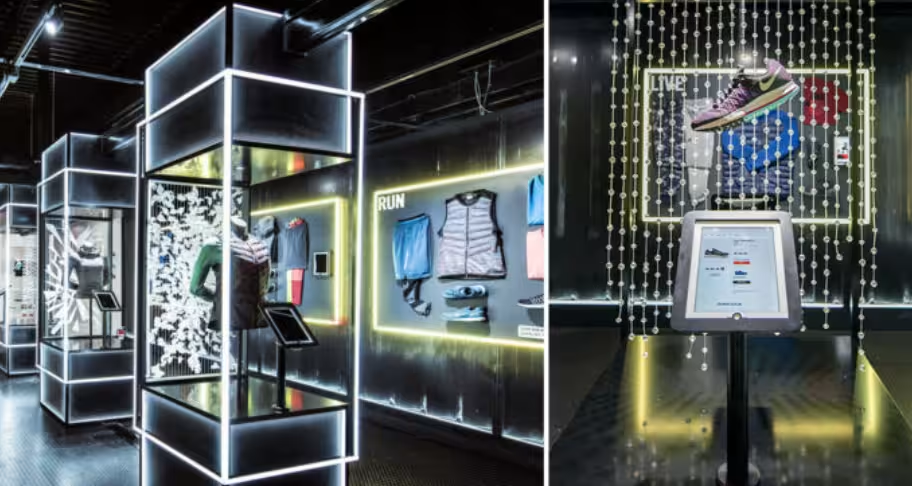
A hybrid ecommerce store is a business model that combines dropshipping fulfillment with traditional inventory management. In this model, some products are fulfilled by suppliers who ship directly to customers, while other products are stocked and shipped from your own warehouse or third-party fulfillment center.
For example, a store might:
- Dropship new products to test market demand
- Stock high-performing products in bulk for faster shipping
- Use dropshipping for niche or low-volume items
- Manage inventory for branded or custom products
This approach gives ecommerce businesses the flexibility of dropshipping while maintaining the control and efficiency of inventory-based operations.
Hybrid stores are increasingly popular because they help solve some of the limitations of traditional dropshipping.
Why Hybrid Stores Are Becoming Popular
Many ecommerce businesses start with dropshipping because it requires minimal upfront investment. However, as stores grow, owners often discover certain challenges with the pure dropshipping model.
Hybrid stores address many of these issues while maintaining flexibility.
Faster Shipping
One of the biggest advantages of stocking inventory is faster delivery times. Products stored locally can reach customers much faster than items shipped directly from overseas suppliers. This improved shipping speed can increase customer satisfaction and reduce refund requests.
Better Brand Control
When you manage inventory, you gain greater control over packaging, branding, and product presentation. You can include:
- Custom packaging
- Branded inserts
- Personalized thank-you notes
These small details can significantly improve the customer experience.
Improved Profit Margins
Buying products in bulk often reduces the per-unit cost. This allows businesses to increase their profit margins compared to traditional dropshipping. Hybrid models let you maintain dropshipping flexibility while benefiting from wholesale pricing.
Easier Product Testing
Dropshipping remains useful for testing new products. Instead of committing to large inventory purchases immediately, you can first validate demand through supplier fulfillment. Once a product proves successful, you can transition it into inventory.
How the Hybrid Dropshipping Model Works
The hybrid model allows ecommerce stores to manage multiple fulfillment methods simultaneously. Here is how the process typically works:
- New products are added to the store through dropshipping suppliers.
- Sales data is collected to identify winning products.
- High-demand products are purchased in bulk.
- Inventory is stored locally or through a fulfillment center.
- Orders are fulfilled using the most efficient method.
This system allows store owners to maintain a flexible catalog while optimizing fulfillment for top-performing products.
Platforms like Spocket make this model easier by providing access to suppliers that offer faster shipping from US and EU warehouses, helping stores maintain reliable delivery times even when dropshipping.
Building and Managing Your Hybrid Store Operations
Once you understand the hybrid ecommerce model, the next step is learning how to structure your store and manage fulfillment efficiently. A successful hybrid store requires thoughtful product selection, proper platform setup, and a clear fulfillment workflow that determines how each order is processed. By combining dropshipping for product testing with inventory for high-performing items, store owners can maintain flexibility while improving shipping speed and customer experience.
The following sections explain how to choose the right products for each fulfillment method, configure your store platform to support both dropshipping and inventory, and manage order fulfillment effectively as your business grows. Together, these strategies help ensure your hybrid store operates smoothly while scaling sustainably.
1. Choosing Products for Your Hybrid Store
Not every product should be handled in the same way. A hybrid store works best when different fulfillment methods are used strategically.
Products Ideal for Dropshipping
Some products are better suited for dropshipping, particularly when demand is uncertain. Examples include:
- New product experiments
- Trend-based products
- Seasonal items
- Niche accessories
Dropshipping allows you to offer these products without committing to inventory.
Products Ideal for Inventory
Other products benefit from being stocked directly. Examples include:
- Best-selling items
- High-margin products
- Branded products
- Products with consistent demand
Stocking these items allows you to control fulfillment speed and customer experience.
2. Setting Up a Hybrid Store on Shopify
Many ecommerce entrepreneurs build hybrid stores using Shopify because it supports multiple fulfillment methods. To create a hybrid store, you will need to configure fulfillment settings correctly.
Configure Multiple Fulfillment Locations
Shopify allows you to set up different fulfillment locations such as:
- Your own warehouse
- Third-party fulfillment centers
- Supplier fulfillment
Orders can then be routed to the appropriate location automatically.
Integrate Dropshipping Suppliers
Dropshipping apps allow you to import supplier products directly into your store. With Spocket, store owners can access curated suppliers and add products that can be fulfilled directly from supplier warehouses.
Track Inventory Carefully
When managing both inventory and dropshipping products, accurate tracking becomes essential. Inventory management tools can help ensure that products remain available and prevent overselling.
3. Managing Fulfillment in a Hybrid Store
Running a hybrid store requires efficient fulfillment management.
Automate Order Routing
Automation tools can route orders to the correct fulfillment method based on the product. For example:
- Inventory products ship from your warehouse
- Dropshipped products are forwarded to suppliers
This reduces manual work and prevents errors.
Monitor Shipping Performance
Shipping speed is one of the most important factors affecting customer satisfaction. Regularly review shipping times and supplier reliability to maintain consistent delivery standards.
Use Third-Party Fulfillment Centers
Many hybrid stores eventually partner with third-party logistics providers (3PLs). These companies store inventory and handle shipping, allowing store owners to scale without managing warehouses themselves.
Marketing Strategies for Hybrid Ecommerce Stores
Marketing a hybrid ecommerce store requires a balanced approach that highlights both product variety and fulfillment advantages. Since some products are stocked in inventory while others are dropshipped, your marketing strategy should clearly communicate benefits such as fast shipping, product availability, and unique product offerings. Customers are more likely to trust stores that offer reliable delivery and a well-curated catalog.
- Promote Fast Shipping: Products fulfilled from local inventory can be marketed with fast shipping advantages. Customers often prefer stores that provide quicker delivery times.
- Highlight Product Quality: Inventory-based products can be positioned as premium offerings, especially when combined with custom packaging and branding.
- Test Products Through Paid Ads: Dropshipping products can be tested through social media advertising. Once successful products are identified, they can transition into inventory.
Challenges of Running a Hybrid Store
While the hybrid ecommerce model offers flexibility and scalability, it also introduces additional operational complexity. Managing both dropshipping and inventory-based fulfillment means store owners must coordinate multiple suppliers, track stock levels accurately, and ensure that orders are routed to the correct fulfillment source. Without proper systems in place, this can lead to inventory mismatches, delayed shipments, or fulfillment errors.
While hybrid models offer flexibility, they also introduce additional complexity.
- Inventory Management: Handling both stocked products and dropshipped items requires accurate tracking systems. Without proper management, businesses may encounter stockouts or fulfillment delays.
- Operational Complexity: Hybrid stores require coordination between suppliers, warehouses, and shipping providers. Automation tools and fulfillment software can help reduce manual tasks.
- Financial Planning: Purchasing inventory requires upfront capital. Store owners must carefully analyze sales data before investing in bulk product purchases.
Tips for Building a Successful Hybrid Store
Building a successful hybrid store requires a strategic balance between flexibility and control. The goal is to use dropshipping to explore new products and market trends while stocking proven items that consistently generate sales. By combining these two approaches, store owners can reduce risk, improve shipping speed for best-sellers, and maintain a wider product catalog without committing to large upfront investments.
- Start With Dropshipping: Use dropshipping to test products and identify market demand before investing in inventory.
- Transition Winning Products: Once a product shows consistent sales, consider purchasing it in bulk to improve margins and shipping speed.
- Use Reliable Suppliers: Choose suppliers who provide consistent product quality and reliable shipping. Platforms like Spocket help connect store owners with trusted suppliers that offer faster fulfillment options.
- Invest in Inventory Management Tools: Automation tools help manage stock levels, track orders, and coordinate fulfillment across multiple suppliers.
Final Thoughts
The hybrid ecommerce model combines the flexibility of dropshipping with the operational advantages of inventory-based fulfillment. By using dropshipping to test products and stocking proven winners, store owners can reduce risk while improving profit margins and customer experience.
This strategy allows ecommerce businesses to scale more efficiently and adapt to changing market demands. For entrepreneurs using dropshipping platforms such as Spocket, hybrid stores provide a powerful way to expand product offerings while maintaining reliable shipping and supplier relationships.
With the right systems in place, a hybrid store can offer the best of both worlds—flexibility, scalability, and long-term growth.
Start your dropshipping business today
FAQs About Hybrid Ecommerce Stores
What is a hybrid ecommerce store?
A hybrid ecommerce store is a business model that combines dropshipping with traditional inventory fulfillment. Some products are shipped directly from suppliers, while others are stored and shipped from the store owner’s warehouse or a fulfillment center. This approach allows businesses to balance flexibility with greater control over shipping and product availability.
Why do businesses use hybrid dropshipping?
Businesses use hybrid dropshipping because it allows them to test new products without holding inventory while stocking proven best-sellers for faster shipping. This combination helps reduce risk, improve customer experience, and increase profit margins. It also provides flexibility when expanding product catalogs.
Can Shopify support hybrid stores?
Yes, Shopify supports hybrid stores by allowing multiple fulfillment methods and locations. Store owners can configure suppliers, warehouses, and fulfillment centers within the platform. This makes it easier to manage orders that come from both dropshipping suppliers and stocked inventory.
When should I move from dropshipping to inventory?
Many store owners switch to inventory once a product shows consistent sales and demand becomes predictable. Buying in bulk at this stage can improve profit margins and allow faster shipping. It also gives more control over branding, packaging, and the overall customer experience.
Do hybrid stores require warehouses?
Not always. While some businesses store products in their own warehouse, many use third-party fulfillment centers to manage inventory and shipping. These services store products, pack orders, and deliver them to customers, allowing store owners to scale without managing logistics themselves.


Launch your dropshipping business now!
Start free trial


Related blogs
Dropshipping Supplier Directory: Where to Find Vetted Suppliers
Browse our directory of vetted dropshipping suppliers across the US and EU, complete with niches, shipping speed, and pricing. Start your free trial today.

How to Negotiate With Dropshipping Suppliers: 9 Tactics That Actually Work
Learn how to negotiate with dropshipping suppliers on price, MOQs, and payment terms. Proven tactics and email scripts to boost your margins. Try Spocket free.

Best Clothing Dropshipping Suppliers: The 2026 Guide
Compare the best clothing dropshipping suppliers for 2026 — US/EU shipping speeds, pricing, and product quality — and find the right fit to launch your store.