How Spocket Vets Its Suppliers - And Why That Matters for Your Business?
This guide explains how Spocket screens suppliers for quality, pricing, and shipping. Build a more reliable dropshipping store with fewer nasty surprises.
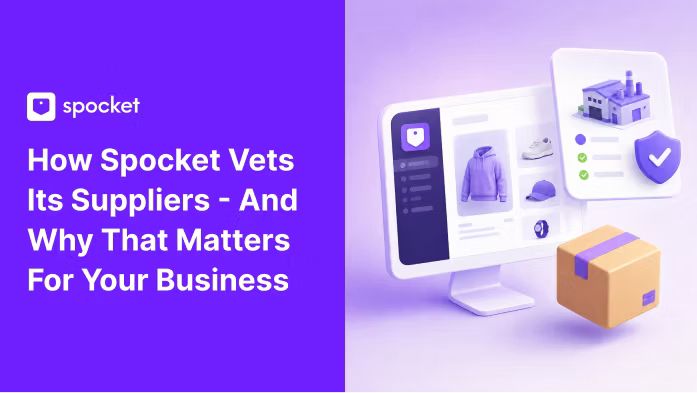

If you’re running a dropshipping store, supplier quality is basically the whole game. You can have clean branding, nice ads, smart pricing… and still burn your store down if your suppliers ship junk or ship late. This is where Spocket’s supplier vetting comes in. The app doesn’t just list anyone with a warehouse and a logo. It screens suppliers, sets rules, and keeps an eye on performance so you’re not guessing every time you add a new product.
Let’s walk through how that vetting works, what Spocket checks for, and why all of that translates into fewer headaches and more repeat customers for your store.
Why Does Supplier Vetting Matter?
When people complain about dropshipping, they’re usually complaining about suppliers, not store owners. Stuff like:
- Delivery taking three weeks when the site promised seven days
- Products arriving damaged or looking nothing like the photos
- Fake tracking numbers or zero communication after an order
- Refunds dragging on for months
If you’re sourcing from random marketplaces, you’re the one who has to screen every single supplier manually. That usually means scrolling through reviews, messaging strangers, placing test orders, and hoping they don’t change factories next month. It’s slow, and you still miss things.
Spocket tries to solve that by only onboarding suppliers that hit certain quality, pricing, and shipping standards before they ever show up in the catalog. For a US‑focused store that sells worldwide, that kind of filtering is a big deal, because your customers will judge your brand by the worst supplier you work with.
What is Spocket?
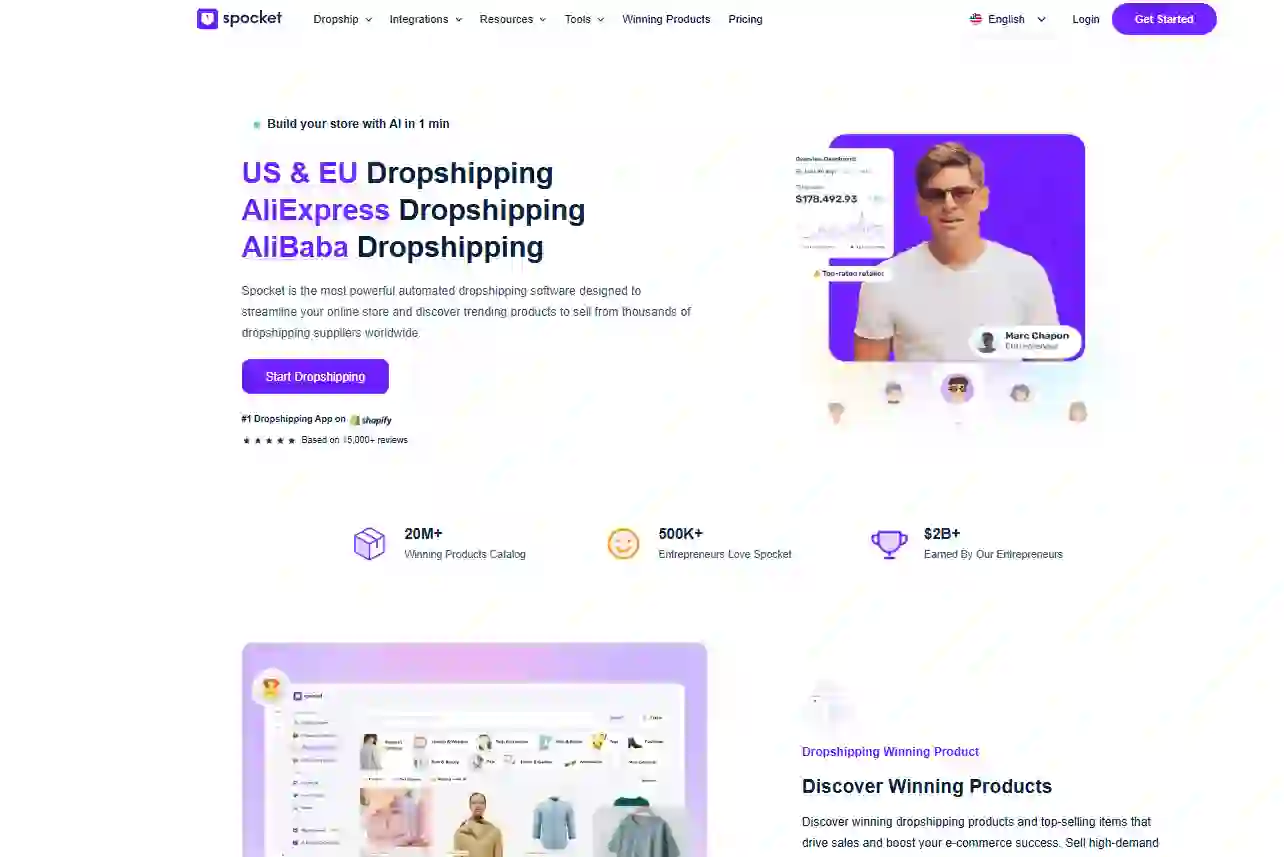
Spocket is a dropshipping platform that sits between your online store and a curated group of suppliers, mostly in the US and Europe with some in other regions. You connect your Shopify, BigCommerce, or other store, import products from Spocket’s catalog, and when customers buy, orders are routed to those suppliers for fulfillment.
A large share of products on Spocket ship from US or EU warehouses, which means delivery times closer to 2–7 days instead of several weeks. That’s one direct result of vetting: the platform prioritizes local or near‑local suppliers that can ship faster and keep customers happier.
If you want a general feel for how their dropshipping model works from the merchant side, their main site explains it pretty cleanly:
The Ugly Side of Vetting Suppliers On Your Own
Before we get into Spocket’s process, it’s worth calling out what most people run into when they try to vet suppliers alone:
- Inconsistent quality. One batch looks fine, the next batch comes from a different factory with thinner materials.
- Vague shipping promises. You’ll see “7–15 business days” but no real data, and no accountability if it turns into 30 days.
- No ownership of inventory. Some “suppliers” are just middlemen on top of other marketplaces, which means extra delays and less control.
- No clear margin. Retail prices and wholesale prices are all over the place, so you have no idea if you can set healthy pricing.
- Limited support. When something goes wrong, you chase people in different time zones through chat apps, hoping they respond before your customer files a chargeback.
The whole point of using a curated platform is to skip most of that mess for your day‑to‑day operations, especially if you’re selling to US customers who expect Amazon‑level reliability.
How Spocket Vets Suppliers?
Spocket doesn’t onboard suppliers with a single form and a handshake. There’s a full application process, and suppliers have to meet several hard requirements before they’re listed.
Here’s is how Spocket can help you vet suppliers:
- They review the products themselves, including quality level and images.
- They check that suppliers own or hold their own inventory instead of routing orders through unknown third parties.
- They require a minimum discount off retail so you can actually make a margin.
- They set expectations for order processing times and shipping, and suppliers have to stick to those.
- They keep the supplier group curated and remove people who don’t follow the rules.
Let’s break that down.
Requirement 1: high‑quality, ready‑to‑sell products
Spocket starts with the basics: suppliers have to offer products that are actually worth selling.
What that includes:
- Products must be high quality and suitable for retail customers, not random factory rejects.
- Suppliers have to provide proper product photos and descriptions that are ready for merchants to use, not blurry warehouse shots.
- Certain product types are not allowed at all, like unapproved nutraceuticals, pseudo‑pharmaceuticals, and drug‑related hardware such as bongs or vaporizers.
That last one matters if you want to keep your payment processors and ad accounts safe. Platforms get nervous when you sell in “grey” areas; Spocket keeps those categories off the table by default, which protects your store.
Requirement 2: real inventory, no random middlemen
One of the bigger differences between Spocket and open marketplaces is that suppliers must actually make or hold the products they’re selling.
The rules look like this:
- Suppliers must manufacture their own products or keep inventory in their own warehouses.
- Pure resellers who don’t control stock or use third‑party warehouses are not accepted.
Why you care: when suppliers hold their own stock, there’s less risk of “ghost inventory” where the listing says 100 units left but the real factory is sold out. It also shortens the path between your order and the person packing the box, which helps with speed and consistency.
Requirement 3: clear margins and discounts
It’s not enough for a product to be nice. You need enough margin to cover payment fees, marketing, and still have something left over.
Spocket sets a clear rule here:
- Suppliers must give at least 25% off their own retail price to merchants on the platform.
- They recommend around 40% off, since that’s where stores usually see better results.
That discount applies to product plus shipping combined. If a supplier changes how they structure shipping charges, they still have to keep the overall discount at or above that level.
For you, that means you’re not constantly guessing whether a product leaves enough room for ads. The floor is built into the onboarding rules.
If you want to check which plan gives you enough product slots and access to premium suppliers, you can look at Spocket’s pricing here when you’re planning:
Requirement 4: no MOQs
Minimum order quantities (MOQs) are one of the big things that scare new merchants off wholesale. Spocket avoids that completely:
- Suppliers are not allowed to enforce MOQs on Spocket.
- You can order one unit or a hundred without signing separate deals.
There’s a dedicated post that gets into how Spocket has no MOQs and why that’s good for small brands and testers.
For your business, this means you can order samples, run micro‑tests in different niches, and only double down on products that prove themselves with real customers.
Requirement 5: realistic shipping and processing times
Fast shipping is one of the big reasons people pick Spocket in the first place. That’s baked into supplier vetting too.
Spocket’s rules around this:
- Suppliers must commit to specific processing and shipping time frames and follow them.
- A large chunk of products are produced and shipped from Europe or North America, which helps keep shipping times shorter for US and EU customers.
- Suppliers have to keep shipping fees in line with what they charge their regular retail customers while still honoring the discount that gives you margin.
Spocket’s help center also explains which carriers suppliers use and confirms that many can ship worldwide, not just within their own country. So even if your main audience is in the US, you can still serve international customers without juggling separate supplier networks.
Requirement 6: curated group, not a free‑for‑all
Spocket is open about the fact that its supplier base is an “exclusive, curated group.” That sounds a bit formal, but the logic is simple: not everyone gets in.
Key points:
- Every supplier has to submit an application and be reviewed first.
- Spocket reserves the right to remove suppliers who break requirements, overcharge, or underperform.
- They make money from merchant subscriptions, not supplier commissions, so they’re incentivized to keep only suppliers that store owners actually want to use.
For you, that means the catalog is smaller than something like AliExpress, but built around quality and speed rather than “as many products as possible”.
On‑platform checks you can do yourself
Even with vetting, Spocket doesn’t expect you to just blindly trust every listing. The app gives you a few built‑in ways to judge suppliers on your own.
Here’s what you can check right inside Spocket, while you vet suppliers:
- Supplier ratings. You can open the supplier’s profile from the product search page and see their rating plus other details.
- Product reviews. Some products include reviews from other merchants, which is handy for spotting repeated complaints.
- Size charts and specs. For apparel, Spocket has guides showing where to find size charts on product pages, so you don’t have to message suppliers for basic info.
- Shipping info. You’ll see estimated delivery times and shipping fees per destination before you add the product to your store.
Use these signals together. A product from a supplier with a strong rating, clear shipping info, and detailed photos is a safer bet than a random listing with no track record, even in a curated platform.
How Supplier Vetting Impacts Your Brand?
All of this might sound abstract, so let’s bring it back to your store.
Fewer refund headaches
If suppliers stay within their promised processing and shipping windows, you deal with fewer “where is my order?” emails and chargebacks. That cuts down support time and keeps your payment accounts healthier.
Better reviews and repeat customers
High‑quality products plus faster delivery times mean more positive reviews, especially with US shoppers who are used to quick shipping. That’s how you end up with repeat customers instead of one‑off impulse buys.
More room to test niches
No MOQs plus mandatory discounts make it realistic to try different product lines—say women’s clothing, tech accessories, and pet supplies across separate stores or sections—without committing to big stock buys. You can browse those categories directly here when you’re planning:
Same goes for categories like toys and sports and outdoor, which are both available inside.
Cleaner integration stack
Because Spocket connects directly with the big ecommerce platforms, you’re not trying to glue random supplier portals together with custom scripts. The app already integrates with Wix, WooCommerce, eBay, and many others.
That setup is nice if you’re testing several storefronts or moving from one platform to another.
How Spocket fits with your own checks
Using a vetted platform doesn’t mean you stop thinking. It just changes what you focus on.
Here’s how to layer Spocket’s vetting with your own:
- Shortlist products using Spocket’s filters
Filter by shipping region, category, and processing time. Look at trending dropshipping products if you want ideas that are already moving. - Check supplier profiles and ratings
Open the supplier’s page, look at rating, reviews, and any extra notes they provide. - Order samples
Since there are no MOQs, send a few products to yourself first. Test the packaging, instructions, and actual delivery time. - Adjust pricing rules inside Spocket
Use the built‑in pricing rules so products import with your target margin. This builds on the supplier discount requirement instead of fighting it. - Watch early orders closely
For initial customers, track how long orders take and how often issues pop up. If one supplier is consistently slow or messy, replace their products with alternatives from the catalog.
If you work with print products as well, Spocket also has Print-on-demand suppliers you can layer in:. The same vetting logic applies, but you get custom designs on top.
When you’re ready to see all of this from the inside, you can create a free Spocket account and connect your store from their sign‑up page.
Manual sourcing vs Spocket’s vetting
Let’s put it side by side in simple terms.
If you source manually:
- You spend hours scrolling marketplaces trying to guess which suppliers are legit.
- You have to negotiate discounts and MOQs one by one.
- You deal with wide swings in quality and shipping times.
- When something goes wrong, you’re basically on your own.
If you use Spocket’s vetted catalog:
- Suppliers have already been screened for quality, inventory ownership, pricing, and shipping performance.
- You get consistent access to US/EU suppliers, which is important when most of your buyers are in the US.
- You can launch multiple stores or niches off the same supply network.
- You still do your own product testing, but the baseline risk is lower.
You’re paying for that filtering through your subscription fee, not through hidden commissions, since Spocket charges merchants for access and only passes minimal payment fees to suppliers.
Where do you still need to be careful?
No platform can promise that every single order will be perfect. Realistically, you should keep a few things in mind:
- Some suppliers will perform better than others even inside a curated group. Watch your data and switch away from weak links.
- Shipping times can still move around during peak seasons or unexpected events, though vetted suppliers are more likely to communicate and recover.
- You’re still responsible for your refund policy and customer support, even if the underlying issue starts with the supplier.
Think of Spocket’s vetting as a strong filter at the top. Your own testing and monitoring sit on top of that again. Together, they’re far safer than grabbing random wholesale contacts and hoping for the best.
Conclusion
Supplier vetting is one of those things you notice only when it’s missing. When suppliers are sloppy, your refund rate climbs, your support inbox fills up, and your store quietly loses trust. Spocket tries to handle a lot of that upfront by screening suppliers for quality, inventory control, margins, and shipping performance before they even enter the catalog. If you combine that with your own sample orders and common sense, you can focus more on product selection and marketing, and less on chasing warehouses across time zones. If you’re serious about building a dropshipping brand that customers actually respect, using a vetted supplier network is one of the best ways to get there.
So, start using Spocket today!
Start your dropshipping business today
How Spocket Vets Suppliers 2026 FAQs
Does Spocket check every single product individually?
Spocket reviews supplier applications, product ranges, and sample requirements as part of onboarding, but you should still order samples of key products yourself before scaling ad spend.
Are all suppliers based in the US and EU?
Most products come from suppliers in the US and Europe, but there are also partners in other regions so you can serve worldwide customers. Shipping times and carriers vary by listing.
Can a bad supplier slip through?
It’s possible for performance to drop over time, which is why Spocket reserves the right to remove suppliers that break requirements or underperform. Merchants can also report issues through support.
How do I check a supplier’s rating?
Inside Spocket, go to Search Products, open the supplier’s name from a product, and you’ll see their profile with rating and other details on that page.
Does Spocket support multiple stores and different niches?
Yes, higher‑tier plans support multiple stores and a large product count, so you can run different brands or niches from one Spocket account if you want to scale that way.


Launch your dropshipping business now!
Start free trial.avif)


Related blogs
Dropshipping Supplier Directory: Where to Find Vetted Suppliers
Browse our directory of vetted dropshipping suppliers across the US and EU, complete with niches, shipping speed, and pricing. Start your free trial today.

How to Negotiate With Dropshipping Suppliers: 9 Tactics That Actually Work
Learn how to negotiate with dropshipping suppliers on price, MOQs, and payment terms. Proven tactics and email scripts to boost your margins. Try Spocket free.

Best Clothing Dropshipping Suppliers: The 2026 Guide
Compare the best clothing dropshipping suppliers for 2026 — US/EU shipping speeds, pricing, and product quality — and find the right fit to launch your store.