How Hyper-Personalisation Is Reshaping the Dropshipping Customer Experience in 2026?
Hyper-personalizing your customer shopping experience can help you boost dropshipping sales. Learn how.

73% of customers are treated as individuals by companies. Consumers also want tailored shopping experiences, not products you shove down their throats as a part of mass messaging campaigns. Internet-savvy users are also becoming more aware of how their data is used and they are getting smarter in using AI chatbots for making intelligent searches.
Searches happen over voice, text, Google AI overview modes, and so many channels. So, if you're not shaping up your consumer experiences and personalizing shopping journeys, you are greatly missing out. Not just on the sales now, but on connecting with future business prospects too. Let's take a look at where we are headed and how to make use of all these developments.
What Is Hyper Personalisation?
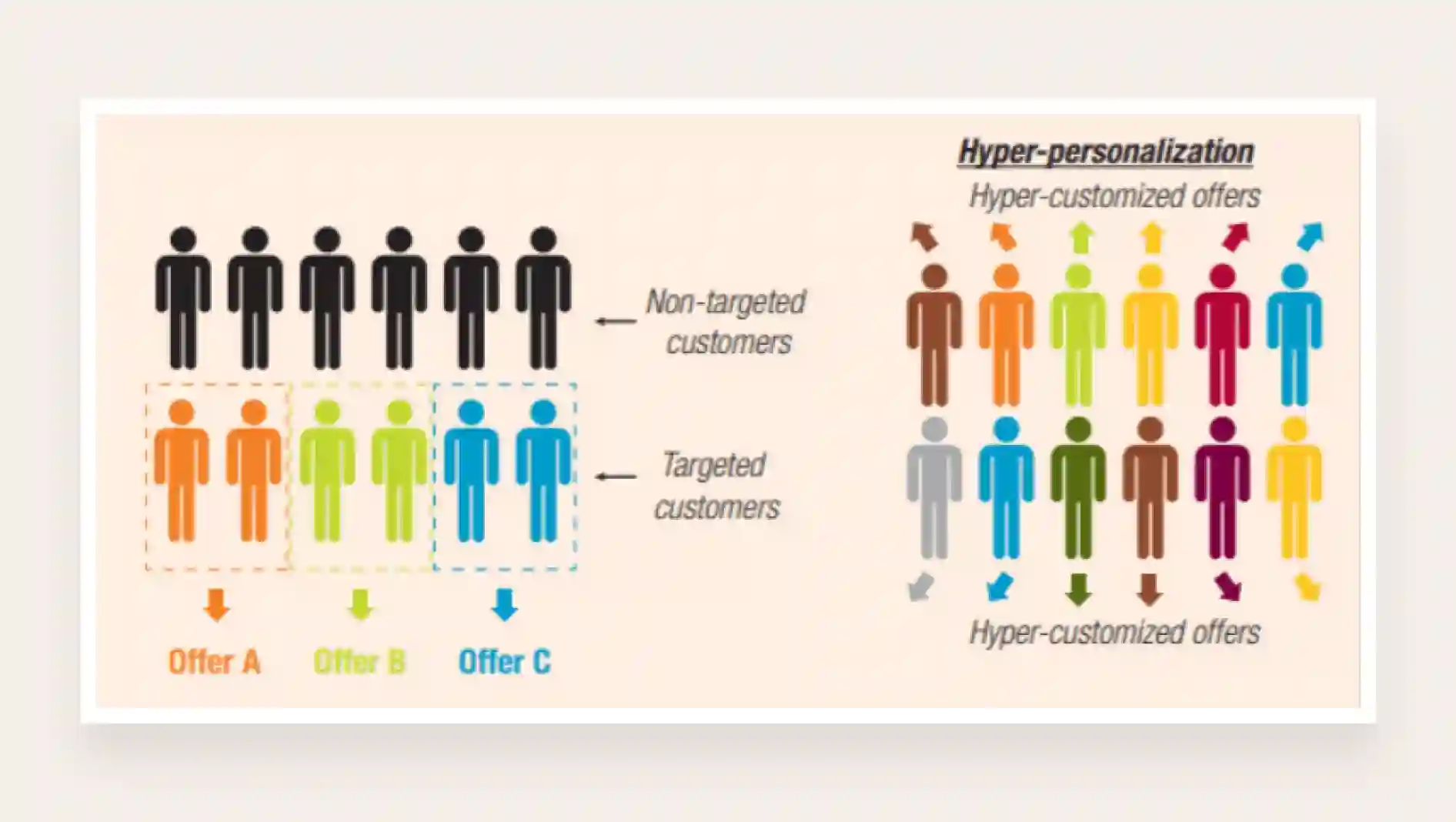
Okay so think about walking into your local coffee shop. The barista knows your name and your exact order before you even say hi. That is what this is for your online store. You look at buyer data to figure out what they want before they even click anything. It goes way past just putting a first name in an email subject.
You check out their past clicks and buying habits. Then you only show them stuff they actually care about right now. If someone buys dog food, hitting them up weeks later with a discount on dog toys makes sense. This kind of hyper personalization marketing keeps buyers coming back. They feel seen instead of just feeling like a random generic order number.
What Does Hyper Personalisation Look Like?
Honestly, it looks like you are reading your buyer's mind. You check what they click. You notice when they abandon a cart. Then you hit them with a highly specific offer they actually care about.
- Sending SMS reminders for a specific shirt size they left in cart.
- Showing different homepage banners based on past browsing history.
- Offering bundle discounts for items that go with their previous order.
These hyper personalization examples show how easy it is to treat buyers like real humans. You stop guessing. You just let the data show you what to put in front of them.
Giving Buyers What They Want
Stop making it hard for people to buy stuff. If a buyer keeps looking at winter coats, your site should stop showing them summer hats. It is basic common sense. You clear out the noise so they find the right item fast.
Top Hyper Personalisation Dropshipping Trends for 2026

Here is a list of the top hyper personalisation dropshipping trends for 2026:
1. Every Customer Chat Will Now Contain Context
Bots used to be super annoying. Now they actually know who you are and what you bought last week. If a buyer complains about a delayed package, the bot already has the tracking info ready. No more asking for order numbers 5 times.
It makes the whole support thing way less painful for everyone. The bots hook up directly to your store data. They know if the person asking a question is a top spender or a first-time buyer. The tone changes based on who they are talking to.
2. Traditional Hyper Personalisation vs AI-Powered Hyper Personalisation
The old way was just setting up standard email flows. You had to guess what people might want next. The new way uses hyper-personalization AI to predict what someone will buy next month based on thousands of past clicks. The old stuff took hours to set up manually. The new stuff just runs in the background and gets smarter every day. You barely have to touch it once it goes live. It just runs the background checks and makes offers while you sleep.
3. Voice Search Getting Super Specific
People are talking to their phones a lot more now to buy things. They ask for highly specific stuff like a blue waterproof tent for a medium-sized dog. Your store needs to answer these exact voice queries. If you don't show up when they speak, you lose money to a store that does. You fix this by naming your products exactly what people say out loud. Forget fancy names. Just be direct so the phones can find you.
4. Visual Search Matching
A buyer sees a cool lamp on social media and uploads a screenshot to your store. Your site instantly shows them the exact product or something super close. This skips the typing part. It makes buying way faster. You literally just let them shop with their camera. Adding a visual search bar is a crazy good way to convert impulse buyers who don't want to type long descriptions.
5. Real-Time Pricing Adjustments
Prices change based on when someone visits your site or how many times they looked at an item. You might offer a cheaper price to a first-time buyer to get them to checkout.
You can use apps like Prisync to adjust your numbers on the fly based on their behavior. You set the rules and the software drops the price just enough to make them hit the buy button. It gets people off the fence fast.
6. Hyper-Specific Video Content
Video ads are not one size fits all anymore. You show a different video to a mom looking for baby toys than you do for a college kid looking for dorm decor. The video changes based on who is watching it.
It grabs attention because it feels like it was filmed just for them. You can use apps to swap out the text in the video based on the user's location. A guy in Texas sees a Texas background. It is a crazy good trick.
Top 10 Customer Expectations Brands Need to Meet in eCommerce Dropshipping This Year
Buyers are getting way more picky, so you really need to step up your game and give them exactly what they expect this year.
1. Customers are Noticing Relevance More than Just Personalisation
Knowing someone's name is not enough. You need to show them stuff they actually care about right now. If I just bought a phone, do not show me another phone. Show me a phone case. Make it relevant. If you just slap my name on an email selling random junk, I will unsubscribe instantly. Buyers want you to respect their time. Give them the exact stuff they are looking for without making them dig through menus.
2. The Link Between Hyper Personalisation in Dropshipping and Customer Loyalty
When you get this right, buyers stick around. They feel like you actually get them. Personalization in dropshipping means they trust your store more than some random giant marketplace. They keep coming back because shopping with you is just easier. They don't want to hunt for products when your site already serves them the best options. You build a real habit for them.
3. Addressing Customers’ Privacy Challenges
People get freaked out if you know too much. You have to ask for their data upfront. Tell them exactly why you need their birthday or location. If you are clear about it, they usually do not mind sharing. Just do not be weird and track them without saying anything first. Honesty goes a long way here. Explain what they get out of it, like better discounts.
4. Faster Checkout Options
Buyers hate typing in their credit card numbers every single time. They want one-click buying. If they bought from you before, everything should be saved and ready to go. Make the payment part take five seconds. If it takes longer than a minute, they will close the tab and forget about your store entirely. You are losing money if your checkout page asks for too much info. Keep the form short.
5. Easy Returns Without the Headache
Nobody wants to print out ten labels and wait weeks for a refund. Give them a simple button to return stuff. Tell them exactly where to drop it off. Make it so easy that they do not dread buying from you again. A good return policy actually makes people buy more stuff because they feel safe. They know they can trust you if things go wrong. Don't hide the return button. Just eat the cost and keep the buyer happy.
Start your dropshipping business today
Sign up on Spocket Free
6. Seeing User-Generated Content
Buyers want to see real photos from other buyers. They don't trust heavily edited studio shots anymore. Show them a regular person holding the item. It makes deciding way easier. If you don't see a regular photo in the reviews, just close the page and move on. You need regular people hyping up your stuff. Ask past buyers to upload selfies with the product.
7. Getting Answers Instantly
If someone has a question about a sizing chart at 2 AM, they want an answer right then. They will not wait for an email the next day. You need a setup that replies fast. A good bot can handle this and keep the sale from dying while you are asleep. Your store needs to be awake even when you are not. People have no patience anymore.
8. Expecting a Hyper-Personalized Mobile Experience
Most people buy on their phones while watching TV or eating. Your store has to work perfectly on a small screen. A hyper-personalized mobile site remembers what they left in their cart yesterday. The buttons need to be huge and easy to tap. Do not make them pinch to zoom in on product text. If it is clunky, they are gone. Check your mobile site every single day.
9. Caring About Sustainability
Buyers actually care about packaging now. They prefer stores that do not use a ton of plastic. Take a brand like Tentree for instance. They plant trees for every item bought and show buyers exactly where their trees are planted. People love that connection.
Even dropshippers can ask suppliers to use less waste. It is a small thing that makes a big difference to buyers right now. Show them you care about the planet. Add a small note about eco-friendly shipping.
10. Feeling Like a VIP
Give your best buyers special perks so they feel elite. Do not just say they are a VIP. Give them actual tactical benefits. Give them a private login page where everything is 15% off permanently. Send them free samples of new items before they hit the main store.
Treat them way better than someone who just showed up for the first time. Everyone likes feeling special. It costs you almost nothing to text an unlisted product link to your top fifty spenders. They will buy just because they feel exclusive.
How to Deliver Hyper-Personalised Dropshipping Customer Experiences?
Here is a guide on how to deliver hyper-personalised dropshipping customer experiences:
Letting the Numbers Decide Your Next Move
Start by looking at your data. Find out where buyers drop off. Then fix that spot. Use pop-ups that actually make sense based on what page they are reading. Do not just blast everyone with the same generic code.
Treat different buyers differently based on how much money they spend. Building hyper personalized experiences in dropshipping means checking what works and ditching what fails. It is a lot of trial and error. You just follow the clicks.
Self-Service Customer Accounts
Let buyers log in and change their own orders. They should be able to update their shipping address without emailing you. It saves you so much time. Fixing typos in addresses takes up way too much energy. If they can fix it themselves, you can focus on selling more products. Just put a big manage order button in the confirmation email. You will get way fewer angry emails this way.
Autonomous Ad Campaigns
For ads, let the math do the heavy lifting. You set the budget and let the ad platform figure out exactly who wants to buy your stuff based on their past clicks. You don't need to manually pick interests anymore. Just give the platform some good photos and videos, and it will find the right buyers for you. The ad networks are way smarter than us at finding buyers now. Just let them run.
Dynamic Website Content based on Location
If a buyer is sitting in London, your site should show prices in pounds instantly. You don't make them hunt for a currency switcher. The main banner should show shipping times to the UK. It just makes them feel like you are a local shop even if you are dropshipping from across the globe. It removes a ton of friction from the buying process.
How to Achieve Hyper-Personalised Dropshipping at Scale?
Here is how you can go about achieving hyper-personalized dropshipping customer experiences at scale:
1. Moving Beyond Ten Visitors a Day
Look, if you have ten visitors a day, you can easily guess what they want. When you hit ten thousand, your brain will fry if you try to manage it manually. Handling this much traffic means setting up strict conditional logic rules across all your apps.
You need your storefront to feed real-time click data directly into your messaging tools using saved customer profiles. It is the only way to keep the store running without breaking things when traffic spikes.
2. Using Automated Webhooks and Profile Tagging
If a buyer clicks a specific clothing collection twice, an automated webhook should immediately tag their profile behind the scenes. This is exactly where hyper-personalization AI does the grunt work.
Instead of trying to build five hundred different email templates yourself, you use dynamic product blocks that change automatically based on that user's specific history. The tech handles the matching while you hunt for new items to sell.
3. Setting Up Dynamic Layouts on Shopify
If you run your shop on Shopify, you can use liquid code snippets or deep database tags to change your layout for different buyers on the fly. It makes personalization in dropshipping completely hands-free even when your traffic hits massive numbers.
It is all about creating an automation chain where your data dictates what the buyer sees instantly. You set it up once, and the site basically runs itself.
4. Going Headless for Faster Loading
If you want to handle huge amounts of traffic, you might want to look into headless setups. It basically means pulling your front-end store design apart from the back-end data. You use APIs to plug in custom recommendation engines that standard platforms might struggle to run when a lot of people visit at once.
It makes your pages load way faster even when you run heavy tracking scripts. Fast pages mean buyers do not close the tab before the page even shows them their custom items.
5. Keeping Your Buyer Data Clean
You can not grow if your data is trash. If an app tags a guy as liking winter boots, but he lives in Hawaii and bought them as a gift once, your setup will keep showing him snow gear.
You have to set rules to clear out old or weird data. Make sure your apps ignore one-off purchases that do not match the buyer's usual habits. Clean data gets you more sales. Messy data just annoys people.
6. Syncing Inventory with Buyer Habits
Handling a lot of buyers is not just about ads and emails. You gotta watch your stock too. If your software notices five hundred buyers keep searching for a specific pink water bottle, you need to text your dropshipping supplier to check their stock.
You hook your demand data directly to your inventory alerts. That way, when the automated emails go out to those five hundred people, the supplier actually has the items ready to ship.
Best Tools and Apps to Help Craft Hyper-Personalised Customer Experiences in Dropshipping in 2026
Now, here is a list of the best tools and apps we recommend to help craft hyper-personalised customer experiences in dropshipping:
1. Spocket
Spocket can help you deliver a hyper-personalised dropshipping experience by vetting US and EU suppliers specific to your business niche, brand, and anything else. You can order samples in bulk with no MOQs and the app seamlessly integrates with Shopify, Wix, BigCommerce, WooCommerce, and other major e-commerce platforms.
You can use Spocket to validate your dropshipping products, ideas, and niches. You can use the profit margin calculator to set margins for items in your store. Spocket provides plenty of tools to help out your business. You can start an AI dropshipping store with Dropgenius and also use Logome to make branded logos. Spocket also does branded invoicing, Print-on-demand services, and private labeling and white labeling for dropshipping products anywhere in the world.
You can get a 7-day free trial with Spocket when you sign up as a new customer. Go through the 100M+ trending dropshipping products catalog to see what items fit your stores and clients best. You can handpick from pet supplies, home and garden decor, tech accessories, and so much more.
Spocket also automates your dropshipping workflow end-to-end. Have any questions? You can get in touch with our 24/7 VIP customer support.
2. Loox
Reviews are a huge deal. Loox makes it super easy to collect photo reviews from your buyers. It sends them an email asking for a picture of what they bought, and gives them a discount for next time. The app grabs all those photos and puts them in a nice widget right on your product pages.
It makes your store look totally legit and builds trust fast. Buyers like seeing real people using the products before they spend their money. You can set up automatic review requests based on when the package actually gets delivered. That way you don't ask for a review before they even open the box. It is a really smart way to run things.
3. Klaviyo
For your emails, Klaviyo is great. It looks at what people buy and sends them specific emails based on that. It does not just send a mass email to everyone. You can group buyers by what they like or how much they spend.
It is super smart and helps you make more sales from people who left stuff in their carts. You can set up flows that run 24/7 without you having to press send. You can literally track if someone opens an email but doesn't buy, and then hit them with an SMS a day later. It handles everything for you.
4. Rebuy
Next up is Rebuy. This tool is crazy good for showing personalized product recommendations. It analyzes your buyer's cart and suggests add-ons that actually make sense. The app uses data to figure out what usually gets bought together.
If they are buying a flashlight, Rebuy will pop up asking if they need batteries right before they pay. This bumps up your average order value without being pushy. It just feels like helpful advice. You just install it and let it do its thing.
5. Gorgias
You also need a solid helpdesk. Gorgias pulls all your buyer data into one spot for your support team. So when a buyer messages you on social media, the person replying can see their entire order history right next to the chat.
They can cancel orders or issue refunds directly inside the chat window. It saves a ton of tab-switching and makes the buyer feel like you actually know them. It speeds up reply times a ton.
6. Omnisend
Then there is Omnisend. If you want to run SMS and email together, this app is perfect. You can build out these wild automation flows based on how buyers act on your site. You get to reach them wherever they are.
If they view a product three times but don't buy, Omnisend can shoot them a quick text with a special code. It is built strictly for e-commerce, so it connects perfectly with most dropshipping setups.
7. Nosto
You should also check out Nosto. It lets you change how your whole website looks for different buyers. A person who buys a lot of shoes will see a totally different homepage than a person who buys hats.
It uses behavior data to swap out banners and products in real time. It makes your store feel like it was built just for that one specific buyer. It is a massive trick for keeping people on your site longer.
Conclusion
So, wrapping this all up. Giving buyers exactly what they want without them having to ask is the only way to run a store now. People want things easy and fast. If your shop is hard to navigate or shows them irrelevant stuff, they will just leave and buy somewhere else. The whole point is making the shopping trip feel completely built around them. You have to use the right apps to track what they like and offer it to them at the perfect time. Stop treating every single visitor exactly the same. Get started today and see how much your sales change when you actually pay attention to what buyers really want. Ready to begin? Sign up for Spocket.
How Hyper-personalisation Is Reshaping Dropshipping Customer Experience FAQs
How does hyper-personalization prepare a store for AI shopping agents?
When people use smart bots to find products, those bots look for highly specific details. If your store already maps out exact buyer preferences and tags items perfectly, the bots will pick your stuff first. It makes sure your site talks the same language as the bots so they recommend your items over a competitor. You just have to feed them good clean data.
Can dropshippers offer personalized experiences without third-party cookies?
Yes, you totally can. You just ask buyers for their info directly instead of tracking them secretly. Give them a discount code in exchange for taking a short quiz about what they like. That gives you all the data you need to show them relevant stuff. It is actually way better because the data comes straight from them. No sneaky tracking needed.
How do you provide a personalized unboxing experience in dropshipping?
This is tricky since you do not pack the boxes yourself. But you can work with suppliers who let you add custom thank you notes or stickers. You can also send a super specific follow-up email right when the package gets delivered. Just include a video showing them exactly how to use the exact item they just opened. It makes them smile.
Can hyper-personalization help reduce dropshipping return and refund rates?
Yes, it definitely can. A huge reason people return things is because the item was not quite what they expected. When you use data to suggest the right size or fit based on their past orders, they get exactly what they need. It stops them from guessing. Less guessing means fewer mistakes, which drops your return rate way down. This saves you money fast.
What is the difference between standard segmentation and dynamic personalization?
Standard segmentation is just putting people into big groups, like women under thirty. It is pretty basic. Dynamic personalization treats every single person as their own category. The site changes in real time for each visitor based on their exact clicks. It is the difference between a mass mailer and a one-on-one conversation with a friend. It feels highly specific and direct.


Launch your dropshipping business now!
Start free trial.avif)


Related blogs
Dropshipping Supplier Directory: Where to Find Vetted Suppliers
Browse our directory of vetted dropshipping suppliers across the US and EU, complete with niches, shipping speed, and pricing. Start your free trial today.

How to Negotiate With Dropshipping Suppliers: 9 Tactics That Actually Work
Learn how to negotiate with dropshipping suppliers on price, MOQs, and payment terms. Proven tactics and email scripts to boost your margins. Try Spocket free.

Best Clothing Dropshipping Suppliers: The 2026 Guide
Compare the best clothing dropshipping suppliers for 2026 — US/EU shipping speeds, pricing, and product quality — and find the right fit to launch your store.