Dropshipping Shoes: Best Products & Suppliers in 2026
Learn how to start dropshipping shoes in 2026 with top products, trusted suppliers, pricing tips, niche ideas, and FAQs for beginners.
.avif)

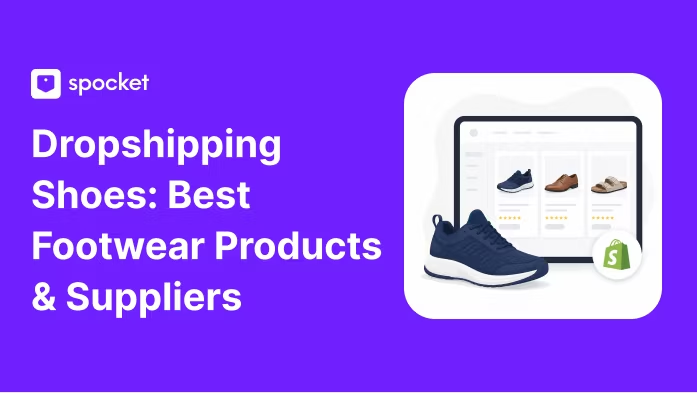
Dropshipping shoes is one of the most promising ecommerce niches because footwear has year-round demand, strong repeat purchase potential, and plenty of profitable subcategories to explore. From sneakers and sandals to boots, kids’ shoes, walking shoes, and custom footwear, sellers can target different audiences without holding inventory. However, success in dropshipping shoes depends on more than choosing trendy styles. You need reliable suppliers, accurate size charts, clear product descriptions, fast shipping, and a smart return policy to build customer trust. This guide covers the best shoes to dropship, top dropshipping shoe suppliers, pricing tips, niche ideas, and common mistakes to avoid. Whether you are starting a Shopify store or expanding your product catalog, platforms like Spocket can help you source quality footwear products more efficiently.
Is Dropshipping Shoes Profitable in 2026?
Yes, dropshipping shoes can be profitable in 2026, but it works best when you treat it like a niche business, not a random product store. Shoes have steady demand because people buy them for fashion, work, fitness, school, travel, seasons, events, and growing kids.
The market also supports the opportunity. Grand View Research estimates the global footwear market at USD 476.83 billion in 2025, projected to reach USD 675.56 billion by 2033, growing at a 4.5% CAGR from 2026 to 2033.
That said, profitability in shoe dropshipping depends on a few practical factors:
- Niche selection: Sneakers, comfort shoes, sandals, kids’ shoes, and work shoes all attract different buyers.
- Product quality: Shoes are worn daily, so poor stitching, weak soles, or uncomfortable materials quickly lead to complaints.
- Sizing accuracy: Fit issues are one of the biggest reasons footwear gets returned.
- Shipping cost: Bulky boots and heavy shoes can reduce margins.
- Ad costs: Trendy shoes may sell fast, but competition can make paid ads expensive.
- Supplier reliability: For dropshipping shoes, supplier quality matters more than with simple accessories because buyers expect comfort, durability, and accurate sizing.
Shoes also have strong perceived value. A customer may happily pay more for a pair that looks stylish, comfortable, or problem-solving. But to protect your margins, you need clear size charts, honest product photos, fast shipping, and suppliers you can trust.
Who Should Dropship Shoes?
Dropshipping shoes is best for sellers who want to build a focused niche store, not a random general store with hundreds of unrelated products.
It works especially well for:
- Fashion stores selling women’s shoes, sandals, flats, or boots
- Lifestyle brands focused on sneakers, casual footwear, or streetwear
- Fitness stores selling walking shoes, gym shoes, or recovery slides
- Kids’ stores selling baby shoes, toddler shoes, and school footwear
- Comfort-focused stores selling wide-fit, cushioned, or work-friendly shoes
If you choose a clear audience, use reliable dropshipping shoe suppliers, and create product pages that reduce sizing confusion, the footwear niche can be a strong long-term ecommerce category.
Best Shoes to Dropship in 2026
The best dropshipping shoes are not always the flashiest ones. They are the styles people already search for, buy repeatedly, and can easily understand through photos, size charts, and clear product details. For 2026, focus on footwear that blends comfort, trend appeal, and practical use.
Sneakers and Casual Shoes
Sneakers are one of the strongest categories for shoe dropshipping because they fit daily wear, streetwear, gym looks, travel, and comfort fashion. Recent 2026 sneaker trend coverage highlights slim sneakers, expressive styles, ballet-inspired sneakers, slip-ons, running silhouettes, and hiking-inspired details.
Best products to test:
- Lightweight casual sneakers
- Slip-on sneakers
- Retro-style sneakers
- Chunky walking sneakers
- Minimalist everyday sneakers
- Platform sneakers
These work well for TikTok, Instagram, Pinterest, and Google Shopping because buyers can quickly judge the style visually. For better conversions, show outfit use cases like “everyday errands,” “travel days,” “college wear,” or “casual office looks.”
Women’s Flats and Ballet-Inspired Shoes
Women’s flats are a smart dropshipping footwear option because they are lightweight, easy to style, and usually cheaper to ship than boots. Ballet flats, glove shoes, Mary Jane sneakers, and soft minimalist styles are also getting fresh attention in 2026 trends
Best products to test:
- Ballet flats
- Mary Jane flats
- Glove shoes
- Pointed flats
- Foldable travel flats
- Office-friendly flats
They work best for stores targeting women’s fashion, workwear, travel, or minimalist style. Add fit notes, material details, and comfort-focused copy to reduce hesitation.
Sandals, Slides, and Summer Footwear
Sandals and slides are strong seasonal products for dropshipping shoes, especially before summer, vacations, festivals, beach trips, and warm-weather events. Spring 2026 shoe trend coverage points to open silhouettes, T-strap sandals, slides, toe-ring styles, flip-flops, and wedge-inspired sandals.
Best products to test:
- Cloud slides
- Orthopedic-style sandals
- Platform sandals
- Minimalist flip-flops
- Beach sandals
- Women’s heeled sandals
- Kids’ summer sandals
These products can also support easy upsells like beach bags, socks, foot cushions, or shoe-cleaning accessories.
Boots and Ankle Boots
Boots can be profitable for fall and winter campaigns, but sellers should be more careful with shipping weight, return rules, and sizing. 2026 boot trend coverage points to versatile ankle boots, fitted boots, tall black boots, French-style ankle boots, and walkable minimalist styles.
Best products to test:
- Chelsea boots
- Women’s ankle boots
- Winter boots
- Rain boots
- Platform boots
- Cowboy-inspired boots
- Suede-look boots
For beginners, ankle boots are usually safer than heavy tall boots because they are easier to ship and often easier to price profitably.
Comfort, Walking, and Orthopedic-Style Shoes
Comfort footwear is a high-intent niche because buyers are often searching for a specific solution, not just a trend. This makes it useful for things like walking shoes, comfort shoes, and orthopedic-style shoes.
Best products to test:
- Arch-support walking shoes
- Wide-fit shoes
- Lightweight walking sneakers
- Slip-resistant everyday shoes
- Cushioned work shoes
- Recovery slides
Be careful with medical wording. Avoid claims like “cures foot pain” or “diabetic approved” unless your supplier provides proper proof. Safer wording includes “cushioned,” “supportive,” “wide-fit style,” or “designed for everyday comfort.”
Kids’ Shoes
Kids’ shoes can drive repeat purchases because children outgrow footwear quickly. The American Orthopaedic Foot & Ankle Society notes that children may need new shoes every 3–4 months, depending on activity level and growth.
Best products to test:
- Toddler sneakers
- Soft baby shoes
- Light-up style shoes
- Kids’ sandals
- School shoes
- Rain boots
- Non-slip indoor shoes
For this niche, size charts are non-negotiable. Add age guidance, foot-length measurements, easy returns, and parent-friendly descriptions.
Work, Safety, and Non-Slip Shoes
Work footwear is more niche, but it attracts high-intent buyers. People searching for restaurant shoes, nursing shoes, warehouse shoes, or non-slip shoes usually know what they need.
Best products to test:
- Non-slip restaurant shoes
- Lightweight work shoes
- Nursing shoes
- Warehouse shoes
- Waterproof work shoes
- Steel-toe style shoes, only if certified
Do not advertise “safety,” “protective,” “steel toe,” or “slip-proof” claims unless the supplier can confirm certifications. This protects your store from refunds, complaints, and compliance issues.
Print-on-Demand Shoes
Print-on-demand shoes are a good fit for sellers who want to build a unique brand instead of competing only on price. They work especially well for creators, artists, fandom-inspired stores, pet niches, sports communities, and lifestyle brands.
Best products to test:
- Custom sneakers
- Custom slides
- Branded canvas shoes
- Niche pattern footwear
- Creator merch shoes
The base cost is usually higher, but custom designs can give your store better differentiation and stronger brand recall.
What Shoes Should You Avoid Dropshipping?
Not every shoe is worth listing. Some products can hurt your margins, increase returns, or create legal trouble.
Avoid:
- Fake branded sneakers
- Designer replicas
- Shoes with trademarked logos
- Listings with poor or edited product photos
- Shoes without size charts
- Heavy boots with unclear shipping rates
- Products with no reviews or sample testing
- Safety shoes without certification
- Footwear with exaggerated medical claims
A simple rule: if you cannot clearly explain the size, material, delivery time, supplier policy, and product use case, do not sell it.
How to Choose the Best Dropshipping Shoes Supplier
Choosing the right dropshipping shoe supplier matters more than choosing a trendy product. Shoes have higher expectations around comfort, sizing, quality, and delivery.
Product Quality and Sample Ordering
Always order samples before running ads. Check:
- Stitching and glue quality
- Sole grip and flexibility
- Material feel
- Packaging condition
- Odor
- Size accuracy
- Whether the product matches the listing photos
A good supplier should make the product feel trustworthy before your customer ever sees it.
Shipping Time and Tracking
Fast shipping matters because people often buy shoes for trips, events, school, work, seasons, or fitness goals. A reliable supplier should provide:
- Clear delivery estimates
- Processing time
- Tracking details
- Shipping cost
- Return instructions
This is where platforms like Spocket can help sellers source from reliable suppliers and manage fulfillment more smoothly.
Size Charts and Variant Accuracy
Footwear listings need more detail than basic accessories. Include:
- US, UK, and EU size conversion
- Foot length in cm/inches
- Width details where available
- Fit notes like true to size, narrow, wide, or runs small
- Separate charts for men, women, kids, and toddlers
Better sizing reduces returns and improves buyer confidence.
Return and Refund Policy
Shoe returns are common because of fit issues. Before choosing a supplier, check:
- Who pays return shipping
- Whether exchanges are allowed
- What happens if the customer orders the wrong size
- How damaged or defective products are handled
- How long refunds take
Put this information clearly on your product page so customers are not surprised later.
Ecommerce Integrations and Automation
Once orders grow, manual fulfillment becomes messy. Look for suppliers or platforms that support product imports, order syncing, tracking updates, pricing rules, and inventory management.
For example, Spocket supports ecommerce integrations that help sellers import products, manage orders, and streamline fulfillment across major store platforms.
Inventory Sync
Out-of-stock shoes can quickly lead to refunds and unhappy customers, especially when you are selling multiple sizes and colors. Choose suppliers that offer reliable inventory updates, variant syncing, and tracking information.
For dropshipping shoes, the best supplier is not just the cheapest one. It is the one that helps you deliver the right size, acceptable quality, clear shipping, and fewer customer support issues.
Best Dropshipping Shoe Suppliers in 2026
The best dropshipping shoe suppliers are not just the ones with the biggest catalog. For footwear, you need suppliers that offer reliable sizing, clear product photos, reasonable shipping times, tracking, return support, and consistent product quality. Shoes are more personal than many other products, so a bad fit or poor-quality sole can quickly lead to refunds.
1. Spocket
Best for: Sellers who want curated footwear products, US/EU suppliers, faster shipping options, and easier ecommerce integrations.
Spocket is a strong choice for dropshipping shoes because it focuses on curated products from reliable suppliers, with a strong emphasis on US and EU sourcing. Its footwear category highlights trending footwear, high-margin items, in-demand products, and suppliers with global delivery.
.avif)
Why it works:
- Curated footwear products
- Access to US/EU suppliers
- Faster shipping options than traditional overseas-only dropshipping
- Automated order fulfillment
- Inventory syncing
- Easier integrations for ecommerce stores
This makes Spocket a good fit for sellers who want to build a more trustworthy shoe store instead of relying only on random low-cost listings.
2. AliExpress
Best for: Beginners testing low-cost shoe products.
AliExpress is popular for shoe dropshipping because it offers a huge variety of sneakers, sandals, boots, slippers, kids’ shoes, and casual footwear at low product costs. If you are not sure about the quality, try AliDrop that will help you to connect with vetted suppliers on AliExpresss
What to know:
- Huge product variety
- Low entry barrier
- Useful for trend testing
- Many styles and price points
- Requires careful supplier filtering
- Shipping times can vary
- Counterfeit or trademarked footwear should be avoided
AliExpress can work well for testing demand, but sellers should check reviews, real customer photos, order volume, shipping options, and size charts before importing products.
3. CJdropshipping
Best for: Sellers who want sourcing, fulfillment, and custom packaging support.
CJdropshipping is useful when you want help finding products that are not already listed. Its sourcing service helps dropshippers request products from partner factories, which can be helpful when scaling a validated shoe product.
Why sellers use it:
- Product sourcing support
- Global fulfillment options
- Custom packaging possibilities
- Useful for scaling winning products
- Integrations with ecommerce platforms
CJdropshipping is better suited for sellers who already know what type of footwear they want to sell and need stronger sourcing or fulfillment support.
4. Syncee
Best for: Sellers who want access to a broad supplier marketplace.
Syncee gives retailers access to thousands of dropshipping and wholesale brands across regions including the US, Canada, EU, UK, and Australia. Its footwear page specifically promotes reliable footwear suppliers and products for men and women.
Why it works:
- Broad supplier marketplace
- Footwear products for men and women
- Supplier filtering options
- Access to global suppliers
- Useful for multi-category footwear stores
Syncee can be a good option if you want to compare multiple footwear suppliers in one place instead of depending on a single catalog.
5. BrandsGateway
Best for: Premium and branded fashion footwear.
BrandsGateway can work for sellers building a higher-ticket fashion store with premium clothing, accessories, and footwear. It may suit boutiques that want to position themselves above low-cost generic products.
What to check before using it:
- Brand authorization
- Product margins
- Return policy
- Shipping regions
- Customer expectations
- Whether the pricing fits your audience
This type of supplier is not ideal for every beginner because premium footwear needs stronger branding, better product pages, and a more polished customer experience.
6. Trendsi
Best for: Fashion sellers focused on women’s apparel and footwear.
Trendsi is a useful option for boutique-style stores that sell fashion products together, such as dresses, tops, accessories, and shoes.
Why sellers may consider it:
- Fashion-focused catalog
- Good for women’s boutique stores
- Useful for styling shoes with apparel
- Better fit for lifestyle and fashion branding
- Works well for stores selling complete outfits
Trendsi is best when shoes are part of a broader fashion collection rather than the only product category.
7. Printful
Best for: Print-on-demand custom shoes.
Printful is a good fit for sellers who want custom footwear instead of standard supplier products. It handles production, packaging, and shipping for print-on-demand products, which makes it useful for creators and niche brands.
Why it works:
- Custom shoe designs
- Good for creators, artists, and merch brands
- No need to hold inventory
- Useful for niche patterns or branded designs
- Lower inventory risk
The main drawback is cost. Print-on-demand shoes usually have higher base prices, so your design and niche must be strong enough to support the margin.
8. Printify
Best for: Custom footwear with multiple print provider options.
Printify is another print-on-demand option for sellers who want to create custom sneakers, slides, or canvas shoes. It works well when your store is built around a clear niche, community, creator brand, or visual identity.
Best use cases:
- Custom sneakers
- Printed slides
- Niche artwork shoes
- Creator merch
- Pattern-based footwear collections
Printify is less about selling cheap shoes and more about selling unique designs that customers cannot easily find elsewhere.
9. SaleHoo
Best for: Supplier directory research.
SaleHoo is useful if you want to research wholesale and dropshipping suppliers before choosing partners. Its official site says it provides access to 8,000+ pre-vetted suppliers and over 2.5 million products.
Why sellers use it:
- Supplier discovery
- Pre-vetted supplier directory
- Product research support
- Useful for finding wholesalers
- Good for comparing supplier options
SaleHoo is more of a research and supplier directory tool, so it may not feel as automated as platforms built mainly for product importing and order fulfillment.
10. Modalyst
Best for: Fashion-forward and premium dropshipping stores.
Modalyst promotes access to dropshipping products from US, EU, UK, Asia, Canada, and AliExpress suppliers, with fast-shipping supplier options and product syncing.
Why sellers consider it:
- Boutique-style product sourcing
- US and international supplier options
- AliExpress product access
- Product syncing
- Good for fashion stores
Modalyst can work well for fashion sellers who want footwear alongside apparel, accessories, and lifestyle products.
Best Shoe Dropshipping Niches to Target
Choosing a niche makes dropshipping shoes easier to market. Instead of selling “all shoes,” focus on one buyer group and solve a clear need.
1. Women’s Fashion Shoes
This is one of the broadest footwear niches. You can sell flats, sandals, mules, heels, boots, and seasonal trend products.
Best for:
- Fashion boutiques
- Officewear stores
- Occasionwear stores
- Minimalist style brands
- Seasonal collections
Focus on style, comfort, outfit pairing, and clear product photos.
2. Sneakers and Streetwear Shoes
Droshipping sneakers work well because they connect with daily wear, streetwear, gym outfits, travel, and casual fashion.
Products to test:
- Chunky sneakers
- Retro sneakers
- Slim sneakers
- Printed sneakers
- Skate-inspired shoes
- Platform sneakers
This niche performs well with short videos, influencer content, street-style photos, and TikTok ads.
3. Comfort and Walking Shoes
Comfort shoes attract buyers who are looking for practical value, not just style. This can make the niche strong for SEO and long-tail keywords.
Products to test:
- Arch-support style shoes
- Cushioned walking shoes
- Lightweight sneakers
- Wide-fit options
- Recovery slides
- Slip-resistant everyday shoes
Avoid medical claims unless your supplier provides proper certification or documentation.
4. Kids and Baby Shoes
Kids’ footwear can lead to repeat purchases because children grow quickly and need shoes for school, play, seasons, and special occasions.
Products to test:
- Baby booties
- Toddler sneakers
- School shoes
- Kids’ sandals
- Rain boots
- Non-slip indoor shoes
Parents care about comfort, safety, sizing, and easy returns, so product pages must be clear and practical.
5. Work and Non-Slip Footwear
This is a smaller but high-intent niche. Buyers often search because they need shoes for a specific job or environment.
Products to test:
- Nursing shoes
- Restaurant shoes
- Warehouse shoes
- Waterproof work shoes
- Lightweight work sneakers
- Non-slip style footwear
Only use claims like “safety,” “steel toe,” or “slip-resistant” when the supplier can confirm the product details.
6. Custom and Print-on-Demand Shoes
Custom shoes are ideal for sellers who want brand differentiation. Instead of competing only on price, you compete on design.
Products to test:
- Custom sneakers
- Printed slides
- Canvas shoes
- Niche artwork footwear
- Creator merch shoes
This niche works best for creators, artists, pet lovers, sports fans, hobby communities, and lifestyle brands.
How to Start Dropshipping Shoes Step by Step
Starting a shoe dropshipping business is simple, but scaling it requires careful product selection, supplier checks, and customer-friendly product pages.
Choose a Specific Shoe Niche
Avoid starting with every type of footwear. A focused niche makes your store easier to brand, rank, and advertise.
Good beginner niches include:
- Women’s comfort shoes
- Kids’ shoes
- Gym and walking shoes
- Streetwear sneakers
- Summer sandals
- Work shoes
A niche store feels more trustworthy than a random catalog of unrelated products.
Research Demand and Trends
Before adding products, check whether people are actually searching for and buying them.
Use:
- Google Trends
- TikTok Creative Center
- Pinterest Trends
- Amazon best sellers
- Etsy
- Spocket trending products
- Competitor ad libraries
Look for products with clear use cases, strong visuals, and enough demand beyond a short-lived trend.
Find Reliable Shoe Suppliers
Compare suppliers carefully before importing products.
Check:
- Product reviews
- Shipping time
- Tracking availability
- Real product photos
- Size charts
- Return policy
- Product variants
- Sample availability
For footwear, the cheapest supplier is rarely the best supplier. A reliable one can save you from returns, bad reviews, and refund requests.
Order Product Samples
Samples help you see what customers will actually receive.
Check:
- Fit and comfort
- Packaging
- Product photos vs. real product
- Smell or glue marks
- Stitching
- Sole quality
- Material feel
- Delivery time
Do this before spending money on ads.
Build Product Pages That Reduce Returns
A good shoe product page should answer buyer questions before they ask.
Include:
- Size chart
- Foot measurement guide
- Realistic product photos
- Material details
- Fit notes
- Shipping estimates
- Return policy
- FAQs
This helps improve conversions and reduce size-related returns.
Set Pricing and Profit Margins
Do not price shoes by guesswork. Include every cost before deciding your selling price.
Use this formula:
Selling price – supplier cost – shipping – platform fees – payment fees – ad cost – return allowance = estimated profit
Shoes may have strong perceived value, but returns and shipping can reduce margins if you do not plan for them.
Launch With a Small Product Range
Start with 10–20 products in one niche instead of uploading 100 random shoes.
This helps you:
- Test demand faster
- Improve product pages
- Understand sizing issues
- Manage customer questions
- Identify bestsellers
Once you find what sells, add similar styles, colors, and accessories.
Promote With SEO, TikTok, Pinterest, Instagram, and Google Shopping
Shoes are visual products, so your marketing should show how they look in real life.
Use:
- Short styling videos
- Outfit photos
- Pinterest boards
- Google Shopping listings
- SEO blog content
- User-generated content
- Before-and-after styling clips
The more clearly shoppers can imagine wearing the shoes, the easier it is to convert them.
How to Price Dropshipping Shoes
Pricing dropshipping shoes is not just about doubling the supplier cost. Keystone pricing can be a useful starting point, but footwear needs extra margin for shipping, returns, payment fees, and ads.
Before setting your price, check similar products on Amazon, Walmart, Etsy, and niche shoe boutiques. This helps you understand what customers are already willing to pay.
Keep these pricing tips in mind:
- Use keystone pricing as a starting point, not a final rule.
- Add a return allowance because shoes often get returned due to fit issues.
- Compare competitor prices before launching.
- Use bundles to increase order value, such as shoes + socks, shoes + laces, or shoes + cleaner.
- Offer free shipping only when your profit margin can support it.
Example Pricing Formula
Use this simple formula:
Selling price – supplier cost – shipping – platform fees – ad cost – return allowance = estimated profit
Example:
- Supplier cost: $22
- Shipping: $6
- Payment/platform fees: $3
- Ad cost per sale: $12
- Return allowance: $4
- Total cost: $47
- Selling price: $69
- Estimated profit: $22
This gives you enough room to stay profitable without pricing the product too low.
Common Mistakes to Avoid When Dropshipping Shoes
The shoe dropshipping niche has strong potential, but small mistakes can quickly lead to refunds, complaints, and low margins.
Avoid these common errors:
- Selling fake branded shoes or designer replicas
- Ignoring size charts and fit details
- Not ordering samples before running ads
- Choosing suppliers only because they are cheap
- Using blurry or unrealistic product photos
- Hiding shipping times from customers
- Not planning for returns or exchanges
- Running ads before checking product quality
- Selling heavy boots or bulky shoes with low margins
- Making medical, orthopedic, safety, or slip-proof claims without proof
A good rule: if you would not feel confident buying the shoes from your own product page, improve the listing before selling it.
How to Make Your Shoe Dropshipping Store Stand Out
The easiest way to stand out in dropshipping footwear is to stop looking like every other generic store. Build around a clear buyer, better product content, and a more trustworthy shopping experience.
Build Around a Clear Audience
A focused store is easier to rank, market, and remember. Instead of selling every type of shoe, choose a specific audience or use case.
Examples:
- Comfortable shoes for nurses
- Minimalist women’s flats
- Trendy summer sandals
- Kids’ school shoes
- Streetwear sneakers
- Wide-fit walking shoes
This makes your messaging sharper and helps customers feel like the store was made for them.
Create Better Product Content Than Suppliers Provide
Do not copy-paste supplier descriptions. Most are too generic and do not answer real buyer questions.
Improve your product pages with:
- Original product descriptions
- Clear sizing guidance
- Lifestyle use cases
- Material and care details
- Fit notes
- Comparison tables
- FAQs for sizing, shipping, and returns
Better content builds trust and can also help your pages rank for long-tail keywords like “comfortable walking shoes for work” or “best summer sandals for women.”
Use Bundles and Accessories
Bundles can increase average order value without forcing customers to buy more shoes.
Good add-ons include:
- Shoe care kits
- Insoles
- Socks
- Laces
- Storage bags
- Waterproof spray
- Heel cushions
For example, a sneaker store can offer a shoe-cleaning kit, while a comfort shoe store can bundle insoles or heel cushions.
Add Trust Signals
Footwear buyers need confidence before ordering online. Make trust details visible on your product pages.
Add:
- Delivery estimate
- Easy returns
- Size exchange policy
- Customer reviews
- Clear product photos
- Secure checkout badges
- Contact details
These small details reduce hesitation and make your store feel more reliable.
Pros and Cons of Shoes Dropshipping
Here are pros and cons of dropshipping shoes that help you take a balanced judgement to start your business
Pros of Dropshipping Shoes
Dropshipping footwear has several advantages for ecommerce sellers:
- Large global demand: Footwear is a daily-use product, not a one-time novelty item.
- Many sub-niches: You can sell sneakers, sandals, boots, kids’ shoes, orthopedic-style shoes, work shoes, or custom shoes.
- High visual appeal: Shoes perform well on TikTok, Instagram, Pinterest, Google Shopping, and short-form video ads.
- Seasonal selling opportunities: Sandals sell well in summer, boots in winter, sneakers year-round, and kids’ shoes during back-to-school periods.
- Easy upsells: You can increase average order value with socks, insoles, shoe cleaners, laces, storage bags, heel pads, and waterproof sprays.
Cons of Dropshipping Shoes
The shoe niche is profitable, but it is not risk-free. The biggest challenges are:
- Size-related returns: Even good shoes can be returned if the fit is wrong.
- Higher quality expectations: Customers care about comfort, material, stitching, grip, and durability.
- Counterfeit risks: Selling fake branded sneakers or replica designer shoes can create legal and platform issues.
- Higher shipping costs: Boots, sneakers, and boxed shoes can cost more to ship than lightweight products.
- Need for better product pages: Generic descriptions are not enough. You need clear images, size charts, material details, fit notes, and return information.
A good rule: if the supplier does not provide proper sizing, product images, shipping details, or return terms, avoid that product.
Is Dropshipping Shoes Worth It?
Yes, dropshipping shoes is worth it if you choose the right niche, work with reliable suppliers, and create product pages that reduce sizing confusion. Footwear has broad and repeatable demand because people buy shoes for fashion, work, fitness, school, seasons, and everyday comfort.
However, it is not the easiest dropshipping niche. Shoes require better supplier vetting, product testing, sizing details, return planning, and customer support than simpler products like phone cases or accessories.
For sellers who want to avoid relying only on random low-cost supplier listings, Spocket can be useful for sourcing footwear from vetted suppliers, streamlining fulfillment, and building a more reliable customer experience.
Start your dropshipping business today
Dropshipping Shoes FAQs
Is dropshipping shoes profitable in 2026?
Yes, dropshipping shoes can be profitable in 2026 because footwear has consistent demand across fashion, fitness, work, kids, and seasonal categories. Profit depends on choosing reliable suppliers, reducing size-related returns, and pricing products with shipping, ads, and returns included.
What are the best shoes to dropship?
The best shoes to dropship include casual sneakers, walking shoes, sandals, slides, ballet flats, ankle boots, kids’ shoes, work shoes, and print-on-demand sneakers. Start with one focused niche instead of selling every type of shoe.
Can I dropship branded shoes?
You should not dropship branded shoes unless you have permission from the brand or an authorized supplier. Selling fake Nike, Adidas, Jordan, Crocs, UGG, or designer replicas can lead to payment holds, store bans, legal issues, and customer complaints.
What is the best supplier for dropshipping shoes?
The best supplier depends on your niche. Spocket is a strong option for sellers who want curated footwear products, US/EU suppliers, and easier store integration. AliExpress works for low-cost testing, CJdropshipping works for sourcing and fulfillment, and Printful or Printify work for custom shoes.
Are sneakers good for dropshipping?
Yes, sneakers are good for dropshipping because they have strong everyday demand, visual appeal, and trend potential. However, you should avoid counterfeit branded sneakers and focus on generic, custom, comfort, casual, or fashion-forward sneaker styles.
How do I handle shoe sizes when dropshipping?
Use clear size charts with US, UK, EU, and foot-length measurements. Add fit notes such as “runs small,” “wide fit,” or “true to size” only if confirmed by the supplier or sample testing. Good sizing information can reduce returns.
Do shoes have high return rates in dropshipping?
Shoes can have higher return rates than many other dropshipping products because of sizing and comfort issues. You can reduce returns by ordering samples, adding detailed size charts, using accurate photos, and setting clear return rules.
What shoes should beginners dropship first?
Beginners should start with lightweight, low-risk shoes such as casual sneakers, slides, sandals, flats, kids’ shoes, or comfort walking shoes. Avoid heavy boots, expensive branded footwear, and products with unclear sizing.
Can I dropship shoes on Shopify?
Yes, you can dropship shoes on Shopify by connecting your store to supplier platforms like Spocket, importing footwear products, editing product pages, setting pricing, and fulfilling orders through your supplier.
How much money do I need to start dropshipping shoes?
You can start with a small budget, but you should plan for ecommerce platform costs, supplier/app subscriptions, samples, product photos, ads, and returns. Even if you use free trials, ordering samples is strongly recommended before scaling.
Are print-on-demand shoes profitable?
Print-on-demand shoes can be profitable if your designs target a specific audience, community, or aesthetic. Margins may be lower because base costs are higher, but custom designs help avoid direct price competition.
How do I find winning shoes for dropshipping?
Look for shoes with clear demand, strong visuals, reliable suppliers, manageable shipping cost, good margins, and low return risk. Use Google Trends, TikTok, Pinterest, marketplace best sellers, and supplier platforms like Spocket to validate demand.


Launch your dropshipping business now!
Start free trial


Related blogs
Dropshipping Supplier Directory: Where to Find Vetted Suppliers
Browse our directory of vetted dropshipping suppliers across the US and EU, complete with niches, shipping speed, and pricing. Start your free trial today.

How to Negotiate With Dropshipping Suppliers: 9 Tactics That Actually Work
Learn how to negotiate with dropshipping suppliers on price, MOQs, and payment terms. Proven tactics and email scripts to boost your margins. Try Spocket free.

Best Clothing Dropshipping Suppliers: The 2026 Guide
Compare the best clothing dropshipping suppliers for 2026 — US/EU shipping speeds, pricing, and product quality — and find the right fit to launch your store.