


How Brands Can Create Their Own Snapchat AR Branded Lenses
Learn how brands can create Snapchat AR branded lenses to boost engagement, increase brand awareness, and drive conversions with immersive experiences.
.avif)

Marketing is no longer just about showing products—it’s about creating experiences. In today’s digital landscape, attention spans are short, competition is high, and traditional ads often get ignored. This is where augmented reality (AR) steps in.
Snapchat AR lenses have become one of the most powerful tools for brands to engage audiences in an interactive and memorable way. Instead of passively viewing content, users actively participate—trying on products, playing with effects, and sharing experiences with friends.
For ecommerce brands, this shift is significant. It bridges the gap between digital browsing and real-world interaction. This guide will walk you through how brands can create their own Snapchat AR branded lenses—from planning and design to launch and optimization—while keeping the process practical and actionable.
What Are Snapchat AR Branded Lenses
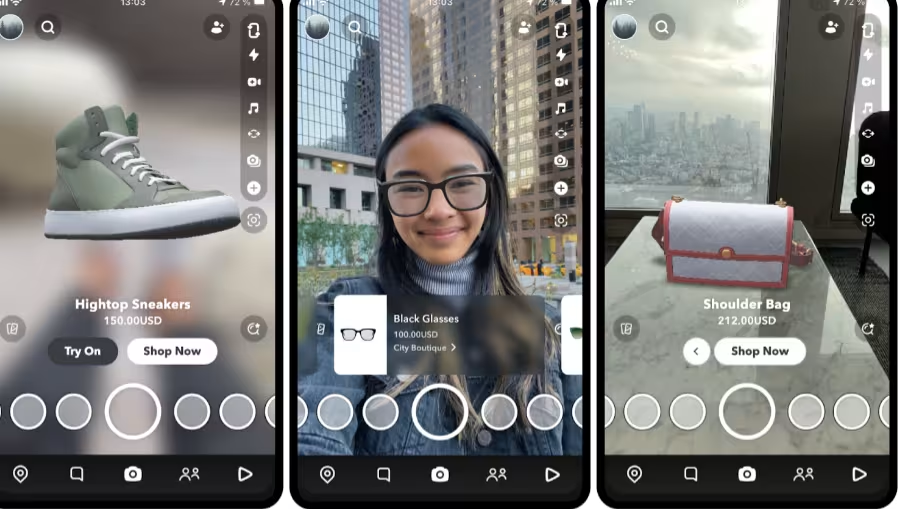
Snapchat AR branded lenses are interactive filters that use augmented reality to overlay digital elements onto the real world through a user’s camera. These can include face filters, 3D objects, animations, or even interactive experiences.
Unlike traditional ads, lenses allow users to engage directly with a brand. They can try on products, interact with visual elements, and share their experience with others.
Why AR lenses are powerful for brands
AR lenses stand out because they combine entertainment with marketing. They help brands:
- Capture attention instantly
- Increase user engagement
- Encourage social sharing
- Create memorable brand experiences
- Drive product discovery
When users share a branded lens, they are essentially promoting the brand organically, which increases reach without additional ad spend.
Why Brands Should Use Snapchat AR Lenses
Snapchat AR lenses offer brands a powerful way to move beyond traditional advertising and create interactive, immersive experiences that capture attention instantly. Instead of simply viewing content, users actively engage with it—trying products, exploring features, and sharing their experiences with others. This level of interaction not only increases engagement but also makes the brand more memorable and relatable.
For ecommerce businesses, this is especially valuable. AR lenses help bridge the gap between online browsing and real-world experience, making it easier for customers to visualize products before purchasing. This leads to higher engagement, stronger brand recall, and a greater likelihood of conversions.
Higher engagement than traditional ads
Interactive content naturally performs better than static ads. Users are more likely to:
- Spend time engaging with AR
- Share the experience
- Remember the brand
Strong appeal to younger audiences
Snapchat’s user base is heavily skewed toward younger demographics who are comfortable with AR experiences. This makes it ideal for brands targeting:
- Gen Z
- Millennials
- Social-first consumers
Enhanced product visualization
AR lenses allow users to see how products look or feel in real life. This is especially useful for:
- Beauty products
- Fashion accessories
- Home decor items
For Spocket sellers, this creates an opportunity to showcase products in a more interactive way, improving conversion rates.
Step-by-Step Process to Create Snapchat AR Branded Lenses
Creating a successful Snapchat AR branded lens involves more than just designing a visual effect—it requires a structured approach that combines strategy, creativity, and execution. From defining clear objectives to choosing the right tools, designing interactive experiences, and optimizing performance after launch, each step plays a crucial role in ensuring the lens delivers real impact.
The following steps will guide you through the complete process, helping you build AR experiences that are not only engaging but also aligned with your brand goals.
1. Define Your Objective Before Creating a Lens
Creating an AR lens without a clear goal often leads to poor results.
Common objectives for branded lenses
Before you start designing, decide what you want to achieve:
- Increase brand awareness
- Promote a new product
- Drive engagement and shares
- Encourage user-generated content
- Boost conversions
Align the lens with your marketing strategy
Your AR lens should not exist in isolation. It should fit into a broader campaign, such as:
- Product launches
- Seasonal promotions
- Influencer collaborations
- Social media campaigns
A clear objective ensures your lens delivers measurable results.
2. Choose the Right Tool for Creating AR Lenses
Snapchat provides tools that cater to different levels of expertise.
Lens Studio for advanced creation
Lens Studio is a powerful desktop application designed for creating custom AR experiences. It allows you to:
- Build fully customized lenses
- Add 3D models and animations
- Use face and object tracking
- Create interactive effects
This is ideal for brands that want complete creative control or unique experiences.
Web-based builders for simplicity
If you’re new to AR, web-based tools offer a simpler alternative.
These tools typically:
- Use pre-designed templates
- Require minimal technical skills
- Allow quick customization
- Enable faster deployment
They are perfect for testing AR campaigns without heavy investment.
3. Design an Engaging AR Experience
The design of your lens determines its success.
Focus on user interaction
A good AR lens is not just visually appealing—it’s interactive. Encourage users to:
- Tap the screen
- Move their face or camera
- Engage with animations
- Explore different effects
Keep it simple and intuitive
Users should understand how to use the lens instantly. Avoid:
- Overcomplicated designs
- Too many elements
- Confusing interactions
Make it shareable
The best lenses are the ones people want to share. To achieve this:
- Add fun or surprising elements
- Create visually appealing effects
- Encourage social interaction
4. Integrate Branding Naturally
Branding is important, but it should not feel forced.
Subtle branding works best
Instead of overwhelming users with logos, focus on:
- Brand colors
- Design elements
- Product integration
Make the product part of the experience
For example:
- A beauty brand can offer virtual makeup try-ons
- A fashion brand can showcase accessories
- A home brand can visualize decor in real spaces
This approach feels more authentic and engaging.
5. Add Advanced Features to Stand Out
To create a memorable experience, consider adding advanced features.
- Face tracking: Apply effects based on facial movements.
- 3D objects: Showcase products in a realistic way.
- Gamification: Add mini-games or challenges to increase engagement.
- Interactive elements: Allow users to interact with objects or animations.
These features make the lens more immersive and increase user retention.
6. Test Your Lens Before Launch
Testing is a critical step that should not be skipped.
What to test
Ensure your lens performs well across:
- Different devices
- Various lighting conditions
- Multiple user interactions
Why testing matters
Testing helps:
- Identify bugs
- Improve usability
- Enhance performance
A smooth experience increases user satisfaction and engagement.
7. Launch and Promote Your AR Lens
Creating a lens is only part of the process. Promotion is equally important.
Launch strategies
Consider launching your lens as part of:
- A product campaign
- A seasonal event
- A social media challenge
Promotion methods
To maximize reach:
- Collaborate with influencers
- Encourage user-generated content
- Share across social platforms
- Use paid ads
The more visibility your lens gets, the higher its impact.
8. Measure Performance and Optimize
After launching your lens, track its performance to understand its effectiveness.
Key metrics to monitor
Focus on:
- Number of lens uses
- Shares and engagement
- Time spent interacting
- Conversion impact
Use insights to improve
Analyze data to:
- Refine future campaigns
- Improve design elements
- Enhance user experience
Continuous optimization is key to long-term success.
How Spocket Brands Can Use Snapchat AR Lenses
For ecommerce brands using Spocket, AR lenses can transform how products are marketed.
- Create virtual try-on experiences: Allow customers to: Try makeup virtually, Preview accessories, Visualize products
- Enhance product discovery: AR lenses make it easier for users to explore products in a fun and interactive way.
- Increase engagement: Interactive content keeps users engaged longer, increasing the chances of conversion.
- Build stronger brand connections: AR experiences create emotional connections, making brands more memorable.
Common Mistakes to Avoid
Even though Snapchat AR lenses can be highly effective, many brands fall short by overlooking key details in execution and strategy. Common mistakes like overcomplicating the design, forcing branding, or launching without proper promotion can reduce engagement and impact. By understanding these pitfalls in advance, brands can create more seamless, enjoyable experiences that resonate with users and deliver better results.
- Overcomplicating the design: Too many elements can confuse users. Keep it simple and focused.
- Ignoring user experience: A lens should be easy to use and intuitive.
- Weak branding: Brand integration should feel natural, not forced.
- Lack of promotion: Even the best lens will fail without proper marketing.
Future of AR in Brand Marketing
AR is not just a trend—it’s the future of digital marketing. Augmented reality is quickly becoming a core part of how brands connect with their audiences, moving beyond novelty into a long-term marketing strategy.
As technology improves, AR experiences are becoming more realistic, accessible, and integrated into everyday shopping journeys. Brands are no longer just experimenting with AR—they are using it to drive engagement, enhance product discovery, and create deeper customer connections.
What to expect
In the coming years, we’ll see:
- More advanced AR experiences
- Better product visualization
- Increased adoption across industries
- Integration with ecommerce platforms
Why early adoption matters
Brands that adopt AR early gain a competitive advantage by:
- Standing out from competitors
- Building stronger customer relationships
- Creating innovative marketing campaigns
Conclusion
Snapchat AR branded lenses are redefining how brands connect with their audience. By turning passive viewers into active participants, they create engaging, memorable experiences that go beyond traditional advertising.
With the right strategy, tools, and design approach, brands of all sizes can leverage AR to boost engagement and drive growth.
For ecommerce businesses, especially those using Spocket, this is an opportunity to enhance product discovery, improve customer experience, and stand out in a crowded market. The key is to focus on creating meaningful, interactive experiences that users genuinely enjoy—and want to share.
Start your dropshipping business today
FAQs about Snapchat AR Branded Lenses
What are Snapchat AR branded lenses?
Snapchat AR branded lenses are interactive augmented reality experiences that allow users to engage with a brand through their camera. They can include face filters, 3D objects, animations, or product try-ons. These lenses turn passive viewers into active participants, making marketing more engaging.
Do I need coding skills to create Snapchat AR lenses?
Not necessarily. While advanced tools allow for deep customization and may require technical knowledge, many beginner-friendly options use templates and simple interfaces. Brands can start small and scale complexity as they gain experience.
How long does it take to create an AR lens?
The timeline depends on complexity. Simple lenses can be created in a few hours using templates, while advanced, fully customized lenses may take days or even weeks. Planning and testing also add to the overall timeline.
How do Snapchat AR lenses help ecommerce brands?
They help customers interact with products before purchasing, such as trying on makeup or visualizing items. This improves engagement, builds confidence in buying decisions, and can increase conversions by making the experience more interactive.
Are Snapchat AR lenses effective for marketing campaigns?
Yes, they are highly effective because they encourage interaction, sharing, and user-generated content. This makes them more engaging than traditional ads and helps brands reach wider audiences organically.


Launch your dropshipping business now!
Start free trial


Related blogs
How to Set Up Automated Order Fulfillment With Spocket and Shopify
Set up a smoother Shopify dropshipping workflow with Spocket by connecting your store, importing products, processing orders, syncing tracking, and reducing manual fulfillment tasks.


How to Open a Business Bank Account for Your Dropshipping Store
Set up your dropshipping finances the right way with a dedicated business bank account built for payouts, supplier payments, taxes, and long-term store growth.
Spocket vs Dropified: Which Tool Is Better for Multi-Store Scaling?
Compare Spocket and Dropified for multi-store dropshipping, supplier quality, automation, fulfillment, product sourcing, and scaling across ecommerce platforms.
