How to Build a Dropshipping Business That Survives 2026’s Market Changes
Discover proven strategies to create a resilient dropshipping business in 2026. Learn how to choose a niche, build a brand, secure suppliers, and scale smartly.

.avif)

The dropshipping landscape is evolving faster than ever. What worked a few years ago — viral products, generic ads, and bulk imports — won’t cut it in 2026. With tighter competition, rising ad costs, smarter customers, and a shifting global supply chain, building a dropshipping business that survives 2026’s market changes requires more than luck. It demands adaptability, strategy, and a future-focused approach.
If you’re still wondering whether dropshipping is dead — it’s not. It’s transforming. The stores that will thrive are the ones embracing automation, sustainability, branding, and smarter supplier management. Platforms like Spocket are already leading this transformation, helping dropshippers connect with verified suppliers, automate fulfillment, and deliver products that customers trust.
In this guide, we’ll break down the exact steps to build a strong, profitable dropshipping business that not only survives 2026’s changes — but thrives through them.
Why the Dropshipping Market Will Change in 2026
The eCommerce market is expected to surpass $7.5 trillion globally by 2026, and dropshipping will play a huge role in this growth. But it’s also becoming more competitive and complex. Let’s look at the key forces reshaping the industry:
1. Consumer Expectations Are Rising
Thanks to Amazon Prime, customers now expect two-day shipping, transparent tracking, and easy returns — even from small brands. Dropshippers relying on long delivery times will lose customers quickly.
2. Ad Costs Are Increasing
Paid advertising — especially on Meta and TikTok — is getting more expensive. Businesses can no longer depend solely on ads for traffic; they need organic strategies, influencer partnerships, and user-generated content to stay profitable.
3. Sustainability Is No Longer Optional
Shoppers are becoming conscious of environmental impact. Brands that highlight eco-friendly suppliers, packaging, and ethical sourcing will attract more loyal customers.
4. AI and Automation Are Changing the Game
Artificial intelligence is streamlining everything from product research to customer support. Dropshippers leveraging AI tools for marketing, analytics, and supplier automation will scale faster with fewer resources.
5. The Shift Toward Branding
Gone are the days of faceless dropshipping stores. Customers now buy from brands they trust. Personalization, storytelling, and consistent branding will separate long-term businesses from short-lived ones.
In short, success in 2026 will come to those who adapt early, embrace automation, and treat dropshipping like a real business — not a quick hustle.
7 Steps to Build a Future-Proof Dropshipping Business in 2026
Dropshipping is no longer about quick profits — it’s about sustainable growth, adaptability, and long-term vision. The eCommerce world in 2026 demands smarter strategies, stronger brands, and better systems. Below are seven essential steps to ensure your dropshipping business not only survives but thrives amid constant market changes.
Step 1: Choose the Right Niche and Business Model
The foundation of a successful dropshipping business in 2026 begins with a laser-focused niche and a well-defined business model. General stores are fading — customers now crave relevance, personalization, and expertise.
Broad “sell everything” approaches used to work, but they’re no longer sustainable. Instead, focus on micro-niches that attract passionate, repeat customers. These audiences are smaller but far more profitable.
Examples of thriving niches
- Eco-friendly home products
- Smart fitness accessories
- Pet wellness items
- Minimalist fashion
- Sustainable kitchenware
Such categories align with major global trends like sustainability and conscious consumerism.
Next, select a dropshipping model that complements your business goals:
- Standard Dropshipping: Ideal for beginners; minimal investment.
- Private Labeling: Create your own branded products using reliable suppliers.
- Print-on-Demand: Customize apparel and accessories for niche audiences.
- High-Ticket Dropshipping: Focus on premium, higher-margin items.
Your goal is to balance profitability, scalability, and long-term value. Choose a niche you understand and a model that suits your resources and ambitions.
Step 2: Build a Brand, Not Just a Store
In the crowded eCommerce space, your brand is your superpower. Customers don’t just buy products anymore — they buy into stories, experiences, and trust.
Start by crafting a consistent brand identity. Your logo, color scheme, and tone of voice should reflect your brand’s personality. Tools like Canva or Shopify’s design templates make this easier.
Then, focus on storytelling — share the “why” behind your business. If you sell eco-friendly products, talk about your mission to reduce waste. People connect emotionally with brands that have purpose.
Lastly, elevate your customer experience. Fast shipping, reliable support, and premium packaging make your store feel professional. With Spocket, you can partner with suppliers offering branded invoices and packaging — turning first-time buyers into loyal fans.
Step 3: Secure Reliable Suppliers and Fulfillment Partners
A dropshipping business is only as strong as its suppliers. They represent your store, your brand, and your reputation in every order delivered.
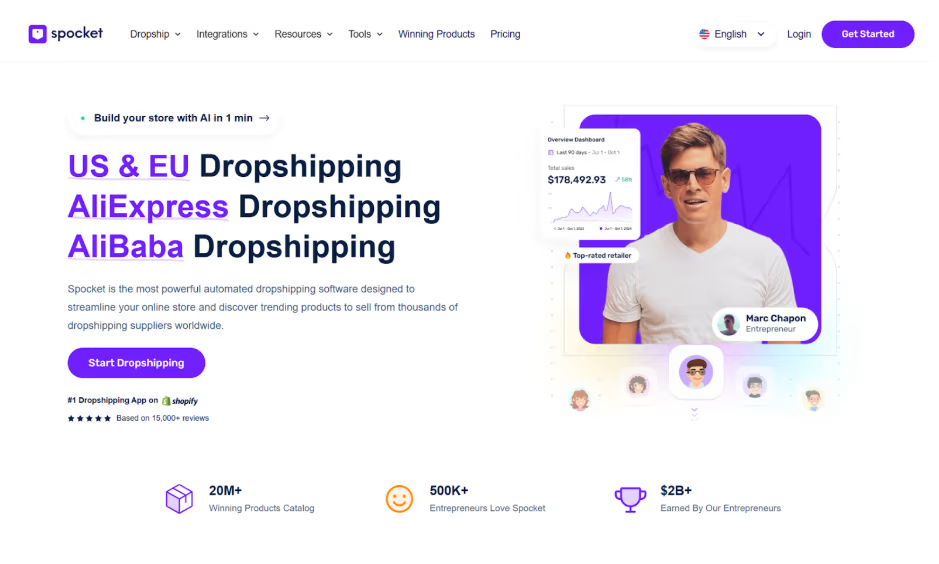
Working with unreliable suppliers can lead to shipping delays, low-quality products, and refund nightmares. Platforms like Spocket simplify this by connecting you to verified US, EU, and global suppliers committed to quality and speed.
Why reliable suppliers matter
- Faster Shipping: Local suppliers deliver within days, not weeks.
- Consistent Quality: Verified vendors maintain product standards.
- Fewer Refunds: Reliable fulfillment means fewer disputes.
- Transparent Pricing: Real-time pricing helps maintain healthy margins.
Diversify your supply chain to avoid dependency on a single source. If one supplier faces stockouts or shipping issues, you’ll have alternatives. Before adding products, always order samples — this helps you check packaging, delivery speed, and quality firsthand.
Step 4: Optimize for Customer Experience and Retention
In 2026, customer retention will be the biggest differentiator between average and thriving dropshipping stores. Loyal customers spend more, return often, and market your brand through word of mouth.
Start by improving your shopping experience — make your website fast, mobile-friendly, and visually clean. Use trust badges and clear refund policies to build credibility.
Then, nurture relationships after the sale. Send thank-you emails, ask for feedback, and offer loyalty points or exclusive discounts. Small gestures go a long way toward building community and trust.
Consider adding subscription boxes or bundle offers. These models generate recurring income and simplify inventory management.
Finally, keep your promises. If your brand highlights eco-friendly packaging or fast shipping, ensure your suppliers deliver. With Spocket’s verified suppliers, maintaining reliability becomes effortless.
Step 5: Master Marketing and Channel Strategy for 2026
Marketing is evolving beyond paid ads — it’s about storytelling, engagement, and authenticity. The brands that dominate in 2026 will be those that connect emotionally and socially with their audience.
Harness the power of social commerce. Platforms like Instagram, TikTok, and YouTube Shorts allow direct product tagging and in-app shopping. Create authentic videos showing real product use or customer reactions.
Collaborate with micro-influencers. They offer higher engagement and trust compared to mega influencers. Partner with them through affiliate programs or gifting campaigns.
Don’t forget organic growth. Write SEO-rich blog posts, guides, or product tutorials to attract consistent traffic. For instance, a pet accessories store can post “Best Interactive Toys for Puppies in 2026.”
Finally, use data analytics to track performance. Tools like Shopify Analytics, Meta Ads Manager, and Google Analytics reveal which campaigns and products bring the best ROI.
Step 6: Automate Operations and Leverage Technology
Automation isn’t just convenient — it’s the backbone of scalability. In 2026, successful dropshipping businesses will rely on AI and smart tools to streamline operations.
Manual processes limit growth. Automation frees up time for strategy and creativity.
Use automation to
- Sync inventory and pricing in real-time with Spocket.
- Automatically forward orders to suppliers to reduce human error.
- Update tracking numbers instantly for customers.
Leverage AI tools for
- Writing product descriptions and marketing emails.
- Predicting trending products or price shifts.
- Managing support through chatbots and virtual assistants.
Integrate your Shopify store with marketing tools (like Klaviyo or Omnisend) for seamless communication and analytics. A connected system ensures smooth, error-free operations even as your sales grow.
Step 7: Stay Agile and Future-Proof Your Business
The eCommerce landscape shifts constantly. Agility and innovation are what separate long-term winners from short-term sellers.
Keep a pulse on trends by monitoring Spocket’s trending products, Google Trends, and social media platforms. When you spot new opportunities early, you can adapt before your competitors.
Stay flexible with pricing and sourcing — global events, tariffs, or policies can impact your business overnight. Adjust quickly to maintain profitability.
Reinvest profits into branding, packaging, and customer service to keep your store evolving.
And remember to think globally, act locally. With Spocket’s global supplier base, you can cater to regional audiences, tailor marketing to cultural preferences, and provide faster local deliveries.
Embrace Data-Driven Growth and Sustainable Practices
The future of dropshipping belongs to those who make informed decisions and operate with long-term responsibility. In 2026, sustainability and analytics won’t be buzzwords — they’ll be business essentials. Data helps you understand customer behavior, while sustainable practices build trust and loyalty with conscious consumers.
As competition rises, running your business based on guesswork is no longer enough. The most successful dropshippers in 2026 will rely on real-time analytics and eco-conscious operations to guide every move.
Start by tracking metrics that matter:
- Conversion rates: Know how well your store turns visitors into buyers.
- Customer lifetime value (CLV): Identify and retain high-value customers.
- Product performance: Focus your ad spend on best-sellers and cut underperforming products.
- Supplier efficiency: Measure shipping times, refund rates, and feedback quality.
Platforms like Spocket already make this easier with real-time inventory tracking, supplier performance data, and integrated analytics — giving you clear visibility into how each partnership impacts your store’s success.
At the same time, prioritize sustainable sourcing and eco-friendly fulfillment. Partner with suppliers offering recyclable packaging, ethically made products, or carbon-neutral shipping options. Shoppers increasingly prefer brands that align with their values, and Spocket’s curated eco-conscious suppliers help you meet that demand.
Combining data and sustainability gives you a dual advantage — smarter growth and a stronger reputation. It positions your store not just as another seller, but as a forward-thinking brand built to last beyond 2026.
Conclusion
The future of dropshipping isn’t uncertain — it’s full of opportunity for those who adapt early. As we approach 2026, the brands that thrive will be the ones that embrace automation, sustainability, and smart supplier partnerships. The key to long-term success isn’t chasing short-term wins but building a business that evolves with market changes.
By choosing the right niche, developing a strong brand identity, leveraging data, and automating operations, you set a foundation that can weather any economic shift or consumer trend. Most importantly, surround yourself with tools that make scaling simpler and more reliable.
That’s where Spocket comes in — your ultimate partner in dropshipping success. With its verified global suppliers, fast US/EU shipping, and automation-ready integrations, Spocket empowers you to focus on what truly matters — building your brand, delighting customers, and driving sustainable growth.
Start your future-proof dropshipping journey today with Spocket — and build a business that doesn’t just survive 2026, but thrives beyond it.
Start your dropshipping business today
FAQs About Building a Dropshipping Business
Is dropshipping still profitable in 2026?
Absolutely. Dropshipping continues to be profitable in 2026 — but success depends on adapting to new trends. Instead of competing with generic sellers, focus on building a brand, offering fast shipping through reliable suppliers like Spocket, and targeting specific niches. With the right strategy, dropshipping remains one of the most scalable online business models.
How can I future-proof my dropshipping business?
To future-proof your store, combine automation, sustainability, and strong branding. Use tools like Spocket for real-time inventory syncing, verified suppliers, and localized fulfillment. Diversify your marketing channels, build customer loyalty, and continuously analyze performance data to stay ahead of shifts in consumer behavior.
What types of products will sell best in 2026?
In 2026, eco-friendly, tech-driven, and lifestyle-based products will dominate the market. Examples include smart fitness gear, sustainable home décor, pet wellness products, and personalized fashion. These items align with global consumer trends and perform well when sourced from trustworthy suppliers with fast delivery options.
How can automation help my dropshipping store grow?
Automation saves time, eliminates manual errors, and allows you to scale faster. With Spocket’s automation tools, you can sync orders, update inventory in real time, and automatically send tracking numbers to customers. This ensures accuracy, improves efficiency, and lets you focus on marketing and customer engagement instead of logistics.
What’s the best way to find reliable suppliers for 2026?
The best way to find reliable suppliers is by using a vetted platform like Spocket, which connects you to US, EU, and global suppliers with verified shipping times and quality standards. Always test samples before listing new products, check supplier ratings, and diversify your supplier base to protect your store from disruptions.


Launch your dropshipping business now!
Start free trial


Related blogs
Dropshipping Supplier Directory: Where to Find Vetted Suppliers
Browse our directory of vetted dropshipping suppliers across the US and EU, complete with niches, shipping speed, and pricing. Start your free trial today.

How to Negotiate With Dropshipping Suppliers: 9 Tactics That Actually Work
Learn how to negotiate with dropshipping suppliers on price, MOQs, and payment terms. Proven tactics and email scripts to boost your margins. Try Spocket free.

Is AliExpress Legit? A Safety Check for Buyers and Dropshippers
Is AliExpress legit? Yes, but sellers vary. See how Buyer Protection works, what the EU's 2026 fine means, customs costs, and whether it's safe for dropshipping.