


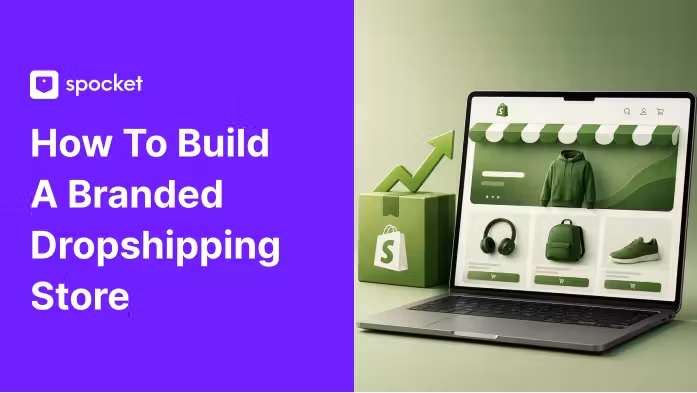
How to Build a Branded Dropshipping Store
Learn how to create a branded dropshipping store with a clear niche, strong identity, reliable suppliers, better product pages, and a customer-first experience.
.avif)

Building a dropshipping store is easier than ever, but building one that customers trust, remember, and buy from again takes more strategy. Many beginners create stores that look the same: random products, copied descriptions, heavy discounts, and no clear brand identity. These stores may get a few sales, but they rarely build long-term value.
A branded dropshipping store works differently. It gives your ecommerce business a clear personality, a focused niche, and a customer experience that feels intentional. Instead of selling anything that looks trendy, you sell products that fit a specific audience and brand promise.
In this guide, you will learn how to build a branded dropshipping store from the ground up, including choosing a niche, creating a brand identity, selecting products, working with reliable suppliers, improving your website, and creating a better customer experience.
What Is a Branded Dropshipping Store?
A branded dropshipping store is an ecommerce store that uses the dropshipping model while building its own brand identity, customer experience, and market positioning. The supplier handles inventory and shipping, but the customer interacts with your store as the brand.
In traditional dropshipping, many sellers focus only on finding trending products and running ads. The store may have no clear identity, no consistent product theme, and no reason for customers to return.
A branded dropshipping store focuses on creating a complete shopping experience. It has a clear niche, a consistent look, original product descriptions, strong messaging, and products that feel connected.
The second approach is more memorable because customers can immediately understand what the brand stands for.
A branded dropshipping store usually includes:
- A specific niche and target customer
- A clear brand name and message
- Consistent visuals and tone of voice
- Curated products that fit the brand
- Original product descriptions
- Reliable suppliers
- Strong customer support
- Clear shipping and return policies
- Branded packaging or inserts when possible
Branding helps your store feel trustworthy instead of temporary.
Why Branding Matters in Dropshipping
Branding gives your store a reason to exist beyond selling the same products as everyone else. When customers see similar items across different websites, they often choose the store that feels more reliable, polished, and relevant to them.
A generic store usually competes on price. A branded store competes on trust, experience, and connection.
This matters because customers are more careful now. They compare products, read reviews, check shipping times, and judge whether a store feels real before placing an order. If your website looks random or unfinished, they may leave even if the product is good.
Branding can help you:
- Build trust with first-time visitors
- Make products feel more valuable
- Create a consistent shopping experience
- Improve customer loyalty
- Increase repeat purchases
- Reduce dependence on one winning product
- Build long-term business value
Branding does not mean pretending to be a luxury company. It means being clear, consistent, and customer-focused.
If your store promises premium quality, your products and support should match that. If your brand is playful and affordable, the website, product pages, and emails should reflect that personality.
The goal is to make customers feel like they are buying from a real business, not just a random online store.
How to Build the Foundation of a Branded Dropshipping Store
Before you design your logo, add products, or launch ads, you need to build a strong foundation for your branded dropshipping store. This foundation includes your niche, target audience, brand positioning, product selection, supplier quality, store experience, pricing, and customer journey. When these elements work together, your store feels intentional instead of generic, helping customers trust your brand and remember it after they leave.
1. Choose a Niche That Can Become a Brand
Your niche is the starting point of your branded dropshipping store. It gives your store direction and helps customers understand why your products belong together. Without a clear niche, your store can quickly feel like a random collection of items, which makes it harder to build trust.
Many beginners make the mistake of choosing products first and thinking about branding later. They add whatever seems popular, from pet toys to kitchen tools to fitness products, and hope something sells. This may work for quick testing, but it does not create a memorable store.
A better approach is to start with the customer. Think about who you want to serve and what kind of products would genuinely help them. Instead of choosing a broad category like “home products,” you could focus on space-saving home essentials for small apartments, modern pet products for dog parents, eco-friendly kitchen tools, or travel accessories for frequent flyers.
A focused niche makes everything easier. Your product descriptions become more specific, your ads feel more relevant, your website looks more consistent, and your content has a clear direction.
2. Understand Your Ideal Customer
A branded store is not built for everyone. It is built for a specific type of customer with specific needs, preferences, and buying habits. The more clearly you understand this customer, the easier it becomes to create a store that speaks directly to them.
Start by asking simple but important questions:
- Who is this customer?
- What problem are they trying to solve?
- What products do they already buy?
- Do they care more about price, quality, design, convenience, speed, or sustainability?
- What kind of brands do they already trust?
For example, “pet owners” is too broad. “Busy dog owners living in small apartments” is much clearer. This audience may care about compact products, easy cleaning, odor control, durable materials, and stylish designs that do not make their home look cluttered.
Once you know your ideal customer, your brand becomes easier to shape. You can choose better products, write better copy, and create a store experience that feels made for them.
3. Pick a Niche With Room to Grow
A strong niche should not depend on one product. If your entire store is built around a single trending item, growth becomes risky. Trends can fade, ad costs can rise, and competitors can copy your product quickly.
Choose a niche that gives you room to expand into related products, bundles, collections, and content. For example, a pet travel brand could start with a portable water bottle and later add car seat covers, travel bowls, leash pouches, waste bag holders, and travel beds.
Before finalizing your niche, ask yourself:
- Can I sell multiple related products?
- Can customers come back for more?
- Can I create helpful content around this niche?
- Is there enough demand?
- Can I make this store feel different from competitors?
The best niche is focused but not limiting. It should be specific enough to stand out, but broad enough to grow.
4. Define Your Brand Positioning
Brand positioning explains what your store stands for and why customers should choose it. It gives your brand a clear place in the customer’s mind.
Without positioning, your store may look nice but still feel forgettable. With positioning, every decision becomes easier, from product selection to homepage copy to social media content.
Your positioning should answer four questions:
- Who is this brand for?
- What problem does it solve?
- What makes it different?
- What feeling should customers associate with it?
For example, “we sell fitness products” sounds generic. A stronger version would be, “We help busy people build simple home workout routines with compact fitness gear.” This tells customers who the brand serves, what it offers, and why it matters.
5. Create a Simple Brand Promise
Your brand promise is the main benefit customers can expect from your store. It should be short, clear, and believable. You do not need complicated wording. You need a message that helps customers quickly understand your value.
Examples include:
- Modern pet essentials for everyday comfort
- Simple home products for calmer living
- Travel accessories that make packing easier
- Baby essentials designed for stress-free parenting
- Fitness tools for small-space workouts
A good brand promise becomes the filter for your entire store. If a product, design choice, or marketing message does not support that promise, it probably does not belong.
6. Build a Strong Brand Identity
Your brand identity is how your store looks and sounds. It includes your name, logo, colors, fonts, product images, descriptions, emails, and overall tone.
A strong identity helps customers recognize your store and feel more confident buying from it. Your brand does not need to look expensive, but it should look consistent.
Choose a name that is easy to remember, easy to spell, and relevant to your niche. Avoid names that sound too generic or limit future growth. Then build a simple visual system with two or three main colors, one or two fonts, a clear logo style, and consistent product imagery.
Your brand voice matters too. A baby product store may sound warm and reassuring. A fitness brand may sound energetic and direct. A home decor brand may sound calm and polished. Whatever voice you choose, keep it consistent across product pages, emails, FAQs, social posts, and customer support.
7. Curate Products That Match Your Brand
Product curation is one of the biggest differences between a branded dropshipping store and a generic one. You should not add products just because they are trending. Every product should match your niche, customer, and brand promise.
Before adding a product, ask:
- Does this product fit my niche?
- Would my ideal customer want it?
- Does it solve a real problem?
- Does it match my brand style?
- Can I write strong, original copy for it?
- Does it pair well with other products?
Start with a small, focused collection instead of hundreds of products. Choose one or two hero products, a few supporting items, related accessories, and bundles that make sense together. A smaller catalog is easier to manage, easier to brand, and easier for customers to shop.
You can also create collections based on customer intent, such as “New Dog Parent Essentials,” “Work-From-Home Comfort Picks,” “Travel Must-Haves,” or “Small Apartment Favorites.” These feel more useful than basic categories because they match how customers think.
8. Work With Reliable Suppliers
Your supplier plays a major role in your brand experience. Even if customers never see the supplier’s name, they experience the supplier through product quality, packaging, shipping speed, and delivery reliability.
A beautiful website cannot fix poor fulfillment. If orders arrive late, damaged, or different from the product photos, customers will blame your brand.
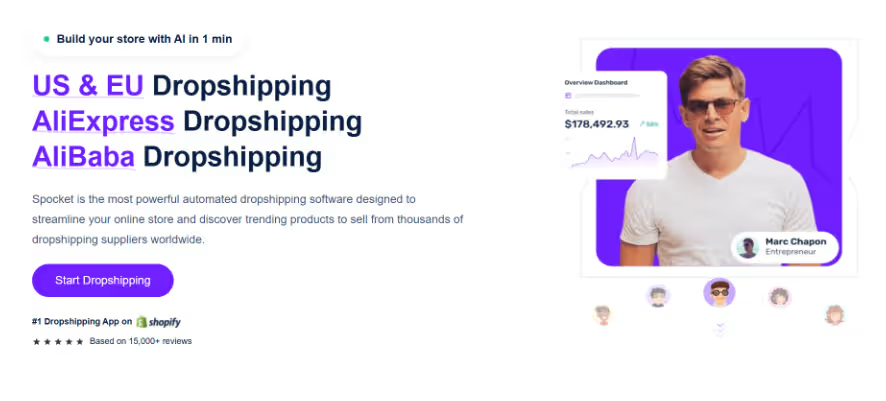
Look for suppliers that offer good product quality, accurate images, clear product details, consistent inventory, tracking information, responsive communication, and reasonable shipping times. This is where Spocket can support branded dropshipping by helping store owners source quality products from reliable suppliers, including suppliers from regions such as the US and Europe.
Before scaling any product, order samples. Check the quality, material, size, color, packaging, delivery time, and whether the product matches the listing. If you would not feel comfortable selling it under your brand name, do not add it to your store.
9. Design a Store That Builds Trust
Your website should make customers feel confident from the first visit. A branded dropshipping store should look clean, focused, and easy to navigate.
Your homepage should quickly explain what you sell, who it is for, and why customers should trust you. Include a clear headline, short brand message, featured collections, best-selling products, benefits, reviews, shipping highlights, and a short brand story.
Product pages should also feel complete. Add benefit-focused titles, clear images, practical descriptions, key features, sizing details, shipping information, FAQs, reviews, and related products. Do not copy supplier descriptions. Rewrite them in your own voice and explain how the product fits into the customer’s life.
Also include trust pages such as About Us, Contact Us, Shipping Policy, Return and Refund Policy, Privacy Policy, FAQs, and Track Order. These pages show customers that your store is real, transparent, and ready to support them.
10. Create a Better Customer Experience
Branding continues after checkout. Customers should feel informed, supported, and valued from the moment they place an order until after the product arrives.
Be clear about processing time, delivery estimates, tracking details, shipping regions, return rules, and support options. Unclear shipping information is one of the fastest ways to lose trust.
Use branded emails for order confirmation, shipping updates, delivery notifications, review requests, product care tips, and follow-up recommendations. Keep the tone consistent with your brand, and avoid robotic messages.
Customer support should also reflect your brand. Be friendly, clear, honest, and helpful. If there is a delay, explain it. If a customer needs help, guide them properly. A good support experience can turn a problem into a loyal customer.
11. Price Your Products Like a Brand
A branded dropshipping store should not always try to be the cheapest option. If your store offers better curation, clearer product information, reliable suppliers, useful content, and helpful support, you can price based on value.
Before setting prices, calculate your true costs, including product cost, shipping, platform fees, payment fees, marketing, apps, refunds, packaging, discounts, and customer support. Healthy profit margins are important if you want to build a sustainable store.
You can also use bundles to increase average order value. Starter kits, gift sets, travel sets, routine bundles, and product-plus-accessory bundles make the shopping experience easier while helping customers buy more.
When your niche, products, suppliers, pricing, and customer experience all support the same brand promise, your dropshipping store starts to feel like a real brand instead of another generic online store.
Common Mistakes to Avoid
Building a branded dropshipping store takes focus. Avoiding common mistakes can save time, money, and customer trust.
- Selling Random Products: A random catalog makes your store feel generic. Keep your products connected to your niche and customer.
- Copying Supplier Descriptions: Copied descriptions weaken your brand. Rewrite product pages in your own voice with clear benefits and use cases.
- Ignoring Product Quality: Poor products damage trust quickly. Always check samples before scaling.
- Overusing Discounts: Constant discounts can make your store feel cheap. Use offers strategically instead of making everything look permanently on sale.
- Hiding Shipping Details: Unclear shipping creates frustration. Be transparent from the beginning.
- Forgetting Post-Purchase Experience: The customer journey does not end at checkout. Emails, tracking updates, packaging, and support all affect whether customers return.
Final Thoughts
Building a branded dropshipping store is about creating something customers can trust and remember. It is not only about adding a logo or choosing better colors. It is about having a clear niche, consistent messaging, curated products, reliable suppliers, strong product pages, and a customer experience that feels intentional.
Generic dropshipping may help you test ideas quickly, but branding helps you build long-term value. When your store has a clear identity, customers are less likely to compare you only on price. They understand who you serve, what you offer, and why your products matter.
Start with a focused niche. Define your brand promise. Choose products that fit your audience. Work with reliable suppliers through platforms like Spocket. Then improve every touchpoint, from your homepage and product pages to emails, packaging, and support.
That is how you turn a dropshipping store into a real brand.
Start your dropshipping business today
FAQs About Building a Branded Dropshipping Store
What is a branded dropshipping store?
A branded dropshipping store is an ecommerce store that sells products without holding inventory, while creating its own brand identity, niche, customer experience, and positioning. Instead of looking like a generic store with random products, it feels focused, trustworthy, and built for a specific audience.
How do I choose the right niche for a branded dropshipping store?
Choose a niche that is specific enough to stand out but broad enough to grow. Focus on a clear customer group, their problems, and the types of products they would buy repeatedly. For example, instead of choosing “pet products,” you could focus on modern pet essentials for apartment dog owners.
Can I build a branded dropshipping store without custom packaging?
Yes, you can start without custom packaging. Focus first on product quality, reliable suppliers, strong product pages, clear branding, and good customer service. As your store grows, you can add thank-you cards, branded inserts, logo stickers, neutral packaging, or custom packaging.
Why is supplier quality important for branded dropshipping?
Supplier quality directly affects your brand reputation. Customers judge your store based on the product they receive, delivery time, packaging, and overall experience. Using reliable suppliers through platforms like Spocket can help you offer better products and create a more trustworthy branded shopping experience.
Is branded dropshipping better than regular dropshipping?
Branded dropshipping is usually better for long-term growth because it helps you build trust, improve customer loyalty, and stand out from generic stores. Regular dropshipping may work for short-term product testing, but branded dropshipping gives your store a stronger identity and more room to scale.


Launch your dropshipping business now!
Start free trial


Related blogs
Dropshipping Supplier Directory: Where to Find Vetted Suppliers
Browse our directory of vetted dropshipping suppliers across the US and EU, complete with niches, shipping speed, and pricing. Start your free trial today.

How to Negotiate With Dropshipping Suppliers: 9 Tactics That Actually Work
Learn how to negotiate with dropshipping suppliers on price, MOQs, and payment terms. Proven tactics and email scripts to boost your margins. Try Spocket free.

Best Clothing Dropshipping Suppliers: The 2026 Guide
Compare the best clothing dropshipping suppliers for 2026 — US/EU shipping speeds, pricing, and product quality — and find the right fit to launch your store.
