Viscose Fabric: What It Is, How It's Made, and What to Know Before You Sell It
What is viscose fabric? Learn how it's made, its pros, cons, sustainability, and how to source quality viscose products for your online store.

.avif)

Viscose fabric is a semi-synthetic textile made by dissolving wood pulp cellulose, usually from beech, pine, or eucalyptus trees, and re-spinning it into soft, silk-like fibers. It isn't fully natural like cotton, and it isn't fully synthetic like polyester either. It sits in the middle, which is exactly why so many people search for a straight answer on what it actually is.
If you've ever checked a clothing tag and wondered whether "100% viscose" means you're getting a natural fiber or a lab creation, you're not alone. This guide breaks down what viscose fabric is, how it compares to cotton, polyester, and silk, whether it's actually sustainable, and (if you're building a clothing brand or dropshipping store) how to source it without getting stuck with a poor-quality batch.
What is Viscose Fabric?
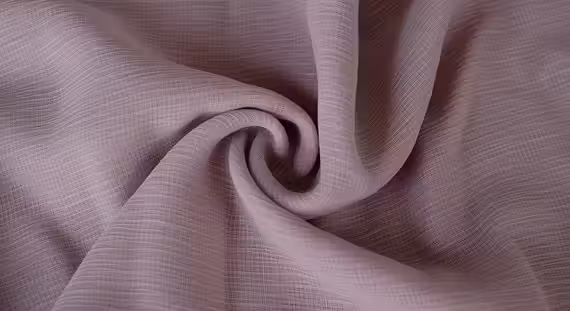
Viscose is a semi-synthetic fabric. It is made from cellulose extracted from wood pulp. Common sources include beech, pine, and eucalyptus trees. The cellulose is dissolved and re-spun into soft, silk-like fibers. Before deciding whether to wear it, wash it, or stock it in your store, it helps to know exactly where viscose comes from. That single fact explains almost everything else about it: why it feels the way it does, why it's priced the way it is, and why its environmental reputation is so mixed.
Where Viscose Fabric Came From
Viscose was invented in the late 1800s as a cheaper alternative to silk. By 1905, it was in commercial production across Europe, marketed as "artificial silk." It wasn't just a knockoff, though. Viscose had (and still has) a character of its own: soft, glossy, and fluid, without silk's price tag or high-maintenance care requirements.
How Viscose Fabric Is Made
Here's the part that surprises most people: viscose comes from trees. Manufacturers extract cellulose from wood pulp, then treat it with chemicals, including carbon disulfide and sodium hydroxide, to break it down and re-form it into a fiber. The result is a fabric that behaves like a natural material but has been through a fairly intensive chemical process to get there. That chemical step is also the reason viscose sits in its own "semi-synthetic" category instead of being classed as fully natural.
Viscose vs Rayon vs Modal vs Lyocell
This is where most people get confused, and it's a fair question since these terms get used almost interchangeably in stores.
Technically, viscose is a type of rayon, but not all rayon is viscose. Rayon is the umbrella term for any regenerated cellulose fiber, and viscose is simply the most common version of it.
- Viscose: the original, most widely used version. Affordable and drapey, but not very durable.
- Modal: made from beech trees using a refined process. Softer and more shrink-resistant than viscose.
- Lyocell (branded as TENCEL™): made in a closed-loop process that recycles most of its chemicals. Stronger, more breathable, and the most sustainable of the three.
If sustainability is your priority, lyocell is generally the better call. If you want that silky drape at a lower cost, viscose is still the practical choice, and it's why it remains a mainstay in affordable fashion.
Viscose vs Cotton vs Polyester vs Silk: Which Fabric Actually Wins?
Most people don't just want to know what viscose is. They want to know how it stacks up against the fabrics they already know. Here's a direct, side-by-side answer.
The short version: viscose gives you a silk-like feel at a fraction of the price, but it can't match cotton's durability or polyester's wrinkle resistance. If a customer wants something breathable and elegant for warm weather, viscose is a strong pick. If they need something that survives daily wear and tear, cotton or a viscose blend is the safer recommendation.
Is Viscose Fabric Good or Bad? Pros and Cons
There's no single right answer here since it depends entirely on what the fabric needs to do. Viscose has real strengths, but its weaknesses are just as real, and it's worth knowing both before you buy it or sell it.
Where Viscose Fabric Shines
- Silky feel at a lower price. It mimics silk's texture without the luxury markup.
- Excellent drape. It hangs beautifully, which is why it shows up so often in wrap dresses and flowy skirts.
- Breathable and cool. It doesn't trap heat the way polyester does, so it works well in warm climates.
- Takes dye exceptionally well. Expect richer, more vivid colors than most natural fabrics.
- Versatile. Works on its own for summer pieces or blended with wool and polyester for cooler-weather garments.
Where Viscose Fabric Falls Short
- Weak when wet. It loses strength when soaked, so rough handling during washing can stretch or tear it.
- Shrinks easily. Heat, whether from a wash or a dryer, is its biggest enemy. This is the top concern behind the "does viscose fabric shrink" search, and yes, it does if you're not careful.
- Wrinkles fast. Even a short wear can leave visible creases.
- Heat-sensitive. A hot iron can scorch it, so low-heat settings are non-negotiable.
- Not the most durable. Without a blend, it tends to pill and fade faster than cotton or polyester over repeated washes.
Types of Viscose Fabric You'll Come Across
Not all viscose is the same, and knowing the variations helps you tell a well-made piece from a cheap one.

- Viscose crepe: slightly crinkled texture with a matte finish, popular for dresses and blouses.
- Viscose satin: glossy and smooth, closely mimicking real silk for eveningwear.
- Viscose jersey: knit into a stretchy, soft fabric, common in T-shirts and everyday basics.
- Bamboo viscose: made from bamboo pulp instead of tree pulp; soft, absorbent, and often used in baby clothing.
- Blended viscose: combined with cotton for durability, polyester for wrinkle resistance, or elastane for stretch. Most viscose garments you'll find on the market today are actually a blend, not pure viscose.
Is Viscose Fabric Sustainable? The Honest Answer
This is one of the most searched, and most misunderstood, questions about viscose. "Made from trees" sounds automatically eco-friendly, but the reality is more layered than that.
Viscose comes from wood pulp, but that pulp doesn't always come from responsibly managed forests. According to Canopy, a forest conservation nonprofit that tracks the man-made cellulosic fiber industry, its 2024 Hot Button Report found that 71% of rated global fiber producers earned a positive sustainability rating, representing 53% of global viscose, rayon, and lyocell supply. That's genuine progress, but it also means close to half the global supply still comes from producers who haven't cleaned up their sourcing.
The manufacturing process itself is the other half of the story. Turning wood pulp into fiber requires chemical treatment, including carbon disulfide, which can pollute water and air when factories aren't well regulated.
What actually makes viscose more sustainable:
- Closed-loop production, where chemicals are recovered and reused instead of discharged, as used in Lenzing™ ECOVERO™ and TENCEL™ Lyocell.
- Certifications like FSC (Forest Stewardship Council), OEKO-TEX, and CanopyStyle commitments, which confirm responsible forest sourcing.
- Recycled viscose alternatives, such as Circulose®, which use textile waste instead of virgin wood pulp.
If sustainability matters to your brand or your customers, checking for these certifications on a supplier's product sheet is the fastest way to verify a genuine claim instead of a marketing one.
A freshness note for anyone sourcing from overseas: as of August 2025, the US formally suspended the de minimis exemption that previously let low-value imports (including many apparel shipments) enter duty-free. That means viscose garments imported in bulk from overseas suppliers, even in small individual orders, are now subject to duties and formal customs processing. If you're building a clothing store, this is exactly why sourcing from suppliers with US or EU-based inventory (rather than importing every order individually) has become more cost-predictable for margins.
The global viscose rayon fiber market was valued at roughly $9.59 billion in 2025 and continues to grow, driven largely by rising demand in apparel and home textiles. That growth is exactly why understanding the fabric, its real environmental profile, and how to source it responsibly matters more now than it did five years ago.
Start your dropshipping business today
Start Dropshipping Clothes with Spocket
How to Wash, Dry, and Care for Viscose Fabric
Viscose feels effortless to wear, but it needs a gentler hand than most fabrics in your closet.
- Washing: hand-wash in cold or lukewarm water with a gentle detergent. If using a machine, choose the delicate cycle and a mesh laundry bag. Never twist or wring it; press out excess water instead.
- Drying: always air dry. Lay flat or hang carefully. Skip the dryer entirely, since heat is what causes shrinkage.
- Ironing: use a low-heat setting, iron inside-out, or use a steamer to avoid scorching.
- Storage: hang pieces prone to wrinkling; fold knits to avoid stretching. Store in a cool, dry space.
- Check the label first. Some viscose blends and finishes are dry-clean only, and skipping that instruction can ruin the garment.
Sourcing Viscose Fabric for Your Online Store
If you're reading this as a shopper, the sections above cover what you need. If you're building or running a clothing brand, this is the part that actually affects your margins and your return rate.
What to Check Before You List a Viscose Product
Viscose is one of the more failure-prone fabrics to source blind, because its weaknesses (shrinking, weakening when wet, pilling) show up fast if the manufacturing quality is poor. Before adding a viscose item to your catalog:
- Ask for the exact fiber composition. "Viscose blend" can mean anywhere from 30% to 95% viscose. That difference changes how the garment washes, drapes, and holds up.
- Request a sample order first. A quick wash test tells you more about shrinkage and colorfastness than any spec sheet.
- Check for certifications (OEKO-TEX, FSC, CanopyStyle) if your brand markets itself as sustainable. Customers increasingly check for these before buying.
- Read the supplier's return and defect policy. Fabric-related returns are common with viscose, so know how they're handled before you commit.
Why Viscose Needs a More Careful Supplier Check Than Most Fabrics
Because viscose is genuinely weaker when wet and more prone to shrinkage than cotton or polyester, a poorly manufactured batch turns into customer complaints fast: garments that shrink after the first wash, colors that bleed, or seams that give out. For a dropshipping or private-label store, that translates directly into refund requests and negative reviews, both of which are harder to recover from than almost any other product issue.
This is exactly where supplier quality becomes the deciding factor, more than the fabric itself.
Finding Verified Viscose and Fabric Suppliers
If you're sourcing clothing that uses viscose, whether for a private-label line or a curated dropshipping store, working with suppliers who are vetted for quality (not just cheap) matters more here than with almost any other fabric.
Spocket connects online sellers with vetted suppliers based primarily in the US and EU, which means faster shipping, more consistent quality control, and easier accountability if a batch doesn't meet spec compared to sourcing blind from an overseas marketplace. If you're deciding between building a private label clothing line or starting with print-on-demand apparel, fabric quality control is one of the biggest factors that separates a store that scales from one that drowns in returns.
If you're specifically building out a women's clothing dropshipping store or exploring sustainable fashion as a niche, viscose and its certified variants (like TENCEL™ or ECOVERO™) are worth stocking precisely because they let you market a genuinely differentiated, breathable product line without the sourcing guesswork.
Conclusion: Is Viscose Worth Wearing or Selling?
Viscose is a bit of a paradox. It feels like luxury, costs like fast fashion, and sits in a gray area between natural and synthetic. It's beloved for its softness, drape, and breathability, but it comes with real trade-offs in durability and environmental impact.
For shoppers, the answer is simple: buy it, care for it gently, and check for certifications if sustainability matters to you.
For sellers, the answer depends entirely on your supplier. Viscose done well (certified sourcing, tested samples, transparent fiber composition) can be a genuinely strong addition to a clothing store's catalog. Viscose sourced blind is one of the fastest ways to rack up returns.
If you're building a clothing brand and want a supplier network that's already vetted for quality and shipping speed, start a free trial with Spocket and browse verified apparel suppliers before you commit to a single SKU.
FAQs About Viscose Fabric
What is viscose fabric made from?
Viscose is a semi-synthetic fiber made from wood pulp, typically sourced from beech, pine, or eucalyptus trees. The cellulose is chemically treated and re-spun into soft, silk-like fibers.
Is viscose fabric good or bad?
It depends on the use case. Viscose is soft, breathable, and drapes beautifully, but it's weaker when wet, shrinks easily, and wrinkles fast. It's a good choice for lightweight, breathable clothing but a poor choice for anything that needs heavy daily wear.
Is viscose better than cotton or polyester?
Neither is objectively "better." Viscose offers a silkier feel and better drape than cotton, but cotton is far more durable. Compared to polyester, viscose is more breathable but less wrinkle-resistant and less durable.
Is viscose fabric breathable?
Yes. Viscose allows air to circulate and absorbs moisture well, which is why it's a popular choice for warm-weather clothing.
Does viscose fabric shrink?
Yes, especially in warm water or a hot dryer. Hand-washing in cold water and air-drying preserves its size and shape.
Is viscose a sustainable fabric?
It can be, but it isn't automatically. Conventional viscose production can involve deforestation and heavy chemical use. Look for certifications like FSC, OEKO-TEX, or CanopyStyle-committed suppliers, or closed-loop alternatives like TENCEL™ Lyocell, for a genuinely lower-impact option.
Is viscose basically plastic?
No. Unlike polyester, which is derived from petroleum, viscose starts as natural wood cellulose. It goes through a chemical process to become fiber, which is why it's classified as semi-synthetic rather than fully synthetic or fully natural.
How long does viscose fabric last?
Viscose isn't the most durable fabric on its own. It can weaken when wet, wrinkle easily, and fade with repeated washing. Blending it with cotton or polyester, and washing it gently, extends its lifespan considerably.
What's the difference between viscose and rayon?
Viscose is actually a type of rayon; rayon is the umbrella term for any regenerated cellulose fiber. Modal and lyocell are other types of rayon made with more refined, and generally more sustainable, production processes.
Where can I source good quality viscose fabric or clothing for my store?
Look for suppliers who disclose exact fiber composition, provide sample orders, and hold recognized certifications. Platforms like Spocket vet suppliers based primarily in the US and EU, which reduces the quality and shipping risks that come with sourcing viscose products blind from overseas marketplaces.


Launch your dropshipping business now!
Start free trial


Related blogs

AI A/B Testing for Landing Pages
Learn A/B testing for landing pages with AI tools. Improve conversions, test faster, and optimize performance with smart data-driven experiments.


2026 Podcast Monetization Playbook: Best Podcasting Platforms that Make You Money
Find the best podcast platform for monetization in 2026. See which hosts offer the highest payouts and lowest fees for your show.


Top 10 Valentine Gifts for Girlfriend
Looking for the perfect Valentine gift for your girlfriend? Discover the top 10 romantic, thoughtful, and trending Valentine gifts she'll love.