The Rise of Resale: How Brands Can Build Their Own Secondhand Marketplace
Learn how ecommerce brands can create a resale platform, attract value-driven shoppers, support sustainability, and build stronger customer loyalty.
.avif)

Secondhand shopping has moved far beyond thrift stores and vintage racks. Today, resale is becoming a serious ecommerce strategy for brands that want to attract value-conscious shoppers, promote sustainability, and stay connected with customers after the first sale.
A secondhand marketplace allows customers to buy and sell pre-owned, refurbished, returned, or gently used products through a brand-owned platform. Instead of letting resale happen only on third-party marketplaces, brands can create their own resale experience, control how products are presented, verify authenticity, and keep customers within their ecosystem.
Customers are looking for better value, longer-lasting products, and more responsible shopping options. If your brand sells durable, lifestyle-driven, premium, or collectible products, a resale platform can become more than a sustainability initiative. It can become a growth channel.
What Is a Secondhand Marketplace?
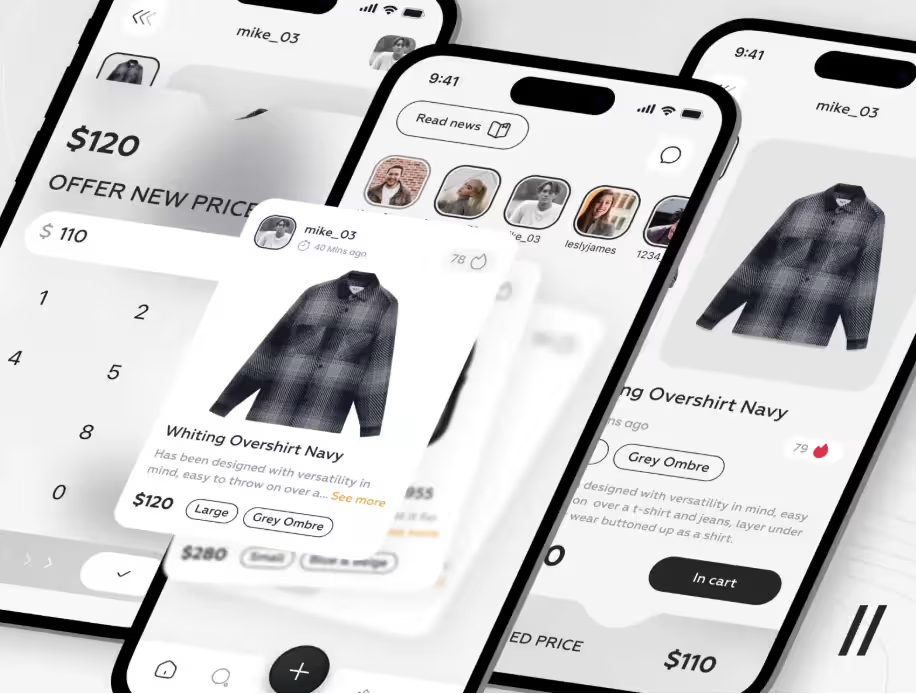
A secondhand marketplace is an online platform where people can buy and sell products that have already been owned or used. These products may be pre-loved, refurbished, open-box, returned, repaired, vintage, or brand-certified for resale.
Unlike a traditional ecommerce store, where a business sells new products directly to customers, a secondhand marketplace gives products a second life. A customer may buy an item, use it, and later resell it to another buyer through the same brand’s platform.
This type of marketplace can include:
- Pre-owned fashion and accessories
- Refurbished electronics
- Used furniture and home goods
- Open-box products
- Returned or repaired items
- Certified resale goods
- Vintage or limited-edition products
- Trade-in products
- Brand-verified secondhand items
The main idea is simple: a product should not stop creating value after the first purchase. With the right resale system, brands can continue participating in the product lifecycle while giving customers more affordable and sustainable buying options.
Why Brands Should Build Their Own Resale Platform
Resale is already happening, whether brands control it or not. Customers sell products on resale apps, social platforms, local groups, and third-party marketplaces. The issue is that when resale happens elsewhere, the brand loses control over the customer experience.
A brand-owned resale platform gives businesses more influence over product quality, pricing, condition standards, authenticity, customer trust, and brand presentation. It also allows brands to collect valuable customer data that would otherwise go to external platforms.
This matters because secondhand buyers are often new to the brand. If their first experience is poor, confusing, or risky, they may never return. But if the resale experience is smooth and trustworthy, they may become loyal customers.
A resale platform can help brands:
- Reach shoppers who may not buy full-price products
- Extend the lifecycle of existing products
- Reduce waste and support circular shopping
- Create a new revenue stream
- Protect brand reputation in the secondary market
- Build relationships with secondhand buyers
- Encourage repeat purchases through trade-ins or store credit
For Spocket sellers, the bigger lesson is that customers are no longer only looking for new products. They are looking for value, trust, and better shopping experiences.
Benefits of a Brand-Owned Secondhand Marketplace
A secondhand marketplace can support brand growth in several ways. It can bring in new customers, increase customer lifetime value, support sustainability goals, and give brands more control over how their products are resold.
Reaching Price-Conscious Shoppers
Not every customer is ready to buy a product at full price. A resale platform gives these shoppers a lower-cost entry point into your brand.
This is especially useful for premium, niche, or lifestyle brands. A customer may start with a pre-owned product, build trust with the brand, and later buy new items at full price.
For ecommerce sellers, this creates a broader customer funnel. Instead of only targeting customers who can afford new products, resale lets you reach people who want your brand but need a more accessible price point.
Extending Product Lifecycles
Resale helps products stay in use longer. Instead of being discarded, forgotten, or replaced too quickly, products can move from one customer to another.
This works especially well for durable categories such as:
- Clothing
- Shoes
- Bags
- Furniture
- Home decor
- Electronics
- Sports equipment
- Baby gear
- Collectibles
- Premium accessories
For brands, this can strengthen sustainability messaging. However, it is important to avoid vague claims. Instead of simply saying “eco-friendly,” explain how resale helps extend product use, reduce unnecessary waste, and encourage more thoughtful consumption.
Protecting Brand Image
When products are resold on unmanaged platforms, the brand has little control over photos, descriptions, pricing, product condition, or authenticity. A poorly described or damaged resale item can still affect how buyers view the original brand.
A brand-owned resale platform helps solve this problem by setting clear standards for:
- Product listings
- Condition grading
- Seller verification
- Product photos
- Authentication
- Shipping expectations
- Returns and disputes
This keeps resale aligned with the brand’s overall customer experience.
Creating New Revenue Opportunities
Traditionally, brands make money when a product is sold for the first time. A resale platform gives brands a way to participate in later transactions too.
Depending on the model, brands can earn through:
- Commission on resale transactions
- Listing or processing fees
- Authentication services
- Refurbishment margins
- Trade-in resale margins
- Store credit incentives
- Loyalty-driven repeat purchases
Even if resale is not the main revenue stream, it can support customer retention and repeat buying.
Building Stronger Customer Relationships
When a product is resold on a third-party platform, the brand may never know who bought it secondhand. A brand-owned resale platform changes that.
The secondhand buyer can create an account, join a loyalty program, receive care tips, explore new products, and become part of the brand community.
This turns resale into a customer acquisition channel rather than a lost transaction.
Common Secondhand Marketplace Models
Before launching a resale platform, brands need to choose the right model. The best option depends on product type, budget, logistics, customer behavior, and how much control the brand wants over the experience.
Peer-to-Peer Resale
In a peer-to-peer model, customers list and sell products directly to other customers through the brand’s platform. The brand provides the marketplace, listing tools, payment system, and rules.
This model is easier to scale because the brand does not need to store every item. Sellers upload photos, describe the product, set a price, and ship the item after purchase.
The benefits include:
- Lower inventory handling
- Faster marketplace growth
- More seller participation
- Less warehouse complexity
- Scalable listing volume
The challenges include inconsistent photos, inaccurate descriptions, shipping issues, and disputes. Brands using this model need strong seller guidelines and buyer protection policies.
Consignment Resale
In a consignment model, customers send products to the brand or marketplace operator. The brand inspects, photographs, lists, stores, and ships the item. The seller receives payment after the item sells.
This creates a more controlled experience because the brand manages quality and presentation.
The benefits include:
- Better product photos
- Stronger quality control
- More consistent listings
- Higher buyer confidence
- Easier authentication
The downside is that it requires more operations, storage, inspection, and fulfillment support. It works best for higher-value products where trust matters.
Trade-In Model
In a trade-in model, customers send products back to the brand in exchange for money, credit, or a discount. The brand then cleans, repairs, refurbishes, lists, and resells the item.
This model is convenient for customers because they do not have to wait for another buyer. It can also encourage repeat purchases if the payout is given as store credit.
Trade-in works well for:
- Electronics
- Bags
- Footwear
- Apparel
- Furniture
- Baby products
- Sporting goods
- Branded accessories
The challenge is pricing. Brands need to estimate resale value accurately and avoid overpaying for items that may be difficult to resell.
How to Build a Secondhand Marketplace for Your Brand
Building a resale platform requires more than creating a “used products” page. It needs a clear strategy, product standards, trust systems, fulfillment rules, and a smooth customer experience.
Define Your Resale Goal
Start by identifying why your brand wants to enter resale. This goal will shape the platform.
Your resale strategy may focus on:
- Sustainability
- Customer retention
- New customer acquisition
- Revenue from secondary sales
- Product lifecycle extension
- Refurbished product sales
- Community building
- Reducing returns waste
For example, a fashion brand may use resale to support circular style. A furniture brand may focus on extending product life. An electronics brand may build a certified refurbished program.
Choose the Right Products
Not every product is suitable for resale. The best resale products usually have durability, demand, and enough value to justify the process.
Good resale products often have:
- Long usable life
- Strong brand appeal
- Easy cleaning or repair
- High perceived value
- Collectible or limited-edition demand
- Clear condition grading
- Repeat buyer interest
Avoid launching resale with products that are fragile, too low-value, hard to verify, or expensive to process.
Set Clear Condition Standards
Condition grading is one of the most important parts of secondhand ecommerce. Buyers need to know exactly what they are getting before they purchase.
Common condition labels include:
- New with tags
- Open box
- Like new
- Excellent
- Good
- Fair
- Refurbished
- Parts or repair
Each label should have a clear meaning. For example, “Good” may mean the product has visible signs of use but works properly. “Excellent” may mean minimal wear and no functional problems.
Photos should show the actual item, including flaws. Hiding wear can create returns, complaints, and loss of trust.
Build Trust and Authentication
Trust is the biggest challenge in resale. Buyers may worry about fake products, inaccurate listings, poor condition, missing parts, or unreliable sellers.
Brands can reduce this risk with:
- Seller verification
- Product authentication
- Condition grading
- Real product photos
- Secure payments
- Buyer protection
- Transparent return policies
- Customer support
- Clear dispute resolution
For high-value products, authentication can become a major selling point. If buyers trust the brand’s verification process, they may be more comfortable buying secondhand.
Plan Shipping and Returns
Fulfillment can make or break the resale experience. Customers still expect clear delivery timelines, tracking, and support, even when buying secondhand products.
Your shipping process depends on your resale model. In peer-to-peer resale, sellers may ship directly. In consignment or trade-in, the brand usually handles fulfillment.
Define:
- Who stores the product
- Who ships the order
- Who pays for shipping
- How tracking is shared
- What packaging standards apply
- What happens if the item is damaged
- Whether returns are accepted
- How disputes are resolved
A resale platform should not feel messy or unpredictable. The experience should feel as reliable as your main ecommerce store.
Decide Fees and Seller Payouts
Your payout structure needs to be fair for sellers and sustainable for the brand. If sellers feel underpaid, they will avoid the platform. If the brand earns too little, the resale program may not cover its costs.
Common payout and fee options include:
- Commission on each sale
- Flat listing fee
- Authentication fee
- Processing fee
- Refurbishment fee
- Store credit payout
- Tiered commission by product value
Store credit can be especially effective because it encourages customers to buy from your brand again.
Key Features Every Resale Platform Needs
A secondhand marketplace should be simple for sellers and trustworthy for buyers. The easier it is to list, buy, and receive products, the faster the platform can grow.
Easy Listing Tools
If customers are expected to list products, the process should be quick and guided. Complicated listing flows reduce participation.
Useful seller features include:
- Guided listing forms
- Product lookup from past orders
- Suggested pricing
- Photo upload tips
- Condition checklist
- Shipping label generation
- Seller dashboard
- Payout tracking
If the seller originally bought the product from your brand, make the process easier by pulling product details from order history.
Buyer Confidence Features
Secondhand buyers need more reassurance than buyers of new products. They want to understand condition, authenticity, shipping, and return rules.
Helpful buyer features include:
- Clear photos
- Condition labels
- Authenticity badges
- Seller ratings
- Verified product history
- Return policy
- Shipping estimates
- Secure checkout
- Customer support
The goal is to make resale feel safe, not risky.
Brand-Controlled Product Pages
Even if a product is secondhand, the page should still feel polished and trustworthy.
A strong resale product page should include:
- Product name
- Original product details
- Current condition
- Real item photos
- Measurements or specifications
- Defect notes
- Care instructions
- Shipping information
- Return details
This keeps the secondhand experience aligned with the brand’s main ecommerce experience.
How Resale Supports Ecommerce Growth
A resale platform can support the full customer journey. It can attract new buyers, encourage previous customers to return, and give products a longer commercial life.
At the top of the funnel, resale brings in shoppers who may be interested in the brand but not ready to pay full price. In the middle, resale builds trust by showing that products hold value. At the bottom, trade-ins and store credit can drive repeat purchases.
Resale also creates useful marketing content, such as:
- Pre-loved product edits
- Certified secondhand collections
- Trade-in campaigns
- Restored bestseller drops
- Limited resale releases
- Circular shopping guides
For Spocket sellers, the key takeaway is that ecommerce growth is not only about selling more products once. It is about creating a brand experience that customers want to return to.
Mistakes to Avoid When Launching a Resale Marketplace
A secondhand marketplace can create growth, but only if customers trust it. Rushing the launch without clear systems can create more problems than benefits.
Avoid these mistakes:
- Launching without condition standards
- Allowing unclear or poor-quality photos
- Ignoring counterfeit risks
- Making seller payouts confusing
- Offering vague return policies
- Treating resale like a discount bin
- Making listings difficult to create
- Failing to moderate product listings
- Not connecting resale customers to loyalty programs
- Hiding product flaws
The biggest mistake is thinking resale is only about used goods. It is really about trust, product lifecycle, and customer relationships.
Final Thoughts
A secondhand marketplace gives brands a way to stay involved beyond the first sale. Instead of losing control when products enter the resale market, brands can create a trusted platform where customers buy, sell, trade in, and reconnect.
The strongest resale platforms are not just places to buy used products. They are brand-owned ecosystems built around trust, authenticity, sustainability, and customer loyalty.
For Spocket sellers and ecommerce brands, the resale movement is a reminder that long-term growth does not come only from chasing the next trending product. It comes from building trust, creating value after purchase, and giving customers more reasons to stay connected with your brand.
Start your dropshipping business today
FAQs about Secondhand Marketplace
What is a secondhand marketplace?
A secondhand marketplace is an online platform where customers can buy and sell pre-owned, refurbished, returned, repaired, or gently used products. For brands, it creates a way to keep products in circulation, attract value-conscious shoppers, and stay connected with customers beyond the first purchase.
Why should brands build their own resale platform?
Brands should build their own resale platform to control the resale experience, protect product presentation, verify authenticity, manage condition standards, and build direct relationships with secondhand buyers. Instead of losing customers to third-party marketplaces, brands can turn resale into a loyalty and growth channel.
What products work best for a secondhand marketplace?
The best products for a secondhand marketplace are durable, reusable, and valuable enough to resell. Popular categories include apparel, bags, shoes, furniture, home decor, electronics, baby gear, sporting goods, collectibles, and premium accessories. Products that are fragile, low-value, or hard to verify may be harder to manage.
How can a brand make secondhand buyers trust its resale platform?
A brand can build trust by using clear condition labels, real product photos, seller verification, authenticity checks, secure payments, transparent return policies, shipping updates, and customer support. Buyers should know exactly what they are purchasing before they place an order.
Can Spocket sellers benefit from the resale trend?
Yes. Even if Spocket sellers do not launch a resale platform immediately, they can learn from the trend by choosing long-lasting products, writing honest descriptions, building clear policies, encouraging reviews, and focusing on customer trust. As a store grows into a stronger brand, resale can become a future opportunity for loyalty, sustainability, and repeat revenue.


Launch your dropshipping business now!
Start free trial


Related blogs
How to Set Up Automated Order Fulfillment With Spocket and Shopify
Set up a smoother Shopify dropshipping workflow with Spocket by connecting your store, importing products, processing orders, syncing tracking, and reducing manual fulfillment tasks.

How to Open a Business Bank Account for Your Dropshipping Store
Set up your dropshipping finances the right way with a dedicated business bank account built for payouts, supplier payments, taxes, and long-term store growth.
Spocket vs Dropified: Which Tool Is Better for Multi-Store Scaling?
Compare Spocket and Dropified for multi-store dropshipping, supplier quality, automation, fulfillment, product sourcing, and scaling across ecommerce platforms.