


Why Embroidered Patches Are Making a Comeback in Fashion
Discover how embroidered patches and print-on-demand patches are redefining modern fashion. Explore trends, personalization, and how brands can profit from this creative revival.
.avif)
.avif)

Fashion trends move in cycles, and sometimes, the most nostalgic ones make the strongest returns. Among them, embroidered patches are experiencing a remarkable resurgence. Once a staple of denim jackets, varsity sweaters, and military uniforms, patches are now taking over streetwear, luxury fashion, and even eco-conscious apparel.
This comeback isn’t just about vintage charm — it’s about personal expression and sustainability. In an era where consumers crave individuality, embroidered and print-on-demand patches allow people to customize their style without waste or mass production. From independent designers to big fashion labels, everyone is embracing patches as a modern creative tool.
Let’s explore why embroidered patches have become one of fashion’s biggest revivals — and how entrepreneurs and dropshippers can capitalize on this stylish trend.
The History Behind Embroidered Patches
To understand their comeback, it helps to look at where embroidered patches began.
Historically, embroidery was a symbol of craftsmanship and prestige. Ancient civilizations used intricate stitching to decorate garments, indicating social status and artistic expression. Over time, patches evolved from symbols of rank and honor — like those on military uniforms — to statements of rebellion and individuality during the youth movements of the 1960s and 70s.
By the 1980s, patches became central to subcultures — from punk and rock to biker and skate communities. Each embroidered patch carried meaning, representing personal identity, belief, or affiliation.
Today’s revival brings that storytelling spirit back, but with a modern twist. Embroidered patches are no longer limited to one scene or style — they’ve become a versatile fashion medium for all ages and aesthetics.
Add Meaning to Your Brand with Spocket’s Custom Embroidered Patches
Bring timeless artistry into the modern world with Spocket’s Embroidered Patches — perfect for creators, designers, and brands that want to make a statement that sticks.
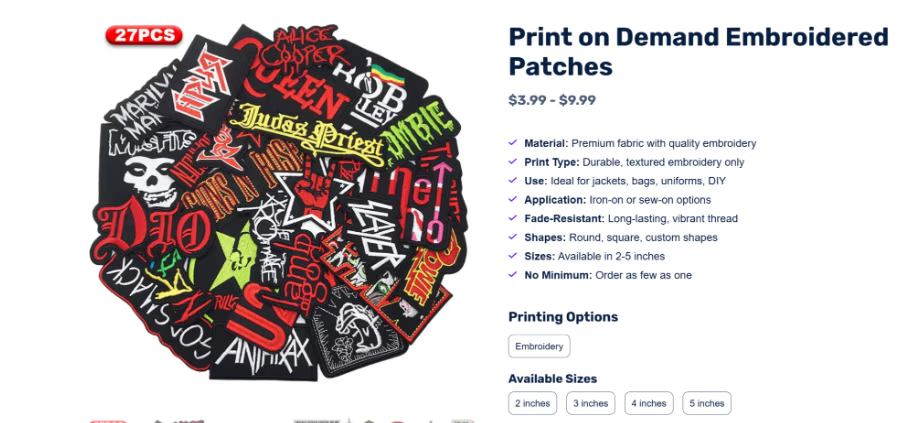
With Spocket, you can:
- Design custom embroidered patches featuring your logo, slogan, or artwork.
- Choose premium-quality threads and backing materials.
- Enjoy print-on-demand production — no inventory, no waste.
- Offer fast global delivery through trusted suppliers.
Each patch you create isn’t just decoration — it’s a story stitched in color. Whether you’re launching a fashion line, enhancing packaging, or creating limited-edition merch, embroidered patches are a versatile way to add texture, identity, and artistry to your brand.
Why Embroidered Patches Are Back in Style
Several cultural and economic factors have driven the resurgence of embroidered patches in contemporary fashion. Here’s why they’re trending again:
1. Personalization is the New Luxury
Modern consumers want clothes that tell their story. Customization is no longer a niche market — it’s a major driver of fashion innovation. Patches allow individuals to personalize their outfits, bags, or sneakers instantly, adding character and meaning without full redesigns.
For fashion brands, offering print-on-demand patches means tapping into that desire for exclusivity. With platforms like Spocket, designers can source or sell personalized products on demand — without holding inventory — making it easier than ever to offer one-of-a-kind pieces.
2. Nostalgia Meets Modern Aesthetics
Fashion has always loved nostalgia, and the 70s–90s revival continues to influence current collections. Embroidered patches bring a tactile, retro aesthetic that resonates with both Gen Z and Millennials.
High-end fashion houses like Gucci and Dior have incorporated patchwork and embroidery in their collections, blending old-school artistry with modern tailoring. Meanwhile, streetwear brands use patches as statement pieces — bold, graphic, and sometimes ironic — giving a nod to the past while remaining firmly contemporary.
3. Sustainable Fashion and Upcycling
One of the most important reasons embroidered patches are trending again is sustainability. Consumers are increasingly concerned about waste and the environmental cost of fast fashion. Patches offer a creative solution: instead of discarding old garments, people are reviving them with embroidered or print-on-demand patches.
A single patch can transform a worn-out denim jacket into a personalized masterpiece. This movement aligns with the broader upcycling trend — a core value for modern, conscious consumers and small brands alike.
4. Accessibility Through Print-on-Demand
The rise of print-on-demand patches has made this art form accessible to everyone — from small designers to online store owners. Instead of investing in bulk embroidery or expensive manufacturing, creators can design digital patches and have them produced only when an order is placed.
Through tools like Spocket, entrepreneurs can connect with high-quality suppliers who produce patches efficiently and ship them directly to customers. This lowers risk, eliminates excess inventory, and allows small fashion businesses to compete with established brands.
Print-on-demand technology bridges creativity and commerce — turning custom patch ideas into sellable products in just a few clicks.
5. A Return to Craftsmanship and Authenticity
In a digital world dominated by AI and automation, handmade or hand-finished products carry emotional value. Consumers increasingly appreciate craftsmanship — the sense that a real person contributed to the making of their clothing.
Embroidered patches embody that craftsmanship. Even when produced using modern techniques, they retain the texture, depth, and uniqueness that digital prints often lack. This tactile quality gives garments a more authentic and premium feel, helping brands stand out in a sea of sameness.
The Role of Embroidered Patches in Modern Fashion
Embroidered patches are no longer limited to denim jackets or uniforms — they’re appearing across multiple fashion categories, from casual wear to couture.
1. Streetwear and Youth Culture
Streetwear thrives on individuality, and patches have become an extension of that ethos. Brands and influencers use patches to create limited-edition designs or collaborations that feel personal and collectible. Patches let wearers customize jackets, hats, and backpacks, reflecting music, identity, or causes they believe in.
2. High Fashion and Luxury Labels
Luxury fashion houses have embraced embroidery as a return to artistry. Patches add handcrafted charm to an industry once dominated by sleek minimalism. For example, designers now pair bold patchwork with luxury materials like leather and silk to create striking juxtapositions between casual and elegant.
3. Eco-Friendly and DIY Fashion
The DIY community is fueling patch popularity on platforms like Pinterest and TikTok. Consumers are reworking thrifted clothes using patches, creating “new” outfits from old materials. This aligns with sustainable fashion’s core principle — extending the life of garments instead of discarding them.
4. Corporate and Team Branding
Beyond fashion, patches are popular for uniforms, sports teams, and company apparel. They add a personal touch while keeping branding consistent. With print-on-demand patches, even small businesses can customize merchandise affordably and professionally.
How Print-on-Demand Patches Empower Fashion Entrepreneurs
For designers, crafters, and ecommerce store owners, the patch revival is more than a trend — it’s a business opportunity. Here’s how print-on-demand patches are changing the game:
1. No Minimum Orders
You can sell one patch or a thousand without worrying about unsold inventory. Print-on-demand eliminates bulk production risks, allowing small brands to experiment with designs and niches.
2. Instant Customization
Entrepreneurs can let customers personalize designs — adding initials, colors, or icons to pre-existing templates. This flexibility increases product appeal and perceived value.
3. High Margins with Low Investment
Because patches are lightweight, inexpensive to ship, and easy to produce, they offer strong profit margins — even for small-scale sellers. Combined with Spocket’s supplier network, brands can deliver premium quality while maintaining efficiency.
4. Global Market Reach
Through print-on-demand integrations with ecommerce platforms like Shopify or WooCommerce, fashion sellers can reach global customers instantly. Patches are easy to ship worldwide, making them ideal for international audiences.
5. Creativity Without Limits
From vintage aesthetics to pop-culture themes, patches allow creators to experiment endlessly. Designers can test niche ideas without risk — and if a certain patch resonates, scale it effortlessly.
How to Style Embroidered Patches: Fashion Tips
One reason embroidered patches have regained popularity is their unmatched versatility. They can instantly elevate everyday outfits or breathe new life into old garments. Whether you prefer vintage flair, minimalist elegance, or statement streetwear, patches adapt effortlessly to every fashion aesthetic.
The secret lies in creativity — and knowing how to style them to match your personality or brand identity. Here are some inspiring ways designers, influencers, and everyday fashion enthusiasts are using embroidered and print-on-demand patches to express themselves.
1. Denim Revival

Few fabrics pair better with patches than denim. From classic jean jackets to distressed jeans, denim offers the perfect canvas for experimentation. Adding embroidered patches to sleeves, pockets, or back panels creates a look that feels timeless yet personal.
You can keep it subtle with one or two carefully placed designs or go bold by covering an entire jacket with patches that tell a story. This approach not only celebrates individuality but also aligns with sustainable fashion — transforming old denim pieces into unique statement garments.
2. Minimalist Statements

Not every patch design needs to be loud or colorful. In fact, minimalist styling is one of the most elegant ways to wear them. A single, bold patch placed on a neutral hoodie, plain T-shirt, or canvas tote can add just enough detail to make an outfit feel modern and intentional.
For brands, offering print-on-demand patches in clean geometric designs, monograms, or minimal icons is a great way to attract audiences who value subtle, high-end personalization. The key is restraint — letting the patch act as a small but powerful style accent.
3. Layered Storytelling
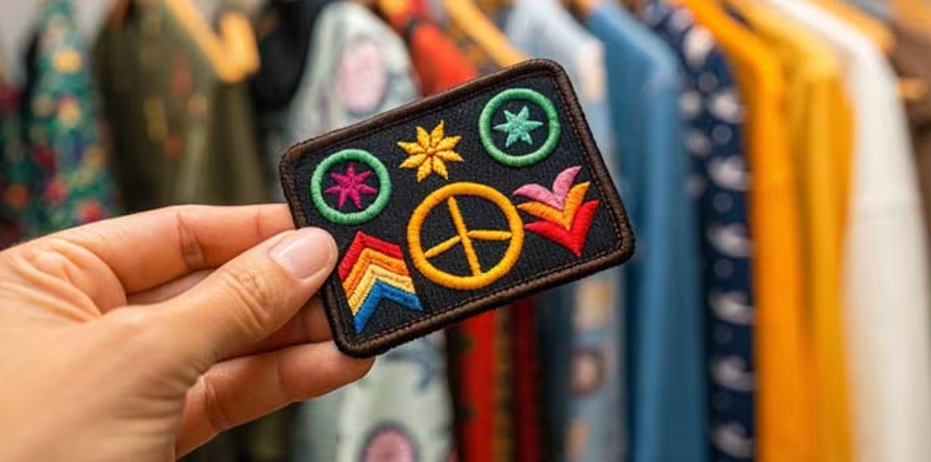
One of the most creative uses of patches is building a visual story. Layer multiple embroidered patches that represent experiences, beliefs, or memories — such as travel destinations, hobbies, or causes. This technique turns fashion into self-expression.
Many designers now encourage customers to “collect” patches like souvenirs, allowing them to customize garments over time. The result is clothing with emotional value — wearable art that grows with the person who wears it.
4. Luxury Fusion
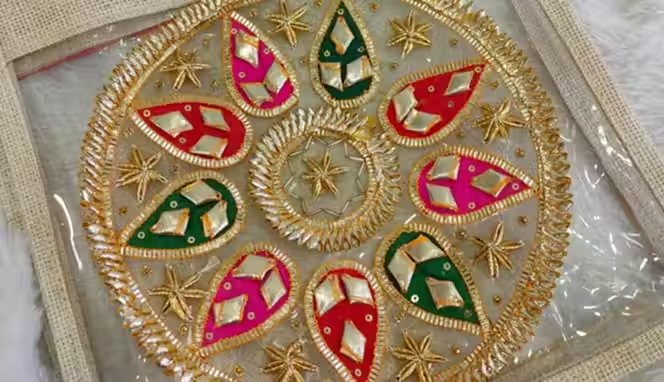
Modern fashion thrives on contrasts, and mixing patches with premium fabrics has become a sophisticated styling trend. Applying embroidered patches to materials like velvet, silk, or wool adds texture and visual intrigue. The fusion of rugged embroidery with refined fabric creates depth and modern luxury.
Luxury labels have embraced this technique to merge craftsmanship with couture aesthetics — turning what was once casual decoration into a mark of exclusivity. Small brands can achieve the same by combining print-on-demand patches with quality materials to give their products a high-fashion edge.
5. Sneaker Customization

Sneakers have become fashion’s favorite canvas for creativity. Attaching small patches to shoe tongues, heels, or laces brings personality to footwear and transforms mass-produced designs into custom pieces.
Patches in this context work especially well for streetwear and youth markets. They create collectibility and foster engagement — two elements that drive brand loyalty. For ecommerce sellers, offering print-on-demand patch sets tailored for sneakers or accessories can open a niche yet growing market segment.
Sustainability and the Future of Embroidered Fashion
The fashion industry is shifting toward slower, more mindful consumption. Patches align perfectly with this mindset because they encourage repair, customization, and creativity over disposal.
By using print-on-demand patches, brands can produce only what’s needed, reducing waste and overstock. It’s a step toward ethical fashion — meeting consumer demand while protecting resources. Moreover, sustainable fabrics, recycled threads, and eco-friendly dyes are being incorporated into patch production, adding another layer of environmental responsibility.
Wearable Art Meets Sustainable Fashion
What truly makes embroidered patches special is how they blend artistic expression with sustainability. Instead of discarding old clothing, consumers are reviving them — decorating pieces with patches that reflect their identity and values.
This movement turns fashion into something deeply personal and environmentally mindful. Whether you’re an individual customizing your wardrobe or a brand creating print-on-demand apparel, patches offer the perfect balance of creativity, longevity, and conscious design.
In short, embroidered patches symbolize the future of sustainable fashion — creativity without compromise.
Tips for Selling Embroidered Patches Online
For fashion entrepreneurs, here’s how to make the most of the growing demand for patches:
- Target a Niche: Focus on a theme — music, travel, activism, or humor — to attract loyal buyers.
- Offer Customization: Let customers add names, initials, or designs for a personal touch.
- Use High-Quality Mockups: Visual presentation matters. Show how patches look on real garments.
- Leverage Social Media: Share styling ideas and DIY videos on platforms like Instagram, TikTok, or Pinterest.
- Bundle Products: Sell patches alongside complementary items like tote bags, denim jackets, or hats.
- Promote Sustainability: Emphasize how patches help reduce waste by reviving old clothing.
Final Thoughts
The comeback of embroidered patches is proof that fashion’s future lies in creativity, personalization, and sustainability. Once symbols of rebellion and subculture, patches are now emblems of individuality — blending traditional craftsmanship with modern innovation.
For today’s fashion entrepreneurs, especially those exploring print-on-demand patches, this trend represents an opportunity to connect personal expression with conscious commerce. Whether used for style, sustainability, or storytelling, patches remind us that fashion is at its best when it’s personal, meaningful, and made to last.
And with Spocket, bringing those ideas to life has never been easier.
Start your dropshipping business today
FAQs about Embroidered Patches
Why are embroidered patches becoming popular again in fashion?
Embroidered patches are making a comeback because they blend nostalgia, creativity, and sustainability. They allow people to personalize clothing easily and give new life to old garments. Modern designs, better materials, and digital accessibility have transformed patches into a stylish, mainstream trend.
What makes embroidered patches different from print-on-demand patches?
Embroidered patches are made with stitched threads that add texture and a handcrafted feel, while print-on-demand patches use digital printing for detailed or colorful designs. Both options let creators customize easily — embroidery offers classic craftsmanship, while print-on-demand allows flexibility and quick production.
Can embroidered patches be used on any type of clothing?
Yes. Patches work beautifully on denim jackets, tote bags, hats, sneakers, and even luxury fabrics like wool or velvet. Whether sewn or ironed on, embroidered patches instantly elevate any outfit with a personalized or artistic touch, making them ideal for both casual and designer fashion.
How can small fashion brands profit from print-on-demand patches?
Small brands can use print-on-demand patches to create custom collections without large investments or inventory. By working with suppliers through platforms like Spocket, sellers can design patches, test styles, and ship globally — turning creativity into a profitable, sustainable business.
Are embroidered patches eco-friendly?
Absolutely. Patches promote upcycling and reduce waste by helping consumers refresh old garments instead of discarding them. Combined with eco-conscious materials and print-on-demand production, embroidered patches represent a stylish way to support sustainability in modern fashion.


Launch your dropshipping business now!
Start free trial


Related blogs

Trendsi vs Shein: Full Review (2026)
Trendsi vs Shein breakdown on costs, quality, and fulfillment. Decide if Trendsi wholesale or Shein shopping suits your goals.

How the Slow Fashion Movement is Impacting E-commerce in 2026?
More shoppers now value quality over quantity. This guide covers the slow fashion movement, key brands, and its impact on e-commerce.

Spring Fashion Trends 2026 The Wearable Trend Report
Discover the top spring fashion trends for 2026—from colors and silhouettes to key wardrobe pieces that will define the new season’s style.

