


How to Avoid Dropshipping Scams When Starting Out
Starting dropshipping? Learn how to spot fake suppliers, avoid payment traps, check product quality, and build a safer store with trusted sourcing practices.
.avif)

Dropshipping is a beginner-friendly way to start an online business because you do not need to buy inventory upfront or manage a warehouse. You choose products, list them on your store, and your supplier handles fulfillment when a customer places an order.
But because dropshipping is easy to enter, it also attracts scammers. New sellers often come across fake suppliers, poor-quality products, counterfeit goods, hidden fees, misleading courses, and unrealistic promises. These scams can cost money, damage your store’s reputation, and create unhappy customers before your business even gets started.
The good news is that most dropshipping scams can be avoided if you know what to check. You do not need to be suspicious of every supplier, but you do need to verify products, payment methods, shipping details, and supplier credibility before you commit.
This guide explains how to spot dropshipping scams, what red flags to watch for, and how beginners can start more safely with reliable sourcing practices.
What Are Dropshipping Scams?
Dropshipping scams are dishonest offers, suppliers, tools, or services that target ecommerce sellers. They usually promise easy profits, cheap products, fast shipping, or exclusive access but fail to deliver what they claim.
These scams can appear in different ways. A supplier may take payment and never ship the order. Another may ship a product that looks nothing like the photos. Some sellers may unknowingly list counterfeit goods, only to face refunds, complaints, or account issues later.
For beginners, the biggest problem is that scams often look professional. A fake supplier may have a clean website, attractive product photos, and friendly messages. That is why you should not trust appearances alone. Always check the details before paying, importing products, or running ads.
Why Beginners Are More Likely to Get Scammed
New dropshippers are often excited to launch quickly. They may want to find a winning product, start running ads, or make their first sale as soon as possible. Scammers use that urgency to push risky offers.
Beginners are also more likely to fall for:
- Extremely cheap products
- “Guaranteed profit” claims
- Fake supplier reviews
- Unverified branded products
- Expensive courses promising quick success
- Poorly explained shipping terms
- Suppliers asking for unsafe payment methods
Dropshipping can be profitable, but it is not instant or effortless. It requires product research, supplier checks, customer support, pricing strategy, and ongoing testing. If someone presents it as a fast-money shortcut, be careful.
Common Dropshipping Scams to Watch Out For
Not every bad experience is a scam, but certain patterns should make you cautious. Here are the most common dropshipping scams beginners should know.
1. Fake Supplier Scams
Fake suppliers pretend to offer products for dropshipping but may disappear after receiving payment, delay orders, send low-quality items, or provide fake tracking numbers. Warning signs include:
- No clear business information
- No verified contact details
- No real reviews outside their own website
- Prices that seem unusually low
- Poor communication before payment
- No return or refund policy
- Pressure to pay immediately
- Requests for wire transfers or unusual payment methods
If a supplier's phone number frequently triggers a spam risk call warning when you try to reach them, or if they strictly refuse to provide a verified phone number at all, it is a major red flag that you might be dealing with a fraudulent operation.A real supplier should be transparent about who they are, how fulfillment works, and how they handle seller issues.
2. Counterfeit Product Scams
Some suppliers offer branded products at prices that seem too good to be true. These products may be fake or unauthorized.
This is risky because counterfeit products can lead to refunds, chargebacks, legal issues, ad account restrictions, and loss of customer trust. Avoid selling famous brand-name items unless the supplier can prove they are authorized to distribute them.
If a luxury product, branded gadget, or designer item is being sold at a suspiciously low price, it is safer to walk away.
3. Low-Quality Product Scams
Sometimes the supplier does ship the item, but the product is nothing like the listing. It may be smaller, weaker, poorly packaged, missing parts, or made from cheaper material than promised. This can lead to:
- Refund requests
- Negative reviews
- Customer complaints
- Chargebacks
- Poor repeat purchase rates
- Lower trust in your store
The best way to avoid this is to order samples before selling. If you would not feel comfortable receiving the product as a customer, do not sell it.
4. Hidden Fee Scams
Some suppliers advertise low product prices but add extra costs later. These may include handling fees, packaging fees, membership fees, inflated shipping charges, or minimum order requirements. Before listing a product, calculate the full cost:
- Product cost
- Shipping cost
- Handling or processing fees
- Payment processing fees
- Platform fees
- Return or replacement costs
- Taxes or customs charges, if applicable
A product may look profitable at first but become unprofitable once all costs are included.
5. Fake Dropshipping Course Scams
Many beginners are targeted by coaches or courses promising easy money. Some learning resources are useful, but be cautious of anyone who guarantees income or claims dropshipping is fully passive. Red flags include:
- “Guaranteed results”
- Luxury lifestyle marketing
- Fake urgency
- No refund policy
- Overpriced basic information
- No real business proof
- Screenshots without context
- Claims that you can succeed with no effort
You can learn a lot from free resources, platform guides, ecommerce communities, and small practical tests before buying an expensive course.
How to Spot a Dropshipping Scam Before You Pay
The safest time to avoid a scam is before you spend money or add products to your store. A few checks can protect you from major problems later.
Check Supplier Transparency
A trustworthy supplier should clearly share important business details. Look for:
- Business name
- Contact email
- Registered address or location
- Product catalog
- Shipping timelines
- Return policy
- Refund policy
- Seller support options
- Real reviews or seller feedback
If basic information is missing or difficult to verify, be cautious. A supplier that hides details before you pay is unlikely to be helpful when customer issues appear.
Test Their Communication
Contact the supplier before placing any serious order. Ask about shipping times, product materials, packaging, returns, stock availability, and damaged items. Notice how they respond. Clear, specific replies are a good sign. Vague answers, delayed responses, or pressure to pay quickly are warning signs.
Supplier communication matters because your customers will hold your store responsible if something goes wrong.
Order a Sample
Ordering a sample lets you experience the product the way your customer will. It helps you check whether the supplier’s claims are accurate. When the sample arrives, review:
- Product quality
- Packaging
- Shipping time
- Tracking accuracy
- Size and color accuracy
- Whether it matches the photos
- Whether it feels worth the selling price
This step is especially important before running ads or scaling a product.
Review Shipping and Tracking
Shipping problems are one of the biggest causes of customer complaints in dropshipping. Before working with a supplier, confirm:
- Processing time
- Average delivery time
- Shipping regions
- Tracking availability
- Carrier details
- Delay policy
- Lost package process
If the supplier cannot provide clear shipping and tracking information, think twice before using them.
How to Avoid Dropshipping Scams When Starting Out
Avoiding scams comes down to building safer habits from the beginning. Here are practical ways to reduce risk.
Use Trusted Supplier Platforms
Instead of searching random supplier websites, start with trusted supplier platforms. These platforms can help reduce risk by giving you access to more structured product sourcing.
For example, Spocket helps dropshipping sellers discover products from vetted suppliers, including options from the US and EU. This can be especially helpful for beginners who are still learning how to evaluate suppliers, shipping standards, and product quality.
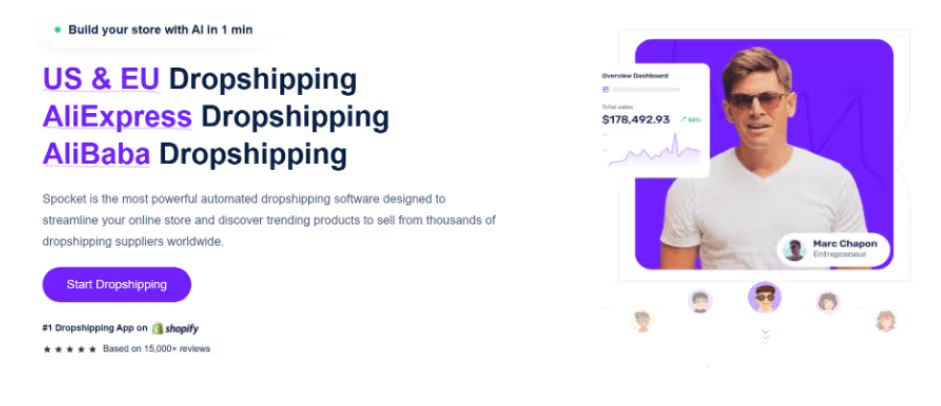
Using a trusted platform does not mean you should skip product checks. You should still review products, understand delivery times, and test items when possible. But it gives you a safer starting point than working with unknown sellers.
Avoid Unrealistic Offers
If a supplier promises luxury products at extremely low prices, guaranteed profits, or impossible delivery times, slow down.
Ask yourself:
- Why is this product so cheap?
- Can the supplier prove product authenticity?
- Are the shipping timelines realistic?
- Are the reviews believable?
- What happens if the product arrives damaged?
- Can I order a sample first?
If the answers are unclear, do not proceed.
Use Secure Payment Methods
Avoid suppliers who ask for unsafe or irreversible payments. Use payment methods that provide transaction records, invoices, and dispute options when possible.
Be careful with wire transfers, crypto payments, or personal payment requests from unknown suppliers. A legitimate supplier should be comfortable using professional payment methods.
Keep Records of Everything
Documentation can protect your business if a dispute happens. Save:
- Supplier conversations
- Invoices
- Payment receipts
- Product listings
- Shipping promises
- Tracking details
- Refund agreements
- Customer complaints
These records can help you resolve supplier disputes, respond to customer issues, and protect your store if payment problems occur.
Read Reviews Carefully
Reviews are useful, but fake reviews are common. Do not trust reviews only because they appear on the supplier’s website.
Look for specific reviews that mention product quality, shipping speed, support response, refund experience, and packaging. Be cautious if all reviews sound generic, overly perfect, or were posted around the same time.
Red Flags That Should Make You Walk Away
Some warning signs are serious enough to stop immediately. Avoid a supplier or offer if you notice:
- No clear contact information
- No return or refund policy
- Prices far below market value
- Unrealistic profit claims
- Pressure to pay quickly
- Poor communication
- No sample option
- Fake-looking reviews
- No tracking details
- Unsafe payment requests
- Branded products without proof of authorization
- Hidden fees revealed late
- Product photos copied from different sources
A simple rule: if the supplier makes you feel rushed, confused, or uncomfortable, do not move forward.
What to Do If You Already Fell for a Dropshipping Scam
If you think you have been scammed, act quickly.
First, collect evidence. Save payment receipts, messages, product listings, tracking details, promises, and customer complaints. Then contact the supplier and request a clear solution. If the supplier does not respond:
- Stop sending new orders to them
- Remove or pause affected products
- Contact your payment provider if dispute support is available
- Inform affected customers honestly
- Offer refunds, replacements, or store credit when appropriate
- Review your supplier vetting process before adding new products
Even if the supplier caused the issue, customers bought from your store. A fast and fair response can protect your brand reputation.
Final Checklist Before Working With a Supplier
Before adding a product to your store, ask:
- Is the supplier easy to verify?
- Do they have clear contact details?
- Are shipping timelines realistic?
- Is the return policy clear?
- Can I order a sample?
- Does the product match the photos and description?
- Are there hidden fees?
- Is the payment method secure?
- Are reviews specific and believable?
- Is the product free from counterfeit concerns?
- Can the supplier handle customer issues professionally?
If you are unsure about several answers, pause before moving ahead.
Final Thoughts
Dropshipping scams can be stressful, especially for beginners. But most scams leave warning signs. Fake suppliers, unrealistic promises, hidden fees, poor communication, unsafe payments, and suspiciously cheap branded products are all signals to slow down.
The safest way to start is to verify suppliers, test products, use secure payments, check reviews carefully, and avoid shortcuts that promise overnight success. Dropshipping works best when you treat it like a real business, not a quick-money trick.
For beginners, Spocket can make sourcing safer and more structured by offering access to vetted suppliers and a wide product selection. When you start with better suppliers and stronger checks, you protect your money, your customers, and your long-term brand reputation.
Start your dropshipping business today
FAQs About Avoiding Dropshipping Scams
How do I know if a dropshipping supplier is legit?
A legit dropshipping supplier should have clear contact details, transparent shipping timelines, a return or refund policy, realistic product pricing, and specific customer or seller reviews. You should also test their communication and order a sample before adding their products to your store.
What are the biggest warning signs of a dropshipping scam?
The biggest warning signs include prices that seem too good to be true, no clear business information, unsafe payment requests, fake-looking reviews, no tracking details, hidden fees, and pressure to pay quickly. Suppliers selling branded products without proof of authorization should also be avoided.
Can beginners avoid dropshipping scams?
Yes, beginners can avoid most dropshipping scams by verifying suppliers, using secure payment methods, reading reviews carefully, testing products, checking shipping timelines, and avoiding unrealistic profit promises. Starting with vetted supplier platforms like Spocket can also reduce risk.
Are branded products safe to dropship?
Branded products are only safe to dropship if the supplier is authorized to sell them. If a supplier offers designer, luxury, or popular branded products at unusually low prices without proof of authenticity, they may be counterfeit. Selling fake products can lead to refunds, chargebacks, and account issues.
How does Spocket help reduce dropshipping scam risks?
Spocket helps sellers source products from vetted suppliers instead of relying on unknown websites or random vendors. This can reduce the risk of fake suppliers, poor product quality, and unreliable fulfillment, especially for beginners who are still learning how to evaluate suppliers.


Launch your dropshipping business now!
Start free trial


Related blogs
Dropshipping Supplier Directory: Where to Find Vetted Suppliers
Browse our directory of vetted dropshipping suppliers across the US and EU, complete with niches, shipping speed, and pricing. Start your free trial today.

How to Negotiate With Dropshipping Suppliers: 9 Tactics That Actually Work
Learn how to negotiate with dropshipping suppliers on price, MOQs, and payment terms. Proven tactics and email scripts to boost your margins. Try Spocket free.

Best Clothing Dropshipping Suppliers: The 2026 Guide
Compare the best clothing dropshipping suppliers for 2026 — US/EU shipping speeds, pricing, and product quality — and find the right fit to launch your store.
