Affiliate Marketing vs. Dropshipping: Choosing the Best Model for You
Affiliate vs Dropshipping: Learn startup cost, risk, control, profit margins, and how to pick the right model — with examples and expert insights
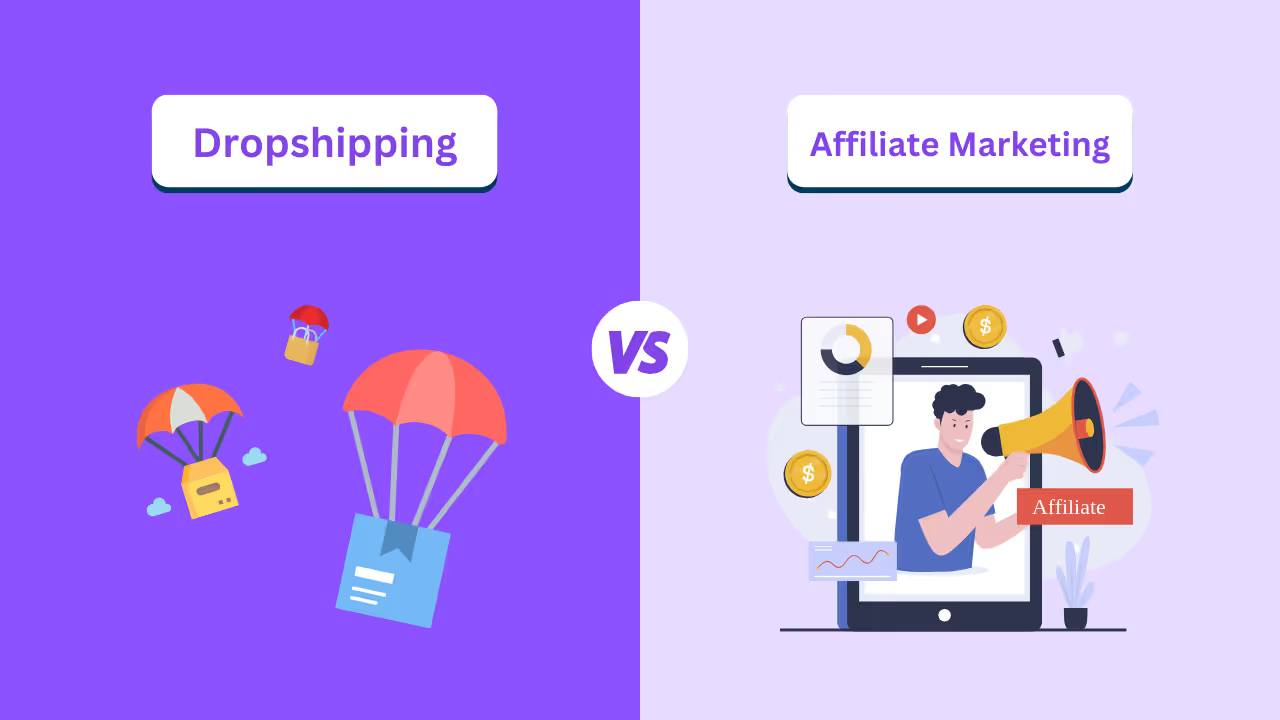


Affiliate marketing vs dropshipping — two of the most popular online business models that continue to dominate in 2025. Both offer low startup costs, flexible income potential, and the promise of working from anywhere. Yet, they differ greatly in how you earn money and scale. While affiliate marketers earn commissions by promoting others’ products, dropshippers sell items directly through their own stores without holding inventory. So, which is the smarter choice for you? In this guide, we’ll break down the pros, cons, profitability, and real-world examples of each model. By the end, you’ll know exactly which path — affiliate marketing or dropshipping — aligns best with your goals, skills, and budget, helping you make an informed, confident decision to start or scale your online business.
Affiliate Marketing vs. Dropshipping
Affiliate marketing involves promoting products for a commission, whereas dropshipping involves selling products directly to customers. Affiliate marketing suits those focusing on content creation and traffic generation, while dropshipping appeals to entrepreneurs wanting to manage their own store and customer data.
Affiliate Marketing vs. Dropshipping: Pros & Cons
We'll look into the details below, but the primary difference between the two is how you earn money. In affiliate marketing, you promote a brand’s products or services and earn a commission for each sale or lead. In dropshipping, you sell products directly to customers and profit from the difference between the retail and wholesale prices. Let’s explore affiliate marketing further.
What is Affiliate Marketing?
Affiliate marketing is a performance-based online business model where you promote another company’s products or services and earn a commission for every sale, lead, or click generated through your unique referral link. It’s one of the simplest ways to make money online without creating or managing your own products — making it ideal for beginners and content creators in 2025.
How Affiliate Marketing Works?
Here’s how it works: you sign up for an affiliate program, receive a custom tracking link, and promote the product through your blog, YouTube channel, social media, or email list. When someone clicks your link and makes a purchase, you earn a commission. This setup allows affiliates to monetize traffic effectively while helping brands reach targeted audiences at lower costs.
Players in Affiliating Marketing
The affiliate ecosystem includes three key players:
- Affiliate (You): The promoter who drives traffic and earns commissions.
- Merchant (Advertiser): The brand or company selling the product.
- Affiliate Network or Platform: The middle layer that manages tracking, reporting, and payouts (e.g., Sprocket Affiliate, Amazon Associates, Impact, ShareASale).
Each player depends on the others — affiliates bring customers, merchants supply offers, and networks ensure transparency and tracking accuracy.
Commission Types, Cookie Windows & Tracking
Affiliate programs offer different commission models:
- Pay-per-sale: You earn when a referred user makes a purchase.
- Pay-per-lead: You get paid when someone signs up or completes an action.
- Pay-per-click: You earn based on link clicks.
Tracking relies on cookies or unique affiliate IDs. Most programs offer a “cookie window” — typically 30 to 90 days — meaning if a user purchases within that time frame, you still earn a commission. Advanced networks now use server-side or first-party tracking to improve accuracy amid cookie restrictions.
Pros of Affiliate Marketing
- Low startup cost: You don’t need inventory, customer support, or logistics.
- Passive income potential: Earn even while you sleep from evergreen content.
- Scalability: Promote multiple offers or niches at once.
- Flexibility: Choose products you genuinely trust and audiences you understand.
- Global reach: Work from anywhere and promote to worldwide customers.
Cons & Risks
- Low control over pricing and product quality: You depend on the merchant.
- High competition: Many affiliates promote the same offers.
- Payout delays or policy changes: Merchants can modify terms anytime.
- Traffic dependency: Earnings rely heavily on consistent website or social traffic.
Tracking issues: Cookie expiration or ad blockers can reduce credited sales.
What is Dropshipping?
Dropshipping is an ecommerce business model where you sell products online without holding inventory. Instead of stocking items, you partner with third-party suppliers who handle storage, packaging, and shipping directly to your customers. It’s one of the most popular ways to start an online store in 2025 because it requires low upfront investment, minimal risk, and offers flexibility to sell globally through platforms like Shopify or WooCommerce.
How Dropshipping Works?
In dropshipping, you list products on your online store at retail prices. When a customer places an order, you purchase that item from your supplier at a lower wholesale cost. The supplier then ships the product directly to the buyer under your brand name. You earn the profit margin between the selling price and the supplier price — all without managing physical inventory or logistics.
Workflow (Store, Suppliers, Order Routing)
The dropshipping process typically follows this workflow:
- Set up an online store using an ecommerce platform.
- Find reliable suppliers through marketplaces like Spocket, AliExpress, or CJ Dropshipping.
- List selected products with descriptions, images, and prices.
- Customer places an order → it automatically routes to the supplier.
- Supplier fulfills the order and ships it to the customer.
- You earn profit while focusing on marketing and customer experience.
Modern tools like Spocket make it easy to automate order routing, sync inventory, and access US/EU-based suppliers for faster delivery and higher-quality products.
Pricing, Margins & Cost Components
Dropshipping profits depend on how well you price your products. The key cost components include:
- Product cost: The supplier’s wholesale price.
- Platform fees: Shopify, WooCommerce, or payment gateway charges.
- Marketing & ads: Social media ads, influencer promotions, or SEO.
- Shipping costs: Depending on supplier location and delivery speed.
Typical profit margins range between 20%–50%, depending on your niche and pricing strategy. To stay competitive, focus on products with perceived value, limited competition, and low shipping costs.
Pros of Dropshipping
- Low startup cost: No inventory or warehousing needed.
- Easy to scale: Add or remove products without major investment.
- Flexible location: Run your business from anywhere.
- Wide product range: Test different niches easily.
- Automation tools: Platforms like Spocket simplify order management and fulfillment.
Cons & Challenges
- Lower profit margins: High competition can push prices down.
- Limited control: Product quality, packaging, and shipping are managed by suppliers.
- Inventory syncing issues: Out-of-stock products may affect customer satisfaction.
- Shipping delays: Especially with international suppliers.
- Branding difficulty: Since products are generic, building a unique brand takes effort.
Which One is More Profitable?
Profitability in affiliate marketing vs dropshipping depends on how you drive traffic, manage costs, and convert visitors. Both models can generate steady income, but their earning structures are fundamentally different. Let’s break it down with examples and data-backed insights.
Example Scenario: $1,000 in Sales
- Affiliate Marketing: Suppose you promote a software subscription that offers a 20% commission. If your referrals generate $1,000 in sales, you earn $200 in commission. You don’t handle customer service or shipping — but your earning stops at that one sale.
- Dropshipping: If you sell $1,000 worth of products with a 30% profit margin, your profit would be $300. However, from that, you must subtract advertising and transaction costs. After expenses, your net profit might be around $150–$200, depending on your ad spend efficiency.
Key Profit Drivers
1. Traffic Source & Cost
- Affiliate marketers often rely on organic SEO, YouTube reviews, or blogs, making their long-term profit margins higher since traffic costs are minimal once established.
- Dropshippers rely heavily on paid ads (Facebook, TikTok, Google), meaning profitability is tied to customer acquisition cost (CAC) and ad performance.
2. Conversion Rates
- Affiliate conversions range between 1%–5%, depending on niche and trust.
- Dropshipping stores can convert 2%–4%, but conversion depends on website design, pricing, and product demand.
3. Scalability & Lifetime Value (LTV)
- Affiliates earn once per sale unless promoting recurring subscriptions.
- Dropshippers can retain customers through email marketing, upsells, and repeat orders — boosting long-term profitability.
4. Profitability Verdict
- If you want low risk and passive income, affiliate marketing offers better long-term ROI with consistent content traffic.
- If you aim for higher margins and full brand control, dropshipping can be more profitable — especially with tools like Spocket, which connects you to fast-shipping suppliers in the US and EU.
In essence, affiliate marketing wins for time efficiency, while dropshipping wins for brand growth and revenue potential — the right choice depends on your budget, effort, and scalability goals.
Choosing the Right Model for You
Deciding between affiliate marketing and dropshipping depends on your goals, resources, and how much control you want over your business. Both models can be profitable, but each suits a different type of entrepreneur.
Based on Your Resources
- Budget: If you have little or no startup capital, affiliate marketing is ideal. It requires only a website or social media presence — no inventory, packaging, or supplier costs. Dropshipping, on the other hand, needs some investment in website setup, ads, and customer support.
- Time: Affiliate marketing can be slower to scale but becomes passive over time as your content gains traffic. Dropshipping requires more daily management — monitoring orders, handling refunds, and optimizing ads.
- Risk Tolerance: Affiliate marketing carries minimal risk since you never buy products upfront. Dropshipping involves higher financial risk due to ad spend and potential returns.
- Skills: If you enjoy writing, SEO, and building an audience, affiliate marketing fits you. If you’re data-driven and like ecommerce operations, choose dropshipping.
Based on Business Goals
- For Brand Builders: Dropshipping lets you create your own brand, set prices, and build customer relationships — great for those seeking long-term business growth.
- For Passive Income Seekers: Affiliate marketing offers a hands-off approach. Once your content ranks, commissions flow automatically with minimal maintenance.
Think of affiliate marketing as monetizing influence, while dropshipping is building a business empire.
Hybrid or Combined Approach
Many successful entrepreneurs use a hybrid strategy — starting with affiliate marketing to build an audience and then expanding into dropshipping once traffic and trust are established. For example, you might promote affiliate products in your niche while simultaneously launching your own branded dropshipping store using Spocket for reliable, fast-shipping suppliers.
This blended model offers the best of both worlds — affiliate marketing’s passive income with dropshipping’s brand ownership and scalability.
How to Get Started (Step-by-Step)
Whether you choose affiliate marketing or dropshipping, both models can be launched quickly with the right tools and strategy. Here’s a simple, actionable roadmap to help you start strong and scale sustainably.
Getting Started with Affiliate Marketing
- Pick a Profitable Niche: Focus on topics you understand and audiences you can serve — like beauty, fitness, tech, or finance. Look for niches with high commission rates and long-term search potential.
- Find Trusted Affiliate Programs: Join platforms like Spocket Affiliate, Amazon Associates, Impact, ShareASale, or ClickBank. Prioritize merchants with solid reputations, good conversion rates, and recurring commissions.
- Create Valuable Content: Build a blog, YouTube channel, or social media presence to educate and engage your audience. Use SEO-driven content like tutorials, reviews, and comparison posts targeting long-tail keywords (e.g., “best affiliate programs for beginners”).
- Drive Traffic & Build Trust: Use SEO, Pinterest marketing, or email lists to attract organic visitors. Over time, your content will compound traffic, turning your links into steady passive income streams.
Getting Started with Dropshipping
- Choose a Niche with Demand: Look for trending yet sustainable products using tools like Google Trends or TikTok Creative Center. Niches like pet care, beauty, and home improvement perform consistently well.
- Find Reliable Suppliers: Use Spocket to access US/EU-based dropshipping suppliers offering high-quality products, real-time inventory updates, and faster shipping — essential for building customer trust.
- Build Your Online Store: Launch your store using Shopify or WooCommerce. Design product pages with clear descriptions, strong visuals, and trust badges to increase conversions.
- Market & Fulfill Orders: Promote products using Facebook, Instagram, or TikTok ads. When customers order, Spocket automatically syncs with your store for fast order fulfillment and tracking.
Tools & Platforms to Use
- Affiliate Marketing Tools: Google Keyword Planner, Ahrefs, Canva, ConvertKit, Grammarly
- Dropshipping Tools: Spocket, Shopify, Ali Reviews, Klaviyo, Google Analytics
- All-in-One Helpers: ChatGPT or Smartli.ai for content creation, ad copy, and SEO optimization
SEO, Marketing & Traffic Strategies
Success in both affiliate marketing and dropshipping relies heavily on how effectively you drive traffic and convert visitors into customers. While both models can generate strong income, their marketing strategies differ — one thrives on organic visibility, while the other relies on paid advertising and remarketing.
How Affiliate Marketing Benefits from SEO & Content
Affiliate marketing shines when combined with SEO and high-value content. Since affiliates earn through clicks and conversions, building organic traffic through blogs, YouTube videos, or social media posts is key.
- SEO optimization: Target long-tail keywords like “best budget laptops for students” or “dropshipping vs affiliate marketing” to attract high-intent traffic.
- Review posts and tutorials: Create comparison guides, product reviews, and how-to content to help users make informed purchase decisions.
- Evergreen content: Blog posts, listicles, and YouTube videos continue generating income long after being published.
- Authority building: The more trustworthy your content, the higher your click-through and conversion rates.
Essentially, SEO-driven affiliate marketing focuses on content depth, keyword intent, and consistency, turning information into passive income streams over time.
How Dropshipping Relies on Paid Ads & Retargeting
Dropshipping success often depends on paid advertising to drive fast traffic and conversions. Since most stores start from scratch, paid campaigns help them reach customers instantly.
- Facebook & TikTok Ads: Perfect for showcasing trending or visual products. Use eye-catching creatives and short-form videos to boost engagement.
- Google Shopping Ads: Capture customers with high purchase intent by targeting product-specific searches.
- Retargeting campaigns: Use Facebook Pixel or Google Ads to re-engage visitors who didn’t buy, reducing abandoned carts.
- Lookalike audiences: Scale by targeting users similar to existing customers.
Paid ads work best when paired with analytics tracking and A/B testing to optimize cost per acquisition (CPA) and maximize return on ad spend (ROAS).
The Role of Email, Social & Content Marketing
Both affiliate marketers and dropshippers benefit immensely from email and social media marketing:
- Email Marketing: Build a list to nurture leads, send product recommendations, and boost repeat sales. Tools like Klaviyo or ConvertKit can automate your email funnels.
- Social Media Marketing: Platforms like Instagram, Pinterest, and YouTube drive organic engagement and brand awareness. Consistent posting helps affiliates grow trust and dropshippers build brand loyalty.
- Content Marketing: Publish blogs, reels, and videos that answer user queries, highlight success stories, and demonstrate product benefits — building trust before conversion.
Common Mistakes, Pitfalls & How to Avoid Them
Both affiliate marketing and dropshipping offer incredible opportunities to earn online — but beginners often stumble due to avoidable mistakes. Understanding these pitfalls early can save you time, money, and frustration while accelerating your success.
Common Affiliate Marketing Mistakes
- Choosing the Wrong Niche: Many affiliates pick trendy niches with high competition but little personal expertise. Instead, choose a niche you understand and can create authentic, helpful content for — it builds long-term trust and authority.
- Promoting Too Many Products: Flooding your audience with random links can damage credibility. Focus on a few high-converting offers from reputable brands and provide honest reviews.
- Ignoring SEO and Content Quality: Thin or copied content won’t rank on Google or perform in AI-driven search engines. Prioritize keyword optimization, depth, and originality in every post.
- Lack of Transparency: Hiding affiliate relationships can harm trust. Always disclose your partnerships clearly — Google and readers both value transparency.
Common Dropshipping Mistakes
- Choosing Unreliable Suppliers: Partnering with low-quality or slow-shipping suppliers leads to customer complaints. Use Spocket to source from verified US/EU suppliers with faster delivery and high product quality.
- Neglecting Branding: Selling generic products without a unique brand identity makes it hard to stand out. Invest in professional visuals, a memorable store name, and custom packaging when possible.
- Relying Only on Paid Ads: Overdependence on Facebook or TikTok ads can drain profits if campaigns aren’t optimized. Combine SEO, email marketing, and influencer partnerships to diversify your traffic sources.
- Ignoring Customer Experience: Late responses, confusing return policies, or poor support kill repeat sales. Provide clear communication, fast shipping updates, and easy returns to build loyalty.
How to Avoid These Pitfalls
- Research deeply before choosing products, niches, or programs.
- Track performance with tools like Google Analytics, Ahrefs, or Meta Ads Manager.
- Focus on long-term value — build an audience, not just one-time buyers.
- Leverage automation tools like Spocket for fulfillment and AI platforms like Smartli.ai for product descriptions and SEO-friendly content.
Conclusion
Both affiliate marketing and dropshipping can lead to real financial freedom — the right choice depends on your goals, risk tolerance, and time investment. Affiliate marketing is perfect for creators seeking passive income, while dropshipping suits entrepreneurs who want to build a scalable ecommerce brand. If you’re ready to start your journey, Spocket makes it easier than ever. Whether you want to earn commissions through affiliate promotions or launch your own branded dropshipping store, Spocket connects you with trusted US and EU suppliers for fast shipping and high-quality products. Start your online business with confidence today.
Start your dropshipping business today
FAQs about Affiliate Marketing vs. Dropshipping
What is more profitable than affiliate marketing?
Models with pricing control—like dropshipping, digital products, or SaaS with recurring revenue—can out-earn affiliate marketing because you keep a larger share per sale and can increase LTV with upsells and email.
Is affiliate marketing hard for beginners?
It’s beginner-friendly but competitive. Success depends on choosing a clear niche, publishing high-quality SEO content, and consistent traffic building (blog/YouTube/email).
What is the 80/20 rule in affiliate marketing?
Roughly 80% of commissions come from 20% of content or offers. Identify and double-down on top-converting pages, keywords, and programs.
What is more profitable: dropshipping vs affiliate marketing?
Dropshipping can yield higher margins per sale; affiliate marketing can deliver steadier, low-risk income once content ranks. Profitability depends on traffic cost, conversion rates, and LTV.
Which is better: dropshipping vs affiliate marketing?
Choose dropshipping for brand control and scalability; pick affiliate marketing for low risk and passive income. Many creators start with affiliate content, then add Spocket-powered dropshipping to scale.


Launch your dropshipping business now!
Start free trial


Related blogs
Referral Marketing: The Ultimate Guide to Getting More Referrals
Referral marketing explained with real examples and a clear framework. See how businesses build trust and acquire customers through referrals.


Affiliate Marketing on Instagram
Learn how Instagram affiliate marketing works, how to add affiliate links the right way, create high-converting content, stay compliant, and track results.


Top Affiliate Programs for 2026
Explore the top affiliate programs for 2026. From Spocket to Amazon Associates, learn which affiliate programs offer the best commissions and benefits for marketers.