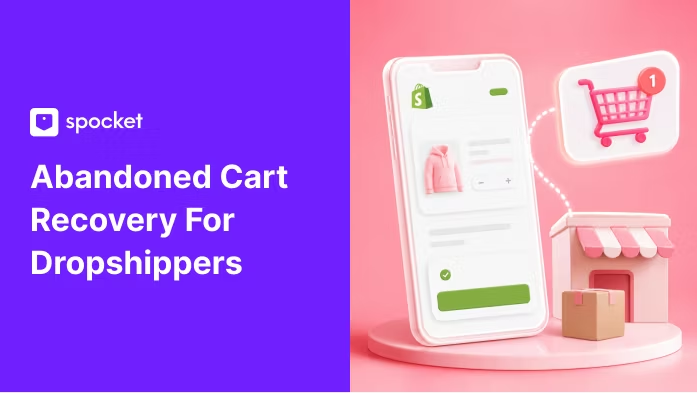
Abandoned Cart Recovery for Dropshippers
Learn how dropshippers can recover abandoned carts with email, SMS, retargeting, checkout optimization, and better product fulfillment strategies.
.avif)

Abandoned carts are one of the most frustrating parts of running a dropshipping store. A shopper finds your product, adds it to their cart, reaches checkout, and then leaves without completing the purchase. It feels like a lost sale, but it is also an opportunity.
Unlike cold visitors, abandoned cart shoppers have already shown interest. They liked the product enough to add it to their cart. That means they are much closer to buying than someone who has never visited your store before. With the right recovery strategy, you can bring some of these shoppers back and turn missed opportunities into revenue.
For dropshippers, abandoned cart recovery is especially important because customers may hesitate due to shipping times, unfamiliar brand names, unclear return policies, pricing concerns, or lack of trust. A strong recovery strategy helps answer those doubts and gives shoppers a reason to finish their purchase.

What Is Abandoned Cart Recovery?
Abandoned cart recovery is the process of re-engaging shoppers who added products to their cart but left your store before completing checkout. Instead of treating those shoppers as lost forever, you send reminders, offers, or helpful messages to encourage them to return and complete their order.
For dropshipping stores, this can include automated emails, SMS reminders, push notifications, retargeting ads, or even personalized offers. The goal is simple: remind the customer what they left behind and remove the doubts that stopped them from buying.
An abandoned cart does not always mean the customer changed their mind. Sometimes they got distracted. Sometimes shipping costs surprised them. Sometimes they wanted to compare prices. Sometimes they did not trust the store enough yet.
That is why cart recovery works best when it is helpful rather than pushy. Your message should remind shoppers of the product, answer common concerns, and make it easy for them to return to checkout.
Why Abandoned Cart Recovery Matters for Dropshippers
Dropshipping stores often spend money to bring visitors through ads, social media, SEO, influencer marketing, or email campaigns. When a shopper abandons their cart, part of that marketing effort is wasted unless you have a recovery system in place.
Abandoned cart recovery helps you get more value from the traffic you already have. Instead of only focusing on attracting new visitors, you can improve conversions from people who already showed buying intent.
This matters because dropshipping margins can be tight. Product cost, shipping, platform fees, transaction fees, and advertising costs all affect profit. Recovering even a small percentage of abandoned carts can improve your overall revenue without increasing your ad spend.
Cart recovery also helps you understand what is stopping customers from buying. If many shoppers abandon after seeing shipping costs, you may need clearer shipping information. If they leave at payment, your checkout process may need improvement. If they abandon after viewing delivery timelines, you may need better supplier options.
This is where Spocket can support dropshippers. By helping store owners source quality products from reliable suppliers, including options with faster shipping, Spocket can reduce some of the hesitation that often leads to abandoned carts.
Why Customers Abandon Carts
Customers abandon carts for many reasons. Some reasons are simple, such as distraction or needing more time. Others are connected to trust, pricing, shipping, or checkout friction.
Understanding why shoppers leave helps you create better recovery messages and improve your store experience.
Common reasons include:
- Unexpected shipping costs
- Long or unclear delivery timelines
- Complicated checkout process
- Lack of payment options
- No visible return policy
- Weak product descriptions
- Poor product images
- Missing customer reviews
- No trust signals
- Price comparison with other stores
- Distraction before checkout
For dropshipping stores, shipping concerns are often one of the biggest reasons. Customers want to know when their product will arrive and whether the store is reliable. If that information is hidden or vague, they may leave before paying.
To reduce abandonment, make key information easy to find. Show shipping expectations, return policies, product details, and support options before the shopper reaches checkout.
How Abandoned Cart Recovery Works
Abandoned cart recovery usually works through automation. When a shopper adds an item to their cart but does not complete checkout, your ecommerce platform or marketing tool records that activity. If the shopper has entered their email or phone number, the system can send follow-up messages.
The best recovery flows are not random. They are timed carefully and written with the customer journey in mind. The first message may simply remind the shopper about the product. The second may answer concerns. The third may include urgency, social proof, or a small incentive.
The goal is not to spam the customer. The goal is to help them return when they are still interested. Let’s learn in detail -
1. Build a Strong Abandoned Cart Email Sequence
Email is one of the most common abandoned cart recovery channels because it is affordable, automated, and easy to personalize. A single reminder can help, but a short sequence often works better because customers may need more than one nudge.
A good abandoned cart email sequence should feel helpful, not aggressive. It should remind the shopper what they left behind, make the return path simple, and address common purchase objections.
Email 1: The Friendly Reminder
The first email should be sent soon after abandonment, usually while the product is still fresh in the shopper’s mind. Keep it simple and direct.
The purpose of this email is to remind the customer that their cart is waiting. You do not need to offer a discount immediately. Many people leave because they were distracted, not because they rejected the product.
You can include:
- Product image
- Product name
- Short reminder message
- Clear “Return to Cart” button
- Support link or contact option
Example angle:
“Still thinking it over? Your cart is saved, and your selected item is waiting for you.”
Email 2: The Trust Builder
The second email should focus on reducing hesitation. If the customer did not return after the first reminder, they may have concerns about shipping, quality, returns, or store trust.
This email can include product benefits, reviews, FAQs, shipping details, or return policy information. For dropshipping stores, this is a good place to make the buying experience feel safer.
You can mention:
- Product benefits
- Customer reviews
- Shipping information
- Return policy
- Secure checkout
- Customer support
Example angle:
“Not sure yet? Here’s why customers love this product and what to expect after you order.”
Email 3: The Final Nudge
The third email can create urgency or include an incentive. This could be a small discount, free shipping offer, or limited-time reminder. Use this carefully so customers do not learn to abandon carts just to get discounts.
This email should still feel respectful. Avoid fake urgency or exaggerated claims. Instead, make the offer clear and easy to use.
You can include:
- Limited-time discount
- Free shipping reminder
- Low-stock message if true
- Final cart reminder
- Clear checkout button
Example angle:
“Your cart is almost gone. Complete your order today and enjoy a smoother shopping experience.”
2. Use SMS Carefully for Faster Recovery
SMS can be effective because people often check text messages quickly. However, it should be used carefully and only with proper consent. Customers should clearly agree to receive SMS updates or marketing messages.
For abandoned cart recovery, SMS works best when the message is short, useful, and not too frequent. It can be especially helpful for shoppers who are close to buying but need a quick reminder.
A good SMS message might say:
“Hi, you left something in your cart. Complete your order here: [link]”
If you use SMS, avoid sending too many messages. A single reminder or one SMS combined with an email flow is usually enough. Too many texts can feel intrusive and damage trust.
For dropshippers, SMS should also avoid overpromising. If shipping takes a few days or varies by supplier, do not use language that creates unrealistic expectations.
3. Recover Shoppers with Retargeting Ads
Retargeting ads help you reach shoppers who visited your store or added items to cart but did not buy. These ads can appear on platforms like Facebook, Instagram, or other ad networks depending on your setup.
Retargeting works because the shopper already knows the product. You do not need to introduce it from scratch. Instead, your ad should remind them of the product and give them a reason to return.
Good retargeting angles include:
- “Still interested?”
- Product benefit reminder
- Customer review
- Free shipping message
- Limited-time offer
- New product image or video
- FAQ-based reassurance
For example, if a customer abandoned a pet product, your retargeting ad could show the product in use with a short benefit-focused caption. If they abandoned a home organizer, the ad could show a before-and-after visual.
Retargeting should match the customer’s stage. Someone who added to cart is warmer than someone who only visited your homepage, so your message can be more direct.
4. Improve Checkout to Reduce Abandonment
Recovery messages are helpful, but prevention is even better. If your checkout process is confusing or slow, more shoppers will leave before paying.
A smooth checkout experience can reduce abandoned carts before recovery is even needed. For dropshipping stores, the checkout should feel simple, secure, and transparent.
Improve your checkout by:
- Keeping the checkout process short
- Offering popular payment options
- Showing shipping costs early
- Making return policies easy to find
- Avoiding surprise fees
- Making checkout mobile-friendly
- Using trust badges where appropriate
- Keeping forms simple
- Allowing guest checkout if possible
Customers should not feel surprised at the final step. If shipping costs, delivery timelines, or taxes appear only at the end, shoppers may abandon the cart.
Be clear earlier in the buying journey. If delivery takes a certain number of days, mention it on the product page. If you offer free shipping over a certain amount, show that before checkout.
5. Use Product Pages to Prevent Cart Abandonment
Your product page plays a big role in whether customers complete checkout. If the product page is weak, shoppers may add the product to cart but hesitate before paying.
A strong product page should answer the customer’s questions before they reach checkout. It should explain what the product does, why it is useful, how it works, and what the customer can expect.
Your product page should include:
- Clear product title
- High-quality images
- Benefit-led description
- Product specifications
- Shipping details
- Return policy information
- FAQs
- Reviews or testimonials
- Clear call-to-action button
For dropshippers, avoid using generic supplier descriptions without editing them. Rewrite descriptions in a natural tone and focus on customer benefits.
For example, instead of saying: “High quality material, suitable for daily use.”
Say: “Designed for everyday use, this product is easy to handle, practical, and made to fit naturally into your routine.”
This makes the product feel more trustworthy and easier to understand.
6. Offer Discounts Without Hurting Profit
Discounts can help recover abandoned carts, but they should not be your only strategy. If every abandoned cart email includes a discount, customers may start waiting for offers before buying.
Dropshippers should be especially careful because margins can be limited. A discount that looks small can still reduce your profit after product cost, shipping, platform fees, and ad spend.
Instead of offering discounts immediately, use them strategically.
You can test:
- First email: reminder only
- Second email: benefits and trust
- Third email: small discount or free shipping
You can also offer non-discount incentives, such as:
- Free shipping threshold
- Bundle deal
- Limited-time bonus
- Loyalty points
- Easy returns
- Faster shipping option if available
Before offering any discount, calculate your margin. Make sure the recovered sale is still profitable.
7. Build Trust with Clear Shipping Information
Shipping is one of the biggest concerns in dropshipping. Customers want to know when their order will arrive, how they can track it, and whether the store will support them if something goes wrong.
If shipping information is unclear, shoppers may abandon their carts because they do not want to take the risk.
Make shipping clearer by adding:
- Estimated delivery times
- Processing times
- Shipping cost details
- Tracking information
- Delivery FAQs
- Support contact details
- Return and refund policy
This is where Spocket can help dropshippers build a stronger post-purchase experience. By sourcing from reliable suppliers and offering access to products with faster shipping options, Spocket can help reduce uncertainty and improve customer confidence before checkout.
When customers trust the delivery experience, they are more likely to complete their purchase.
8. Personalize Your Recovery Messages
Personalization can make abandoned cart recovery feel more relevant. Instead of sending a generic message, include the product name, image, price, and direct cart link.
A personalized email reminds the shopper exactly what they left behind. This reduces friction because they do not need to search for the product again. You can personalize messages with:
- Customer name
- Product image
- Product title
- Cart total
- Recommended related products
- Direct checkout link
- Product benefits
Keep personalization simple and useful. The goal is to make the return journey easier, not to overwhelm the customer.
For example: “Your pet grooming brush is still waiting in your cart. Complete your order here.”
This feels more direct than a generic “You left something behind” message.
9. Track Your Abandoned Cart Recovery Performance
You cannot improve what you do not measure. Tracking abandoned cart recovery performance helps you understand whether your emails, SMS, offers, and checkout changes are working.
Important metrics include:
- Cart abandonment rate
- Email open rate
- Click-through rate
- Recovery rate
- Revenue recovered
- Discount usage
- Conversion rate
- Time to recovery
- Unsubscribe rate
If people open your emails but do not click, your message or offer may need improvement. If people click but do not buy, the checkout or product page may still be causing hesitation.
Also review which products are abandoned most often. A product with many abandoned carts may have pricing issues, unclear shipping details, weak images, or a mismatch between customer expectations and product value.
Best Practices for Dropshipping Cart Recovery
A good abandoned cart recovery system combines automation, trust-building, and customer-friendly messaging. It should not feel like a desperate sales push. Follow these best practices:
- Send the first reminder while the product is still fresh
- Use a short email sequence instead of only one message
- Include product images and direct checkout links
- Be clear about shipping and returns
- Avoid offering discounts too early
- Use SMS only with consent
- Retarget warm shoppers with relevant ads
- Keep checkout simple and mobile-friendly
- Track performance regularly
- Improve product pages based on abandonment patterns
The goal is to make buying easier. Every email, message, and ad should remove friction and help the customer feel more confident.
Common Mistakes to Avoid
Many dropshippers set up abandoned cart recovery once and then forget about it. But recovery flows need regular review. Customer behavior, product selection, shipping times, and offers can change over time.
Avoid these mistakes:
- Sending only one abandoned cart email
- Offering discounts immediately every time
- Using generic email copy
- Not including product images
- Hiding shipping information
- Ignoring mobile checkout issues
- Sending too many SMS messages
- Not tracking recovered revenue
- Using fake urgency
- Promoting low-quality products
Another mistake is treating cart recovery as a replacement for a good store experience. Recovery can bring some shoppers back, but it cannot fix poor product quality, unclear policies, or unreliable fulfillment.
Final Thoughts
Abandoned cart recovery is one of the most valuable strategies for dropshippers because it focuses on shoppers who already showed purchase intent. These customers are warmer than new visitors, which makes them worth following up with.
A strong recovery system uses email reminders, SMS when appropriate, retargeting ads, clear checkout flows, and trust-building messages. It also depends on strong product pages, transparent shipping information, and a reliable customer experience.
For dropshippers, recovery is not just about sending reminders. It is about removing the doubts that caused shoppers to leave in the first place. That includes unclear delivery timelines, weak product descriptions, surprise costs, and low trust.
With Spocket, dropshippers can support their recovery strategy by sourcing quality products from reliable suppliers and offering a smoother customer experience. When your products, shipping expectations, and store experience feel trustworthy, more shoppers are likely to return and complete their purchase.
Start your dropshipping business today
FAQs about Abandoned Cart Recovery
What is abandoned cart recovery?
Abandoned cart recovery is the process of bringing back shoppers who added items to their cart but left before completing checkout. It usually involves automated emails, SMS reminders, retargeting ads, or special offers.
Why do customers abandon carts in dropshipping stores?
Customers may abandon carts because of unexpected shipping costs, unclear delivery timelines, lack of trust, complicated checkout, missing payment options, weak product details, or distraction before purchase.
What is the best abandoned cart email sequence?
A simple three-email sequence works well for many stores. The first email reminds the shopper, the second builds trust, and the third creates urgency or offers an incentive.
Should dropshippers offer discounts for abandoned carts?
Discounts can help, but they should be used carefully. Start with a reminder and trust-building message before offering a discount. Always make sure the recovered sale remains profitable.
How can Spocket help reduce abandoned carts?
Spocket can help dropshippers source quality products from reliable suppliers, including options with faster shipping. Clearer product quality and better shipping expectations can reduce customer hesitation before checkout.


Launch your dropshipping business now!
Start free trial


Related blogs
Dropshipping Supplier Directory: Where to Find Vetted Suppliers
Browse our directory of vetted dropshipping suppliers across the US and EU, complete with niches, shipping speed, and pricing. Start your free trial today.

How to Negotiate With Dropshipping Suppliers: 9 Tactics That Actually Work
Learn how to negotiate with dropshipping suppliers on price, MOQs, and payment terms. Proven tactics and email scripts to boost your margins. Try Spocket free.

Best Clothing Dropshipping Suppliers: The 2026 Guide
Compare the best clothing dropshipping suppliers for 2026 — US/EU shipping speeds, pricing, and product quality — and find the right fit to launch your store.