Retargeting Ads for Dropshipping: How to Turn Window Shoppers into Buyers
Learn how dropshippers can use retargeting ads to recover lost visitors, reduce cart abandonment, and turn interested shoppers into paying customers.

.avif)

Most dropshipping visitors do not buy the first time they land on your store. They may browse a product, compare prices, check reviews, add an item to cart, and leave before checkout. Some get distracted. Others hesitate because of shipping times, trust concerns, or price comparisons.
Retargeting ads help bring these visitors back. Instead of spending your full budget on cold traffic, you can re-engage people who already showed interest in your products. These shoppers are warmer than first-time visitors because they have already clicked, viewed, watched, or added something to cart.
For dropshipping stores, retargeting is especially valuable. Many customers discover products through TikTok, Instagram, Facebook, Google, or Pinterest, but they often need more than one touchpoint before buying. A reminder ad, product demo, review, or limited-time offer can help move them from “maybe later” to “buy now.”
What Are Retargeting Ads?
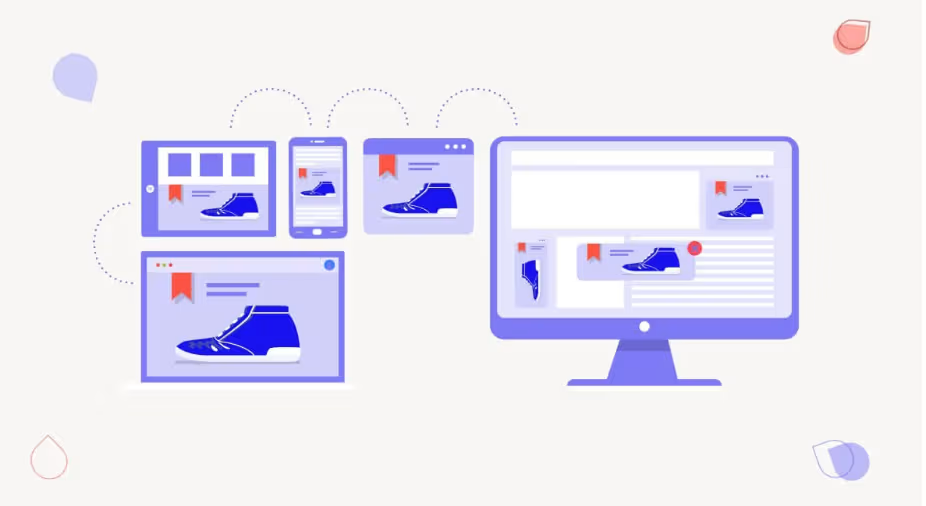
Retargeting ads are ads shown to people who have already interacted with your store, product pages, content, or checkout process. Instead of targeting a completely new audience, retargeting focuses on shoppers who have already shown interest.
These audiences may include people who:
- Visited your website
- Viewed a product page
- Added an item to cart
- Started checkout
- Watched a product video
- Clicked a previous ad
- Engaged with your social media page
- Purchased before
Retargeting usually works through tracking pixels, website events, customer lists, or platform engagement data. For example, if someone views a pet grooming brush on your store but leaves without buying, they may later see an ad showing that same product again.
The goal is simple: remind interested shoppers why they cared about the product and bring them back while the intent is still warm.
Why Retargeting Matters for Dropshipping
Dropshipping stores often rely on paid traffic and social discovery. That means many visitors arrive with curiosity, not immediate purchase intent. They may like the product, but they still need reassurance before completing checkout.
Retargeting helps recover part of that lost traffic. It allows you to keep showing up after the first visit and answer the doubts that stopped the shopper from buying.
Retargeting matters because it can help you:
- Reach people who already know your product
- Recover abandoned carts
- Reduce wasted ad spend
- Build trust through repeated exposure
- Show personalized product reminders
- Improve conversion rates
- Increase return on ad spend
Cold ads introduce the product. Retargeting ads handle hesitation. A shopper who viewed your product may need to see customer reviews, a better product demo, delivery details, or a small offer before they feel ready to buy.
For example, your first ad may show how a kitchen gadget works. Your retargeting ad can show a customer-style review, a free shipping reminder, or a direct cart recovery message.
How Retargeting Ads Work
Retargeting starts by tracking visitor behavior. When someone visits your website or interacts with your content, ad platforms can place that person into an audience based on the action they took.
Common retargeting events include:
- Page view
- Product view
- Add to cart
- Initiate checkout
- Purchase
- Video view
- Social engagement
- Email signup
Once these audiences are created, you can run ads that match each shopper’s behavior. Someone who only visited your homepage should see a different message than someone who abandoned checkout.
For example:
- Homepage visitors may see your best-selling collection.
- Product viewers may see a product demo.
- Cart abandoners may see a reminder or offer.
- Past customers may see related products.
The more specific your audience, the more relevant your message can be. This is why segmentation is important in dropshipping retargeting.
Best Retargeting Audiences for Dropshipping Stores
Not all visitors are at the same stage. Some are casually browsing, while others are close to purchasing. Segmenting your audience helps you show better ads and avoid wasting impressions.
Product Page Visitors
Product page visitors have shown interest, but they did not add anything to cart. They may need more information or a stronger reason to return.
Retarget them with:
- Product benefits
- Demo videos
- Customer-style reviews
- Before-and-after content
- Use-case examples
- Trust-building messages
The goal is to remind them why the product is useful and help them imagine owning it.
Add-to-Cart Visitors
These shoppers are more serious. They liked the product enough to add it to cart but stopped before buying.
Retarget them with:
- Cart reminders
- Limited-time offers
- Shipping details
- Product reviews
- Trust signals
- Urgency-based messaging
This audience often needs a small nudge. However, avoid offering discounts too early if a simple reminder could work.
Checkout Abandoners
Checkout abandoners are one of the highest-intent audiences. They started the buying process but did not complete payment.
Use direct ads such as:
- “Your cart is waiting”
- “Complete your order today”
- “Still interested?”
- “Finish checkout before it sells out”
- “Come back and complete your purchase”
If many people abandon checkout, also review your store. The problem may be unexpected shipping costs, unclear delivery times, limited payment options, or lack of trust.
Social Engagers
These are people who liked, commented, shared, saved, or watched your content. They may not have visited your store yet, but they know your brand.
Retarget them with:
- Product demos
- Best-selling products
- Introductory offers
- Collection ads
- Creator-style videos
This works well for dropshippers using TikTok, Instagram, and Facebook for product discovery.
Past Customers
Retargeting is not only for lost visitors. Past customers can be shown related products, bundles, seasonal offers, or replenishment reminders.
For example:
- A pet product buyer may like grooming tools.
- A kitchen gadget buyer may like storage containers.
- A beauty tool buyer may like makeup organizers.
This can help increase repeat purchases and customer lifetime value.
Best Retargeting Ad Types for Dropshipping
A good retargeting strategy uses different ad formats for different stages of the buyer journey. The goal is to make each ad feel relevant instead of repetitive.
Dynamic Product Ads
Dynamic product ads show shoppers the exact products they viewed or added to cart. These are useful for stores with multiple products because the ad automatically matches the shopper’s browsing behavior.
They work best for:
- Product viewers
- Cart abandoners
- Multi-product stores
- Collection-based stores
If someone viewed a home organizer, they see that same organizer again instead of a random product. This keeps the reminder specific and familiar.
Video Retargeting Ads
Video ads are effective because they show the product in action. If someone viewed the product but did not buy, a quick demo can remove doubts.
Use video retargeting to show:
- How the product works
- What problem it solves
- The result after using it
- Real-life use cases
- Customer-style feedback
Short, simple videos often perform better than polished commercials. A creator-style demo can feel more natural and trustworthy.
Review and Testimonial Ads
Social proof is important in dropshipping because new customers may not know your store yet. Retargeting ads with reviews or user-generated content can help build confidence.
Use this format to show:
- Customer quotes
- Product ratings
- User-generated content
- Before-and-after results
- “Why shoppers love it” messages
Keep the tone honest. Overhyped reviews can reduce trust instead of building it.
Offer-Based Ads
Offer-based ads can help bring back hesitant shoppers. These work especially well for cart abandoners and checkout abandoners.
Offer ideas include:
- Small discount code
- Free shipping threshold
- Bundle deal
- Limited-time offer
- Buy more, save more offer
Use discounts carefully. If shoppers learn that leaving the cart always triggers a discount, they may wait instead of buying immediately.
Collection Retargeting Ads
Collection ads are useful when shoppers browse but do not choose one product. Instead of showing a single item, you can show a group of related products.
Examples include:
- Pet grooming essentials
- Home organization must-haves
- Kitchen problem-solvers
- Travel accessories
- Beauty tools under a set price
This works well for Spocket sellers who build niche collections around quality products from reliable suppliers.
Retargeting Strategy by Funnel Stage
Retargeting works best when it follows the customer journey. A shopper who watched a video needs a different message than someone who abandoned checkout.
Top Funnel: Warm Up Social Engagers
These users have interacted with your content but may not have visited your store. Use retargeting to introduce your best products.
Best content includes:
- Product demos
- Problem-solution clips
- “Best finds” videos
- Creator-style content
- Collection ads
The goal is to turn attention into product page visits.
Middle Funnel: Re-Engage Product Viewers
These shoppers viewed products but did not add to cart. They may need more trust or context.
Best content includes:
- Benefit reminders
- Customer reviews
- Product demos
- FAQ-style ads
- Comparison clips
The goal is to move them from interest to consideration.
Bottom Funnel: Recover Cart and Checkout Abandoners
These shoppers are closest to buying. Your message should be clear and direct.
Best content includes:
- Cart reminder ads
- Shipping reminders
- Limited-time offers
- Trust badges
- Review-based ads
The goal is to bring them back to complete the purchase.
Post-Purchase: Increase Repeat Sales
Once someone buys, retarget them with related products. This helps turn one-time buyers into repeat customers.
Best content includes:
- Related products
- Bundles
- Seasonal collections
- New arrivals
- Refill or replacement reminders
Best Platforms for Dropshipping Retargeting
You do not need to use every platform at once. Start with the platforms where your traffic already comes from.
Meta Retargeting Ads
Meta retargeting works across Facebook and Instagram. It is useful for product page visitors, cart abandoners, video viewers, and social engagers. It works well for visual products such as fashion, beauty, pet items, home decor, and wellness products.
TikTok Retargeting Ads
TikTok retargeting is useful if you use short-form video for product discovery. You can retarget video viewers, website visitors, profile visitors, and people who engaged with your content. TikTok works best when the creative still feels native. Avoid overly polished ads that feel disconnected from the platform.
Google Remarketing Ads
Google remarketing can show ads across display placements, YouTube, Gmail, and search-related spaces. It is useful for product reminders and staying visible after someone leaves your store. Google can work well for products with clear search demand.
Pinterest Retargeting Ads
Pinterest retargeting is useful for visual products and shoppers who plan purchases over time. It can work well for home decor, fashion, beauty, seasonal products, wedding items, and gift ideas.
Retargeting Ad Copy Examples
Retargeting copy should be helpful, direct, and relevant. The shopper already knows the product, so you do not need to explain everything again. Examples include:
- “Still thinking about this?”
- “Your cart is waiting.”
- “See why shoppers love this product.”
- “One small upgrade for your daily routine.”
- “Complete your order before it sells out.”
- “You viewed it. Now see it in action.”
- “Loved this product? Here are more picks like it.”
For product viewers, focus on benefits. For cart abandoners, use reminders. For past customers, recommend related products.
Common Retargeting Mistakes to Avoid
Retargeting can improve conversions, but poor execution can feel repetitive or annoying.
Avoid these mistakes:
- Showing the same ad too many times
- Using one message for every audience
- Retargeting people after they already purchased
- Sending traffic to weak product pages
- Offering discounts too early
- Ignoring mobile experience
- Using low-quality product images
- Forgetting to exclude irrelevant audiences
- Promising unrealistic shipping times
- Not testing new creatives
Frequency matters. If shoppers see the same ad too often, they may ignore it. Refresh your creatives regularly and test new angles.
How to Improve Retargeting Conversions
Retargeting does not work alone. Your product page, pricing, shipping details, and checkout experience all affect results.
To improve conversions:
- Use clear product images
- Add benefit-focused descriptions
- Show reviews or social proof
- Make shipping timelines visible
- Keep checkout simple
- Use mobile-friendly pages
- Match ad creative to the product page
- Test different offers
- Track results by audience
If people click your retargeting ads but still do not buy, check the product page. The problem may not be the ad. It could be unclear pricing, missing trust signals, long delivery times, or weak product information.
Retargeting brings shoppers back, but your store still needs to earn the sale. That depends on product quality, supplier reliability, shipping expectations, and trust.
Spocket helps dropshippers source quality products from reliable suppliers, including US and EU supplier options. This gives sellers a stronger foundation for retargeting because they can promote products with more confidence.
Conclusion
Retargeting ads are one of the most effective ways to turn dropshipping window shoppers into buyers. Most visitors will not purchase on their first visit, but many are still interested. Retargeting gives you another chance to bring them back with reminders, demos, reviews, offers, and cart recovery messages.
Start by segmenting your audiences. Product viewers, cart abandoners, checkout abandoners, social engagers, and past customers all need different messages. Then match your ad format and copy to their stage in the funnel.
For dropshippers, retargeting works best when your products and fulfillment support the promise made in your ads. Spocket helps sellers build that foundation with reliable suppliers, quality products, and faster shipping options on selected items. When your retargeting ads bring shoppers back, your store should be ready to turn their interest into a confident purchase.
Start your dropshipping business today
FAQs About Retargeting Ads for Dropshipping
What are retargeting ads in dropshipping?
Retargeting ads are ads shown to people who have already interacted with your dropshipping store, product pages, social content, or checkout. They help bring back visitors who viewed products, added items to cart, or started checkout but did not complete their purchase.
Why are retargeting ads important for dropshipping stores?
Retargeting ads are important because most shoppers do not buy on their first visit. They may need reminders, product demos, reviews, shipping details, or a small offer before they feel ready to purchase. Retargeting helps recover lost traffic and improve conversions.
Which audiences should dropshippers retarget?
Dropshippers should retarget product page visitors, add-to-cart users, checkout abandoners, social media engagers, video viewers, email subscribers, and past customers. Each audience should receive a different message based on how close they are to buying.
What type of retargeting ad works best for dropshipping?
Dynamic product ads, video demos, cart reminder ads, review-based ads, collection ads, and limited-time offer ads work well for dropshipping. The best format depends on the shopper’s stage, product type, and platform.


Launch your dropshipping business now!
Start free trial


Blogs relacionados
Directorio de proveedores de dropshipping: dónde encontrar proveedores verificados
Explora nuestro directorio de proveedores de dropshipping verificados en EE. UU. y la UE, con información sobre nichos, tiempos de envío y precios. Comienza tu prueba gratuita hoy mismo.

Cómo negociar con proveedores de dropshipping: 9 tácticas que realmente funcionan
Aprende a negociar precios, cantidades mínimas de pedido (MOQ) y condiciones de pago con tus proveedores de dropshipping. Utiliza tácticas probadas y plantillas de correo para aumentar tus márgenes. Prueba Spocket gratis.

Los mejores proveedores de dropshipping de ropa: La guía 2026
Compara los mejores proveedores de dropshipping de ropa para 2026 (velocidad de envío en EE. UU./UE, precios y calidad del producto) y encuentra el socio ideal para lanzar tu tienda.