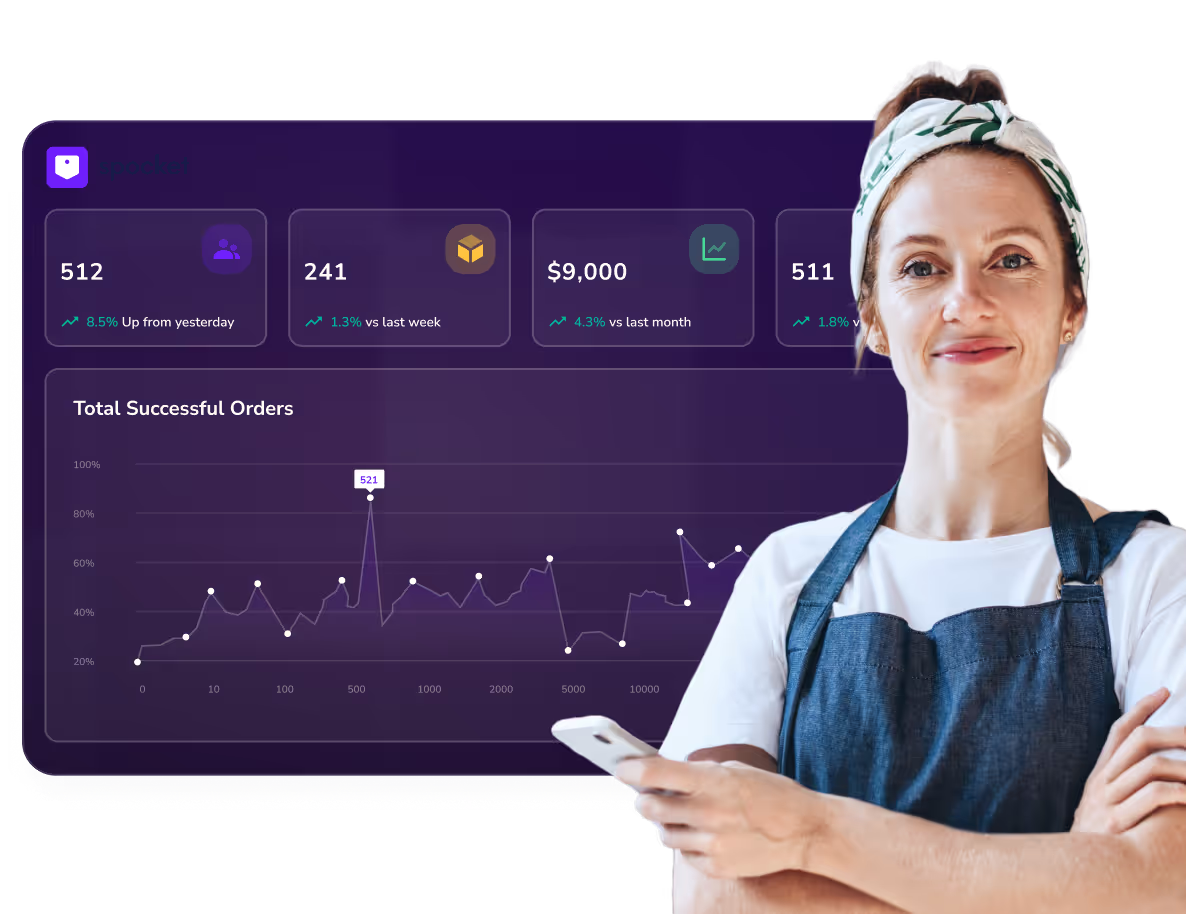
Ist Dropshipping in Singapur legal?
Ist Dropshipping in Singapur legal? Informieren Sie sich über Gesetze, GST-Regeln, Unternehmensregistrierung und Compliance-Tipps, um legal anzufangen und Strafen zu vermeiden.

.avif)

Starting a dropshipping business in Singapore is an attractive option for entrepreneurs looking to make money online with low upfront investment. But before you dive in, one important question comes up: is dropshipping legal in Singapore? The short answer is yes—but like any business, it comes with specific rules, taxes, and compliance requirements you must follow.
Singapore is known for its business-friendly environment, strong eCommerce infrastructure, and clear legal framework. This makes it one of the best places to start a side hustle or build a scalable online store. However, understanding regulations like GST, consumer protection laws, and business registration is crucial to avoid penalties and operate confidently.
In this guide, you’ll learn everything you need to legally start and grow a dropshipping business in Singapore.
Is Dropshipping Legal in Singapore? Quick Verdict
Yes, dropshipping is legal in Singapore. There is no Singapore law that specifically bans the dropshipping model. In practice, it is treated like any other online retail business, which means you can run it legally as long as you follow the rules that apply to eCommerce, consumer protection, contracts, and personal data handling. This is a practical inference from Singapore’s business-registration framework and the laws that govern online trade and consumer transactions.
Here’s the simple answer readers usually want:
- Yes, dropshipping is allowed in Singapore
- It is treated as a standard eCommerce business
- You must follow business registration, consumer law, and data privacy rules
- If your business grows, tax obligations may also apply, including GST rules for eligible businesses.
For readers, the takeaway is clear: dropshipping itself is not illegal. Problems usually happen only when sellers mislead customers, fail to register properly, misuse personal data, or sell products in a way that breaks Singapore law.
How Dropshipping Works in Singapore
Dropshipping is a business model where you sell products online without keeping stock yourself. When a customer places an order on your store, the order is sent to a third-party supplier, who packs and ships the item directly to the buyer.
In simple terms:
- You run the online store
- The supplier stores and ships the product
- The customer buys from your brand, not from the supplier
- Your profit is the difference between your selling price and supplier cost
This model is popular because it lowers the barrier to entry. You do not need to buy inventory upfront, rent storage space, or manage warehousing. That makes it appealing for new founders, side hustlers, and small eCommerce brands in Singapore.
Roles in the process
Store owner
- Builds the website
- Lists products
- Sets prices
- Handles marketing and customer support
Supplier
- Stores inventory
- Packs the order
- Ships the product to the customer
Even though the supplier fulfills the order, the customer relationship is still yours. So if delivery is late, the product is wrong, or the listing is misleading, your business may still face complaints or legal issues under Singapore consumer law.
Legal Framework Governing Dropshipping in Singapore
If you want to start a dropshipping business in Singapore legally, these are the main compliance areas to understand.
Business Registration with ACRA
In Singapore, a business generally needs to be registered with ACRA through Bizfile before it starts operating. ACRA also provides different business structures, including sole proprietorships and companies, through its registration system.
Here’s what matters most:
- Business registration is mandatory for operating a formal business
- You can choose a sole proprietorship if you want a simpler structure
- You can choose a private limited company (Pte. Ltd.) if you want a separate legal entity and a more scalable structure
- After registration, your entity is issued a Unique Entity Number (UEN) for official business use.
For most beginners, the choice usually comes down to this:
- Sole proprietorship: easier and cheaper to start, but no separation between personal and business liability
- Pte. Ltd.: more formal and credible, with separate legal identity, often better for long-term growth
Key Laws You Must Follow
Singapore does not have a “dropshipping law,” but several existing laws affect how you sell online.
Consumer Protection (Fair Trading) Act (CPFTA)
This law protects consumers against unfair practices and gives them rights when goods or services do not conform to the contract. That matters in dropshipping because misleading claims, hidden terms, or false discounts can create risk.
Sale of Goods Act
This Act applies to contracts for the sale of goods. In practical terms, it supports the legal framework around product sales, delivery expectations, and buyer-seller obligations.
Electronic Transactions Act
This law supports the legal use of electronic records and eCommerce transactions in Singapore. It helps give legal certainty to online contracts, records, and digital communications.
Misrepresentation Act
If a buyer enters into a contract because of a false statement, this Act can become relevant. For dropshippers, that means product pages, shipping claims, pricing, and promotional promises must be accurate.
What this means for your store
To stay safe, make sure you:
- Write truthful product descriptions
- Avoid fake urgency, false discounts, or exaggerated claims
- State shipping times clearly
- Publish fair refund and return policies
- Make sure your supplier’s product details are accurate before listing them
That is what legal compliance looks like in day-to-day dropshipping.
Data Privacy Laws (PDPA)
If you collect customer names, phone numbers, email addresses, or shipping details, the Personal Data Protection Act (PDPA) applies. The PDPA governs how organisations collect, use, disclose, and care for personal data in Singapore.
The PDPC also says organisations must meet data protection obligations, including accountability measures and making business contact information for the designated Data Protection Officer available to the public.
For a dropshipping store, that means:
- Collect only the customer data you actually need
- Tell users why you are collecting it
- Get consent where required
- Keep customer data secure
- Share data with suppliers only for legitimate order fulfillment purposes
This is especially important if you use email marketing, remarketing tools, or third-party apps in your store.
Taxation Rules for Dropshipping in Singapore
Tax is one of the biggest compliance areas for anyone asking if dropshipping is legal in Singapore. The model is legal, but your tax treatment depends on how your business is structured, where your customers are, and whether goods are imported into Singapore.
GST (Goods and Services Tax)
Singapore’s GST rate is 9%. GST registration becomes compulsory if your taxable turnover is more than S$1 million at the end of the calendar year, or if you expect it to exceed $1 million in the next 12 months.
A few practical points matter for dropshippers:
- 9% GST is the current rate in Singapore.
- Registration is mandatory above S$1 million, subject to IRAS rules.
- GST can still matter even if your supplier is overseas, because Singapore taxes local consumption, including certain imported goods and overseas supplies.
For readers, the simple takeaway is this: if you sell to Singapore customers, do not assume overseas sourcing keeps you outside GST rules. That is a common mistake.
Corporate Tax
Singapore’s corporate income tax rate is 17%, which is one reason many founders consider the country business-friendly. New qualifying companies may also benefit from start-up tax exemptions in their first 3 consecutive Years of Assessment.
Here is the concise version:
- 17% corporate tax rate applies to companies.
- Eligible start-ups can get tax exemption support in the first 3 Years of Assessment.
- If you operate as a sole proprietorship, your tax treatment differs from that of a company, so your business structure matters.
This means your store may be low-cost to launch, but you still need proper tax planning from day one.
Import Duties & Customs
If your dropshipping business involves goods entering Singapore, customs rules may apply. Singapore Customs states that all imported goods are subject to GST at the prevailing rate, and duty also applies for dutiable goods imported for local consumption.
Keep these points in mind:
- Import GST may apply when goods enter Singapore.
- Some goods are dutiable, while others are non-dutiable.
- If you sell across borders, you may also need to think about declarations, permits, and customs paperwork.
For most beginners, this means you should know where the goods are shipped from, where they enter, and who is legally acting as the importer.
Consumer Protection & Compliance Requirements
If you want to run a legal dropshipping business in Singapore, compliance is not just about registration and tax. It is also about how you treat customers. Singapore’s consumer law focuses heavily on fairness, transparency, and accurate selling practices.
Here is what your store should get right:
- Accurate product descriptions
Do not copy supplier listings blindly. Dimensions, materials, usage claims, and product images should match what the buyer will actually receive. - Transparent pricing
Final prices, shipping charges, and extra fees should be clear before checkout. - Refund and return policies
Your return policy should be easy to find and easy to understand. Hidden conditions can damage trust and create disputes. - Delivery timelines
Give realistic shipping estimates, especially if items come from overseas suppliers. - Avoid misleading claims
Do not overpromise on quality, delivery speed, stock availability, or product benefits.
This is where many dropshipping stores fail. The supplier may ship the item, but the customer still holds your store responsible for the buying experience.
Do You Need a License for Dropshipping in Singapore?
In general, no special dropshipping license is required in Singapore just because you are using the dropshipping model. For most standard retail products, the main legal requirement is proper business setup and compliance with eCommerce, tax, and consumer laws.
But there are important exceptions. Some product categories are regulated and may need permits, notifications, or approvals before you sell them.
Common exceptions include
- Health products regulated by HSA.
- Food items, where online food businesses may need relevant SFA licences depending on the activity.
- Cosmetics, which are regulated by HSA and may require product notification and compliance with safety rules.
- Restricted or controlled goods, which can require authorisation or import permits.
So the real answer is: generally no license, but product type matters. If you are selling regulated items, check the regulator before listing them.
Is Dropshipping Profitable and Safe in Singapore?
Dropshipping can be profitable in Singapore, especially because the country has a strong digital market and a highly connected consumer base. IMDA’s latest digital society data shows household internet access and online buying activity remain very high, which supports eCommerce demand.
Why the model attracts sellers:
- Strong eCommerce environment
- High internet penetration and digital adoption
- Lower startup costs than traditional retail
- Easier testing of products and niches
At the same time, it is not risk-free.
Main risks to mention
- Supplier issues
Poor quality control, stock outages, or wrong items can hurt your brand. - Shipping delays
This is one of the biggest pain points in cross-border dropshipping. - Legal penalties if non-compliant
Tax, import, product safety, and consumer law breaches can create real business risk.
So yes, dropshipping in Singapore can be both profitable and safe, but only when you choose reliable suppliers, set realistic expectations, and stay compliant.
Step-by-Step Guide to Start Dropshipping Legally in Singapore
If you want to know how to start dropshipping legally in Singapore, the safest approach is simple: set up your business properly, choose compliant products, and make your store transparent from day one. Singapore supports online businesses through ACRA’s registration system, while GST, consumer protection, and other laws apply once you begin selling.
Step 1 – Register Your Business
Start by registering your business with ACRA through Bizfile. This is the formal first step for running a legal online business in Singapore. Most beginners choose either a sole proprietorship for simplicity or a private limited company for stronger legal separation and long-term scalability. ACRA also issues a UEN for registered entities, which you will use for official business matters.
Step 2 – Choose a Profitable Niche
Pick a niche with stable demand, reasonable margins, and low compliance risk. For a new store, it is smarter to avoid heavily regulated categories at first, such as health products, cosmetics, or food, because these often come with extra legal requirements. A practical niche is one where customer expectations are clear and return rates are manageable.
Step 3 – Find Reliable Suppliers
Your supplier affects product quality, delivery speed, and customer satisfaction. Since the customer buys from your store, poor supplier performance can still trigger complaints against your business under consumer protection rules. Vet dropshipping suppliers in Singapore carefully for product quality, authenticity, shipping consistency, and communication.
Step 4 – Build Your Online Store
Create a store that clearly explains what you sell, how long delivery takes, how returns work, and what customers should expect. Your product pages should be accurate and your checkout should not hide fees or important terms. Singapore’s consumer protection framework is built around fair dealing and transparency, so clarity is not just good UX, it is part of compliance.
Step 5 – Set Up Payments & Shipping
Before launching, make sure your payment setup, shipping zones, and delivery timelines match how your suppliers actually operate. If goods are imported into Singapore, GST and customs rules may also come into play, so it is important to understand who is acting as the importer and what charges may apply.
Step 6 – Ensure Legal Compliance
This is where many stores get careless. Check whether you need GST registration as revenue grows, make sure your product claims are truthful, protect customer data properly, and avoid selling regulated or restricted products without approvals. If your taxable turnover exceeds S$1 million, GST registration can become compulsory under IRAS rules.
Step 7 – Market Your Store
Once the legal basics are in place, focus on sustainable growth. Market with honest claims, realistic pricing, and content that answers customer questions clearly. Avoid fake scarcity, false discounts, or exaggerated promises, since misleading marketing can quickly create legal and reputational risk.
Common Legal Mistakes to Avoid in Singapore Dropshipping
Many stores do not get into trouble because dropshipping is illegal. They get into trouble because execution is sloppy. These are the mistakes most worth avoiding if you want to run a compliant dropshipping business in Singapore.
- Not registering the business
Selling online without proper registration creates unnecessary legal and operational risk. ACRA is the official route for setting up a business entity in Singapore. - Ignoring GST
Some sellers assume overseas suppliers keep them outside Singapore tax rules. That is not always true. IRAS states GST registration is compulsory once the threshold tests are met. - Selling counterfeit products
This is one of the fastest ways to damage your brand and create legal exposure. If you are sourcing branded goods, authenticity checks matter. IPOS is Singapore’s lead agency for intellectual property matters. - Misleading product descriptions
Overstating quality, features, or delivery speed can fall into unfair practice territory. Product pages should match reality, not just supplier copy. - Poor refund policies
Hidden or confusing return terms create friction and complaints. A visible, readable refund policy helps reduce disputes and builds trust.
Pros and Cons of Dropshipping in Singapore
Dropshipping works well in Singapore for founders who want a low-cost way into eCommerce, but it is not friction-free. The model is attractive because setup is lean, though compliance and supplier control still matter.
Advantages
- Low startup cost
You can launch without buying bulk inventory upfront, which lowers risk. - No inventory holding
Suppliers store and ship products, so you do not need warehousing. - Scalable
You can test products and expand faster than in traditional retail if operations stay reliable.
These are the main reasons dropshipping remains a popular entry point for online selling.
Challenges
- Supplier dependency
Your business depends on third parties for fulfillment and quality. - Lower margins
Competition and ad costs can squeeze profits. - Compliance requirements
Registration, GST, customer fairness, and data handling all still apply.
Conclusion
So, is dropshipping legal in Singapore? Yes, it is legal, but it is also regulated. The business model itself is allowed; your success depends on how well you handle registration, tax, product accuracy, customer experience, and compliance. Singapore remains one of the better places to start because the legal framework is clear and the business environment is structured.
If you want to build a more reliable store from the start, using a vetted supplier network can reduce common issues like poor fulfillment, inconsistent product quality, and unhappy customers. That is where Spocket can fit naturally into your workflow by helping you source products more confidently and build a stronger dropshipping business with fewer supplier-side surprises.
Start your dropshipping business today
Ist Dropshipping in Singapur legal? Häufig gestellte Fragen
Is dropshipping 100% legal in Singapore?
Yes, dropshipping is legal in Singapore if you register your business properly, follow tax rules, protect customer data, and comply with consumer protection and eCommerce laws.
Do I need to register a business for dropshipping in Singapore?
Yes, to run a legal dropshipping business in Singapore, you generally need to register your business with ACRA and operate under an approved business structure.
Do dropshippers need to pay GST in Singapore?
Dropshippers in Singapore may need to pay GST. Registration becomes mandatory when taxable turnover exceeds S$1 million or when future revenue is expected to cross that threshold.
Can foreigners start a dropshipping business in Singapore?
Yes, foreigners can start a dropshipping business in Singapore, usually by setting up a company and appointing a local resident director or using a corporate service provider.
Is Shopify dropshipping legal in Singapore?
Yes, Shopify dropshipping is legal in Singapore. The platform is legal to use, but your business must still comply with Singapore tax, consumer, and data protection laws.
Do I need a license to start dropshipping in Singapore?
Usually, no special license is needed for dropshipping in Singapore, unless you sell regulated goods such as food, cosmetics, health products, or other restricted items.
What laws apply to dropshipping in Singapore?
Dropshipping in Singapore is governed by consumer protection laws, GST rules, PDPA, contract and sale of goods laws, and the Electronic Transactions Act.
Can I dropship from overseas suppliers to Singapore?
Yes, you can dropship from overseas suppliers to Singapore, but you must follow import, GST, customs, and product declaration rules to stay compliant.


Launch your dropshipping business now!
Start free trial


Verwandte Blogs
Dropshipping-Lieferantenverzeichnis: Wo Sie geprüfte Lieferanten finden
Durchsuchen Sie unser Verzeichnis geprüfter Dropshipping-Lieferanten aus den USA und der EU, inklusive Informationen zu Nischen, Versanddauer und Preisen. Starten Sie noch heute Ihre kostenlose Testphase.

Wie man mit Dropshipping-Lieferanten verhandelt: 9 Taktiken, die wirklich funktionieren
Erfahren Sie, wie Sie mit Dropshipping-Lieferanten Preise, Mindestbestellmengen (MOQs) und Zahlungsbedingungen aushandeln. Mit bewährten Taktiken und E-Mail-Vorlagen steigern Sie Ihre Margen. Testen Sie Spocket kostenlos.

Die besten Dropshipping-Lieferanten für Bekleidung: Der Leitfaden für 2026
Vergleichen Sie die besten Dropshipping-Anbieter für Bekleidung im Jahr 2026 – basierend auf Versandzeiten in den USA/EU, Preisen und Produktqualität – und finden Sie den passenden Partner für Ihren Shop-Start.