Best Delivery Apps to Make Money in 2026
See which delivery apps pay well in 2026 if you want flexible income. Get clear numbers on earnings, hours, and tips before signing up.


Here’s a public service announcement from us, especially if you’re tired of staring at your low bank balance! You can turn that scooter, bike, or car into steady cash with delivery work, and you don’t need a fancy resume for it. You just need your phone, some hustle, and the right apps.
You will see all kinds of income claims online, from “$50 a night” to “$1,000 weeks.” Some are real, some are just noise. If you want rent money, debt payoff money, or “I’m done living paycheck to paycheck” money, the right delivery app stack changes your month fast. Let’s walk through how these apps run and where the real money hides.
How Do Delivery Apps Work?
- You open an app, toggle “online,” and start catching orders.
- Each order shows how far you’ll go and what you’ll earn
- You complete the drop-off, then the app tracks your payouts, bonuses, and tips automatically.
Sign‑Up, Requirements, and Onboarding
Most apps want the basics: ID, background check, vehicle info, and a smartphone with decent data. Some are fine with bikes and e‑bikes; others prefer scooters or cars. In India or the Middle East, many apps will onboard you through local fleet partners or agencies instead of hiring you directly.
During onboarding, you’ll watch quick training clips, sign a contractor agreement, and upload documents. In some regions, you get branded gear or a delivery bag from the partner company. You should read the rate card for your city very slowly, because the real difference between “okay money” and “great money” is usually hidden in incentives and distance slabs.
Accepting Orders and Handling Trips
Once you are active, the app will start throwing orders at you with info like restaurant name, customer area, distance, and estimated payout. In the US, you usually see an upfront pay estimate that already includes at least part of the tip. In India or the Gulf, you often see distance, order type, and incentive flags rather than each rupee or dirham broken down.
You should treat each order like a small math problem: distance, traffic, building type, and payout. Short trips with strong tips or surge can beat long highway runs that look big at first. Multi‑order stacks from one restaurant can also save time, but only if the app isn’t sending you in circles across town.
Getting Paid, Bonuses, and Taxes
Most apps break your money into three buckets: base pay, extra promos, and tips. Tips can be half your money on a good night, so nicer service and better communication are not just “customer service,” they’re income tools.
Payouts usually hit weekly by direct deposit, but instant cash‑out is common for a small fee or free with certain banks. If you sign up through fleet partners, you may get a monthly salary plus per‑order incentives instead of pure gig pay. You will need to track fuel, maintenance, and taxes yourself, because the app is not doing that math for you.
Benefits of Using Delivery Apps to Make Money
Delivery apps sit between a part‑time job and a full‑time hustle.
You can treat them as backup money or your main income, depending on your energy and schedule.
Flexible hours around your life
You can switch the app on after your day job, during college breaks, or when kids are asleep. If you need a week off, you simply don’t log in. That beats arguing with a manager for leave every time you need a breather.
Quick payouts
Traditional jobs can take weeks before the first paycheck. With many delivery apps, you can start earning the same week you get approved, sometimes cashing out on the same day. If you are dealing with urgent bills, that speed matters a lot.
Multiple income streams from one phone
You can stack apps: food, groceries, pharmacy, and even nationwide shipping in some regions. When one app goes quiet, you switch to another tab and keep working instead of sitting in a parking lot watching your balance stay at zero.
Decent upside if you learn your zones
If you spend time figuring out hot areas, building relationships with restaurants, and timing peak hours, your hourly earnings climb. Experienced drivers on top apps often report ranges like 15–28 dollars per hour in strong US markets, or ₹1,000–₹1,600 days in Indian metros.
No boss riding in your passenger seat
You still answer to ratings and app rules, but nobody is peeking over your shoulder every minute. You can run your own playlist, drive your own routes, and quietly ignore the chatty restaurant worker if you had a long day already. Just keep the customer orders correct and on time.
Solid backup during tough months
If your main job cuts hours or freelance clients slow down, you can ramp up your delivery shifts. Food, groceries, and medicine orders usually stay strong when other sectors look shaky, because people still need dinner, snacks, and pills.
Room to switch from part‑time to full‑time
You might start with three nights per week, then push to 25–35 hours when you notice your earnings trend. Many drivers treat apps like DoorDash, Uber Eats, or Swiggy as a full‑time gig for months when they need aggressive savings.
How to Choose the Best Delivery Apps
There is no clear cut answer to this. It will depend on your working hours, lifestyle, and personal schedule and preferences. You will only feel the difference once you start tracking your pay per hour, per kilometer, and per day.
Here are some things to consider when choosing the best delivery apps:
Earnings per hour in your actual city
You should look at local reports, not just national averages. Some apps pay 20–28 dollars an hour in busy US cities, but barely touch 12 dollars in slow towns. In India, Zomato or Swiggy can cross ₹20,000–₹30,000 per month only if your city has steady orders and you hit incentive targets.
Type of orders you enjoy
Food delivery means constant restaurant pickups and apartment stairs. Grocery and convenience apps like Gopuff or Instamart mean more bags but fewer restaurants. If you hate waiting at crowded counters, a warehouse‑style gig may feel calmer. If you like short, quick trips, traditional food orders might feel more fun.
Vehicle, fuel costs, and distances
Scooters and bikes shine in dense cities with short trips. Car‑based apps can pay nicely in suburbs but fuel and maintenance eat your net pay if distances are huge. You should match the app with your vehicle and keep an honest log of gas, charging, and repairs.
Incentives, bonuses, and guarantees
Some platforms add peak pay on top of every order during rush hours; others give weekly missions, block guarantees, or hourly minimums. If you are willing to work nights, rain, or heat waves, those promotions can push your hourly rate far higher than base pay alone.
Onboarding route in your region
In the US, you usually sign up directly inside the app and stay a contractor. In the Gulf or some Indian cities, you may sign with a fleet company that controls your schedule, bike, and visa. You should judge whether you prefer pure flexibility or a more fixed arrangement with a salary plus incentives.
Support, safety, and app reliability
Crashes, slow GPS, and poor support can turn a simple trip into a headache. You should pay attention to how fast the app resolves payout issues and how they handle unsafe delivery addresses or problem customers. Driver forums and Reddit threads tell you a lot very quickly.
Try multiple apps and see
Juggling two or three apps can raise your income but also fry your brain if the interfaces are messy. Some drivers keep one “main” app and one backup that they flip to during dead time. You will need to pick combinations that match your attention span and local demand patterns.
13 Best Delivery Apps to Make Money in 2026
Here is a list of the 13 best delivery apps for making money in 2026:
1. DoorDash
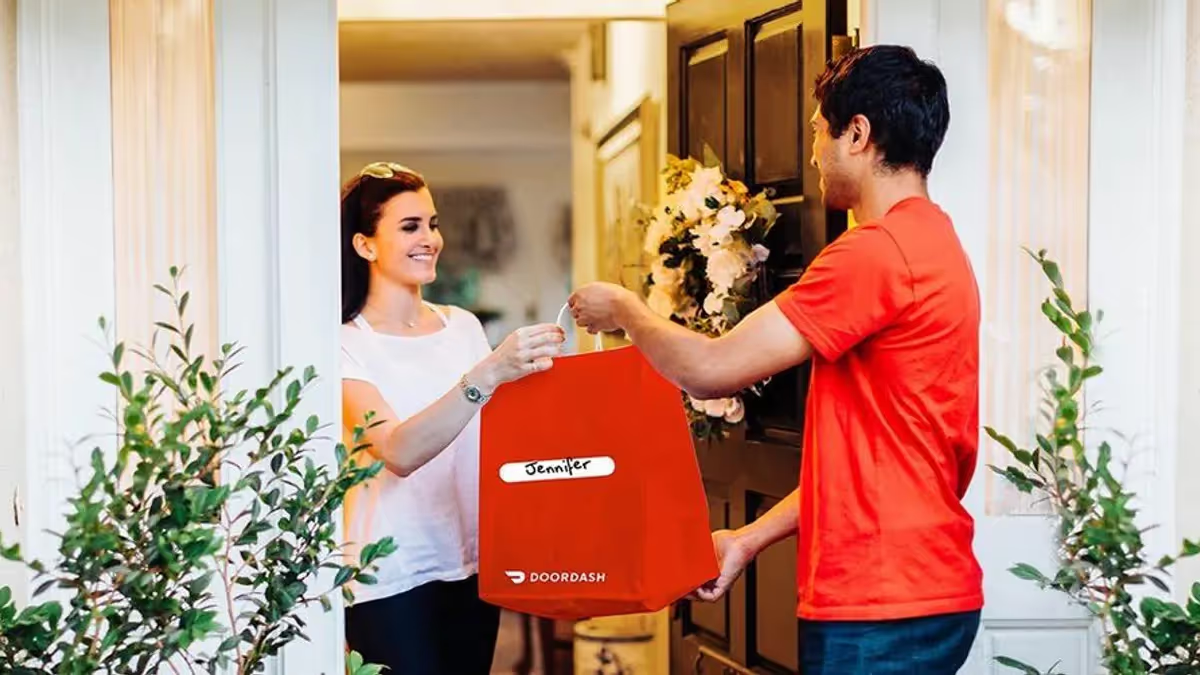
DoorDash is still the workhorse for many US and Canadian drivers. DoorDash offers great pay and mixes base pay, promotions, and 100% customer tips. Average earnings land around 12–23 dollars per hour in many markets, with reports of 20–28 dollars in stronger zones during peak times. If you control your schedule and chase busy dinners, DoorDash can cover rent and then some.
DoorDash now offers both “Earn per Offer” and “Earn by Time.” Earn per Offer suits drivers who cherry‑pick high‑paying trips, while Earn by Time gives a guaranteed active hourly rate so slow stretches hurt less. Peak Pay bonuses and Challenges add extra money when you hit certain delivery counts or work high‑demand hours. As long as you keep ratings solid, you can turn the app on whenever you feel like stacking cash.
Key features:
- Two earning modes for different risk levels: You can choose per‑order payouts when you want to chase big stacks, or hourly active pay when you want less volatility. Switching modes lets you adjust for days when traffic or weather looks annoying.
- Peak Pay and Challenges for extra cash: During rush times and big events, DoorDash throws extra dollars on each trip or on completion targets. A strong night with Peak Pay and Challenges can raise hourly income far above the bare 12‑dollar average some reports show.
- Nationwide reach and high order volumes: DoorDash commands the largest share of the US food delivery market, which usually means more pings once you learn your zones. More orders per hour equals more chances to stack earnings and hit promos.
- Fast payouts and instant cash‑out: Weekly direct deposits keep your balance moving, while instant transfers let you withdraw up to a set amount for a small fee. That is handy when gas prices jump or a surprise bill lands on your lap.
- Support for multiple vehicle types: In many cities, you can work by car, scooter, or bike. Short bike routes near dense restaurant clusters cut fuel issues and sometimes pay better per minute than longer car runs.
2. Grubhub
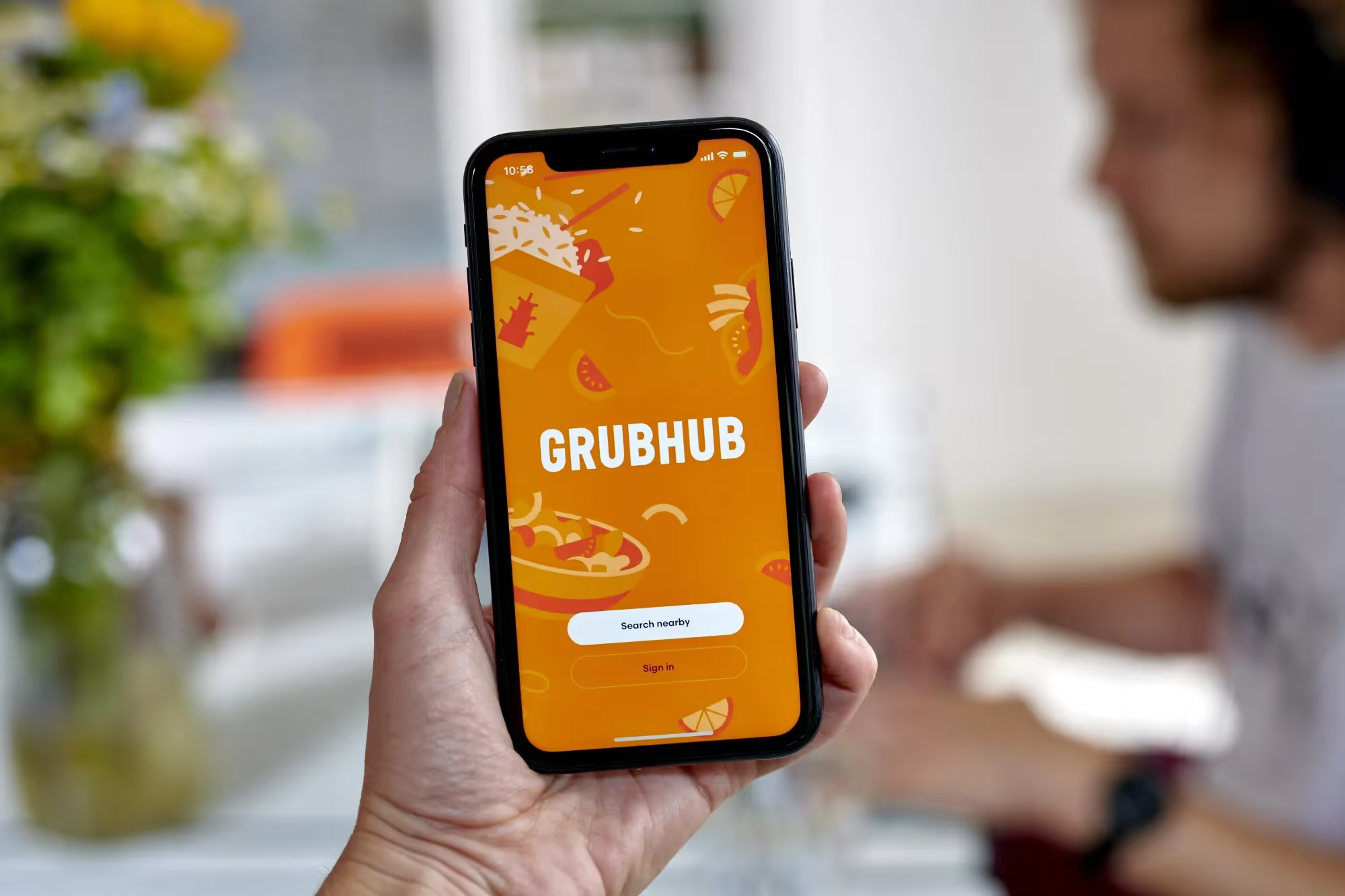
Grubhub is quieter than DoorDash in some markets but still pays good money where demand is strong. Average earnings hover around 14 dollars per hour nationwide, with 20–25 dollars in busy cities when you catch peak times and good tips. Drivers keep one hundred percent of customer tips, and many treat Grubhub as a reliable backup or second main app.
Grubhub uses an offer system where each order shows a total pay amount that mixes base, promotions, and estimated tips. There is also a “Grubhub contribution,” which acts like a minimum guarantee if your day is weak and you meet schedule and acceptance rules. With scheduled blocks and decent catering‑style orders in some areas, Grubhub can raise your weekly totals nicely.
Key features:
- Transparent pay breakdown with a visible total: Grubhub shows combined delivery pay before you accept, which includes mileage, time, and any promotions. Seeing the full payout upfront makes it easier to reject lowball trips and stick to your target rate.
- Minimum earnings support via Grubhub contribution: If you schedule blocks and meet commitment requirements, Grubhub can top up your earnings to a guaranteed level specific to your market. That safety net matters when orders slow down or weather keeps customers indoors.
- Block scheduling for order consistency: Drivers can book shifts in advance, which helps control the number of drivers online and keeps order flow steadier. If you like planning your week instead of randomly logging in, this structure feels more relaxed.
- Instant Cash Out options: You can send earnings to your bank up to 500 dollars a day with a small fee, free for some banks. That keeps your balance usable instead of trapped in the app.
- Missions, sweepstakes, and promos: Grubhub frequently runs short‑term missions and contests that throw extra money on top of base pay. If you are already driving those hours, these promos are easy add‑ons.
3. Swiggy
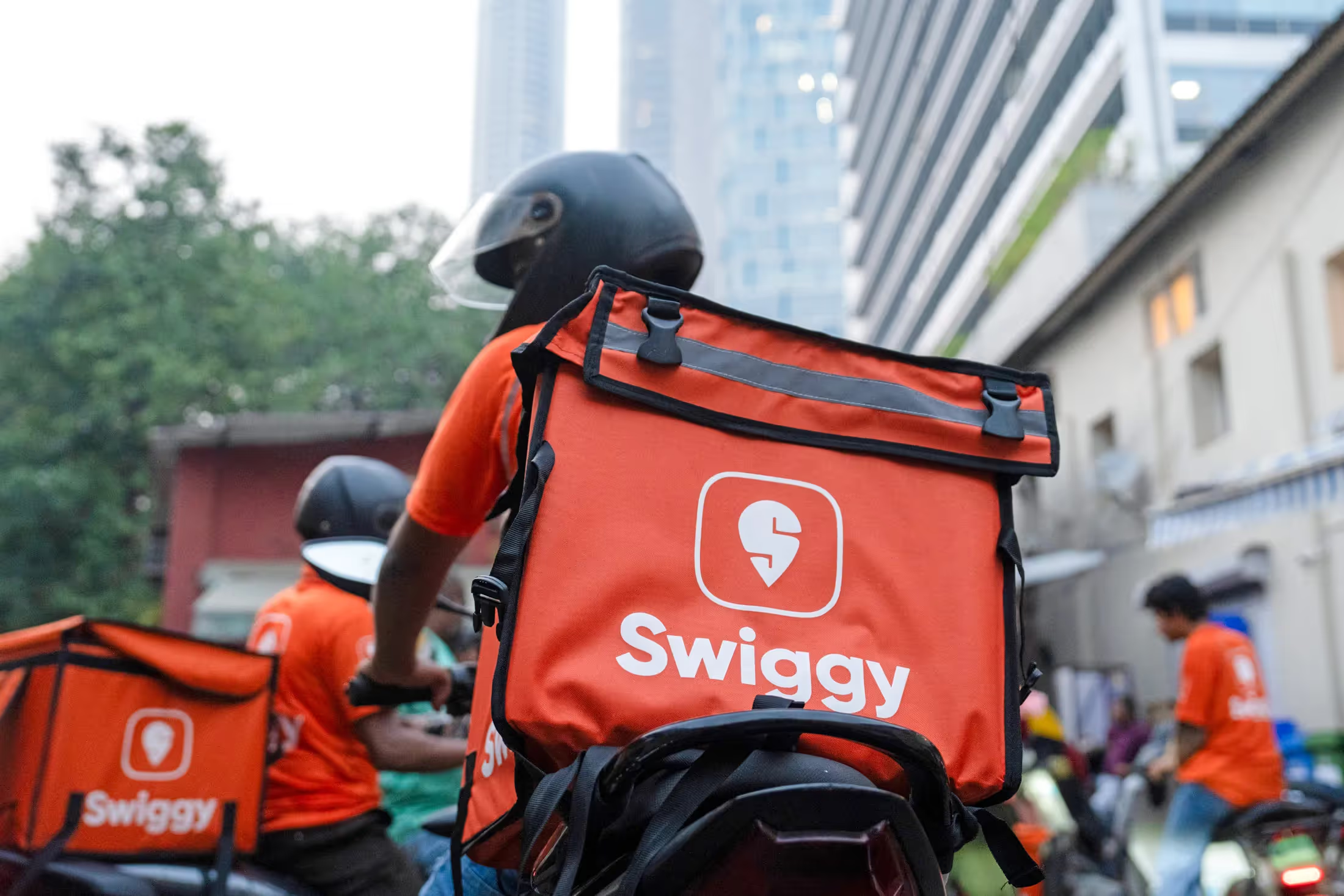
If you are in India, Swiggy is one of the main food and grocery apps drivers rush to join. Per‑order earnings commonly range from ₹15 to ₹90 depending on city, distance, and time of day. Full‑time riders in big metros can land roughly ₹15,000–₹50,000 per month when incentives and bonuses line up, with rate cards heavily tied to daily and weekly targets.
Swiggy mixes base per‑order payouts with add‑ons like distance slabs, rain bonuses, late‑night pay, and weekly incentives. Many riders rent e‑bikes through partner programs, cutting fuel costs and saving their own vehicle from daily punishment. Instamart and other verticals add warehouse‑style grocery shifts, which feel different from regular restaurant pickups.
Key features:
- Detailed rate cards with strong incentive ladders: Swiggy often publishes slabs where completing certain order counts unlocks extra rupees per day or per week. If you stay consistent, those incentives can equal or exceed the base pay alone.
- Per‑order payouts tied to distance and vehicle: Short drops pay less but let you squeeze in more trips per hour. Long‑distance orders pay higher amounts per trip but cost more fuel and time. You should track what kind of mix your zone usually throws at you.
- Minimum daily guarantees in many cities: Certain shifts come with an assured minimum as long as you stay online and meet trip conditions. That softens the pain of slow afternoons when orders vanish.
- Multiple delivery verticals (food plus grocery): Besides restaurant food, Swiggy Instamart and similar offerings keep income rolling with grocery and convenience orders. These often run from warehouses, meaning less restaurant waiting.
- Support for EV rentals: Many Indian riders use rented electric scooters on fixed daily charges, which can beat fuel costs if you drive long hours. Swiggy’s city layouts usually reward nimble vehicles over heavy cars.
4. Zomato
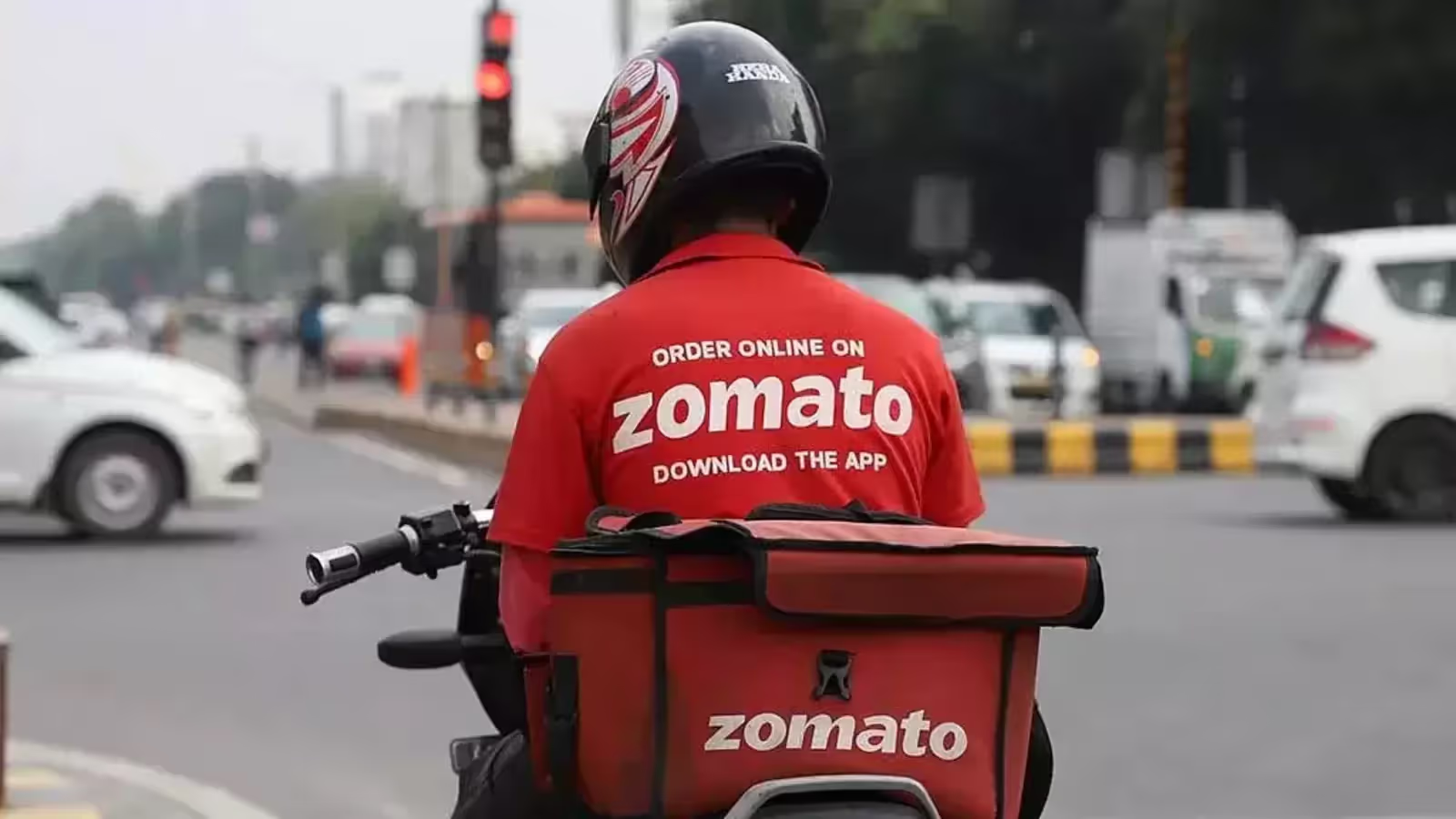
Zomato is the other big delivery badge you see on Indian streets. Typical per‑order payouts sit around ₹20–₹35, varying by city and distance, with monthly take‑home often around ₹18,000–₹25,000 for riders who stay active and hit bonuses. In metro areas with full‑day shifts, some riders report higher ranges, but that usually means long hours and strong incentive chasing.
The Zomato rate card leans on per‑order payments plus city‑specific incentives for completing set numbers of deliveries in a day. Distance and time influence each payout, so long runs pay more and short hops pay less. Referral bonuses can also add a surprising chunk if you bring friends onto the platform and they stay active.
Key features:
- Clear monthly earning potential with realistic bands: Zomato riders land in the ₹18,000–₹25,000 band, with higher ranges in fast metros for full‑timers. Those numbers give you a grounded target instead of fantasy claims.
- Per‑order base tied to kilometers: Zomato often pays more when you cross certain distance thresholds on a trip. That can work nicely if you prefer fewer, longer runs instead of endless micro‑drops.
- Daily order count incentives: Hitting milestones like 20–25 orders in a day can unlock extra payments that move your total from “okay” to “solid.” Riders who know rush‑hour patterns tend to nail these slabs more often.
- Referral earnings for bringing new partners: The platform has run programs where referring friends who complete successful onboarding and orders can land you chunky bonuses. If you already hang around delivery‑heavy friend circles, that adds easy side money.
- Partnerships with fleet operators: Many riders join Zomato via third‑party companies that supply bikes, uniforms, and sometimes a fixed component. That can reduce upfront costs but gives the partner more control over schedules, so read contracts carefully.
5. Swiggy Instamart

Swiggy Instamart deserves its own shoutout if you prefer grocery runs over restaurant chaos. Instead of bouncing between kitchens all night, you pick up orders at micro‑warehouses and deliver baskets of daily essentials. Earnings vary by city, but many pickers and delivery partners report monthly totals around ₹16,000 and above with stable shifts and incentives.
Instamart combines fixed shifts, order‑based pay, and weekly bonuses for crossing targets. Some roles are more like warehouse jobs (pickers/loaders), while others are delivery‑heavy with bike requirements. If you enjoy slightly more predictable patterns and don’t mind carrying grocery crates, Instamart can feel calmer than pure restaurant work.
Key features:
- Warehouse pickups instead of restaurant queues: Orders start at fulfillment centers, so you avoid crowded kitchens and mis‑packed meals. That cuts wait time and arguments with staff about missing dishes.
- Shift‑based earnings with strong weekly incentives: Many Instamart jobs pay around fixed shifts plus bonuses for hitting order counts or revenue thresholds. Drivers who complete long evening blocks often see nice bumps from these add‑ons.
- Grocery‑heavy baskets and fewer late‑night dramas: Customers usually order staples, snacks, and household items instead of complex meals. Fewer hot‑food complaints means less stress when traffic slows you down.
- EV‑friendly short routes: Since warehouses serve local neighborhoods, electric scooters and cycles work well. Lower energy costs directly raise your net pay from each shift.
- Better suited for people who like routine: Shifts and tasks tend to repeat daily, which some workers prefer over the chaos of pure ondemand restaurant orders. If you like knowing roughly how your day will look, this setup feels comfortable.
6. Uber – Request a Ride & Uber Eats
Uber’s ride‑sharing and delivery ecosystem can be a serious moneymaker if your city has solid demand. Uber Eats drivers in the US often report hourly earnings around 13–16 dollars on average, with some guides quoting 17–27 dollars including tips and bonuses in strong markets. Ride‑share segments can push that higher but come with passenger‑handling overhead.
Drivers like Uber because you can toggle between rides and deliveries within the same app in many cities. Uber Eats combines base pay, promotions, and tips, with tips sometimes forming 40–50 percent of total driver earnings. Surge and busy‑hour multipliers can turn a normal evening into a high‑earning run if you know event calendars and traffic flows.
Key features:
- Dual mode: rides and food delivery: You can switch between carrying people and carrying food depending on what pays better at that moment. That flexibility lets you chase rush‑hour ride demand or late‑night food spikes.
- Surge pricing and busy‑area bonuses: Uber’s dynamic pricing can send payouts soaring during events, extreme weather, or peak dining times. If you are willing to handle crowds and tougher traffic, those windows can produce some of your best hourly numbers.
- Granular earnings data inside the app: Uber shows trip logs, promotion breakdowns, and weekly summaries so you can spot patterns in your income. That transparency helps you decide when and where to work.
- Strong presence in many countries: Whether you are in the US, Europe, or parts of the Middle East and Asia, Uber or Uber Eats often operates alongside local players. That means you can carry your experience to new cities if you move.
- Instant payouts and multiple withdrawal options: Daily or near‑real‑time cash‑out gives you faster access to money without waiting for weekly cycles. Handy when fuel, tolls, and small repairs show up unexpectedly.
7. Postmates – Food Delivery
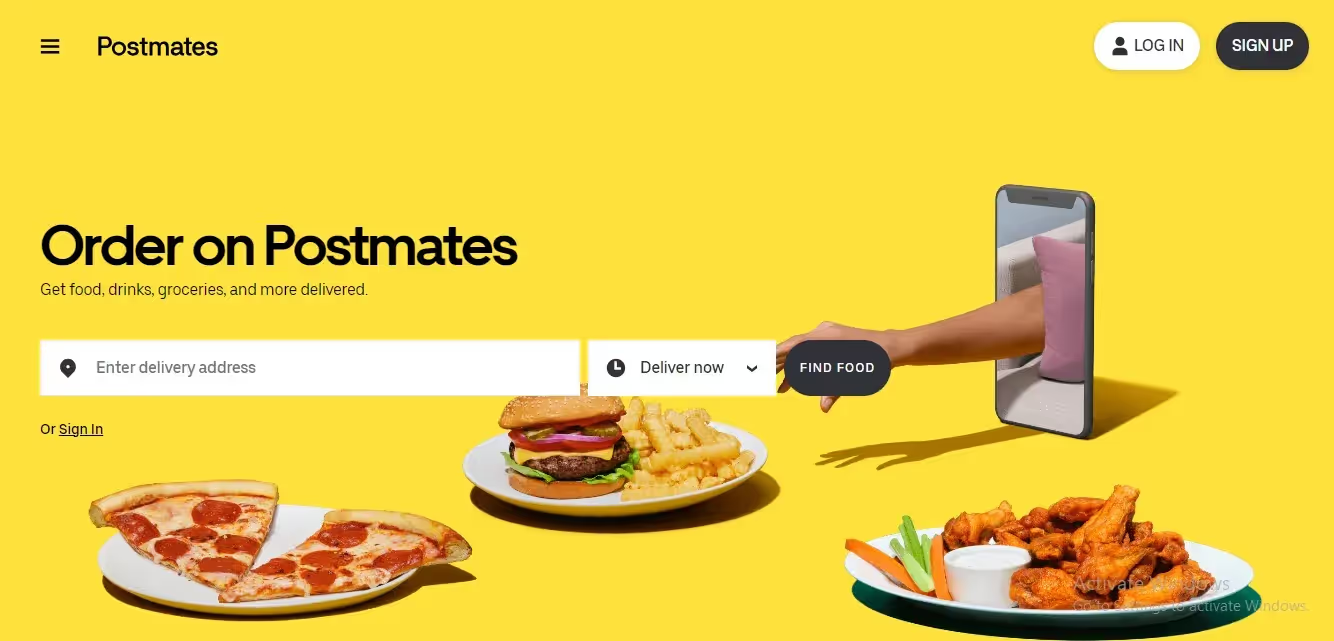
Postmates is now part of Uber, but in several US markets the Postmates brand and app still run atop Uber’s combined merchant and driver network. That means you can receive Postmates‑style orders while technically operating within the Uber ecosystem. Historical ranges for Postmates drivers sat near 18–22 dollars per hour in busy spots when mixing food, grocery, and retail drops.
The main draw with Postmates has always been variety. Instead of only restaurant meals, you might pick up from corner stores, pharmacies, or retail shops. Volume tends to be strongest in big metros where Uber Eats and Postmates share infrastructure but keep separate customer‑facing brands. Drivers who like multitasking often include Postmates in their multi‑app rotation.
Key features:
- Access to a wide mix of merchants: Postmates trips can involve restaurants, convenience stores, and even oddball retail orders. That spreads your risk if one category slows down during certain weeks.
- Shared network with Uber Eats: After the acquisition, Uber combined many back‑end systems, which can mean more efficient batching and better route planning in supported markets. As a driver, you feel that as more orders per hour.
- Continued subscription and promo ecosystem: Programs like Postmates Unlimited keep heavy users ordering, which supports more demand for drivers overall. Regular promos encourage customers to place extra orders on slow nights.
- Can use with multiple apps: Because Postmates rides alongside Uber Eats, DoorDash, and Grubhub in many locations, advanced drivers can juggle several apps and cherry‑pick strong offers. That takes practice but can raise average hourly income.
- Legacy presence in major US cities: Postmates has deep roots in markets like Los Angeles and other big metros, where customer loyalty still lingers. That keeps order volume alive even as newer apps fight for attention.
8. Gopuff – Food & Drink Delivery
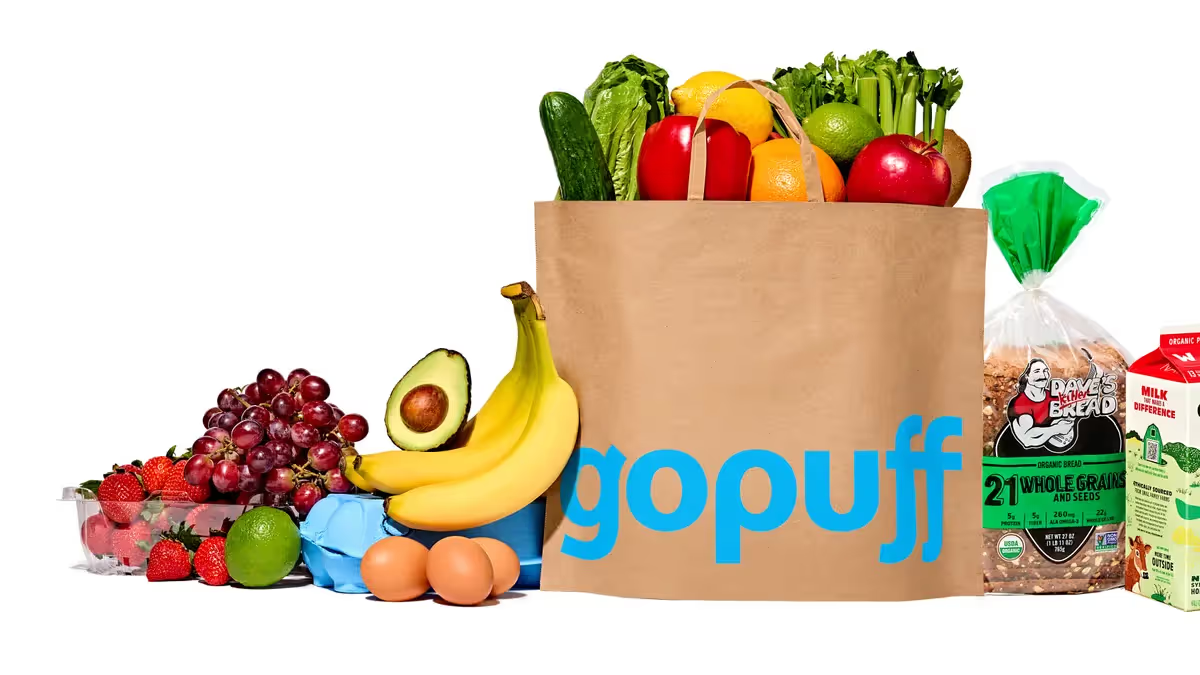
Gopuff plays a different game from traditional restaurant apps. It runs local micro‑fulfillment centers stocked with snacks, drinks, household goods, and quick‑need items. Drivers collect grouped orders from a warehouse instead of jumping between restaurants. Earnings reports show many drivers making around 9–15 dollars per hour, with some seeing 15–20 dollars when base guarantees and tips line up.
Pay usually mixes per‑delivery amounts and a base hourly guarantee, such as examples of 3.50 dollars per delivery plus a 10.50‑dollar minimum per hour, depending on city. Drivers keep all tips and can earn weekly bonuses for reaching delivery counts. Because all pickups start at the same location, routes often feel simpler than restaurant hopping.
Key features:
- Warehouse‑style pickups from one hub: You grab several orders from the same facility instead of chasing restaurants scattered across the city. That cuts confusion and speeds up turnaround when routes are planned well.
- Hourly guarantees paired with per‑order pay: Gopuff uses minimum earnings caps so you still get paid if your hour is slow. In busy stretches, per‑delivery pay plus tips exceed the guarantee, which feels like a small safety net.
- Mostly short‑distance drops: Delivery zones around each warehouse are designed for quick trips, which reduces fuel burn and time per order. Drivers who prefer dense, close‑range work often enjoy that pattern.
- Weekly bonuses and milestone perks: Some markets offer extra cash when you hit thresholds like 30 or 40 deliveries in a week. That rewards consistent drivers who treat the app like a regular job.
- Lower interaction with restaurants and dine‑in customers: Since inventory lives in warehouses, you avoid kitchen delays and restaurant staff issues. If you’re more introverted, this quieter setup can feel less draining.
9. Too Good To Go

Too Good To Go is not a classic driver gig, but it does open income doors for food businesses and their staff. The app connects local restaurants, bakeries, and grocery stores with customers who want “Surprise Bags” of unsold surplus food at the end of the day, usually at about one‑third of normal price. Partner stores earn extra revenue on items they’d otherwise throw away while cutting food waste dramatically.
As an individual, you typically join Too Good To Go by linking it to a business, not as an independent courier. If you run a bakery, cafe, or small restaurant—or get hired by one—you can manage Surprise Bag listings, pack orders, and handle pick‑ups. For side‑hustle‑minded owners, it’s an easy way to turn leftovers into a few thousand extra dollars or their local currency each year.
Key features:
- Extra income stream for existing food outlets: Businesses list surplus portions as Surprise Bags at discounted prices instead of tossing them into the trash. That converts sunk inventory into fresh revenue without major extra labor.
- Simple workflow for staff: Teams just mark surplus in the app, set collection times, and pack whatever is left at closing. No huge menu management or complex tech knowledge required.
- Strong food‑waste reduction impact: Every bag sold means real food eaten instead of dumped, which matters for both conscience and public image. Many partners join partly for environmental reasons and partly for the marketing story.
- Low setup cost for small operators: Signing up usually carries no upfront hardware cost, with fees taken as a portion of Surprise Bag sales plus modest annual charges. That keeps risk small for small bakeries and cafes.
- Marketing lift among eco‑minded customers: Being visible inside Too Good To Go exposes your shop to new people hunting deals and caring about waste. Some of them later return as regular full‑price customers.
10. Goldbelly

Goldbelly is more of a national shipping marketplace than a weekend courier app, but it can bring serious revenue to restaurants and bakeries with iconic dishes. Partners list signature items—think famous pizzas, BBQ, or desserts—and ship them across the country in insulated packaging. The platform charges commissions and shipping fees, while restaurants enjoy access to customers far beyond their own city.
For a working‑class hustler, Goldbelly only makes sense if you already run or work in a kitchen that could ship food. But the upside is huge: some restaurants report that Goldbelly orders became a lifeline, with up to seven out of ten online orders flowing through the platform during rough times. That kind of demand can support more kitchen shifts and stable hours.
Key features:
- Curated marketplace of well‑known eateries: Goldbelly selects restaurants and bakeries with strong reputations or unique regional dishes. That curation attracts customers willing to pay premium prices for nostalgic food.
- Nationwide shipping infrastructure: The platform handles logistics coordination, insulated packaging systems, and courier partnerships. That saves restaurants from wrestling with complex shipping setups alone.
- Commission‑based revenue model for partners: Restaurants earn on each order minus Goldbelly’s commission, while customers usually cover shipping. High order values—often 50 to 100 dollars—can still leave healthy profit per shipment.
- Subscription boxes and corporate orders: Monthly food clubs and big corporate packages create repeat and bulk business. Those large tickets can justify dedicated prep staff and expanded production.
- Brand storytelling and national exposure: Goldbelly highlights the story behind each restaurant, drawing food lovers who care about origin and tradition. That media‑style positioning can raise your profile far beyond your local street.
11. Talabat
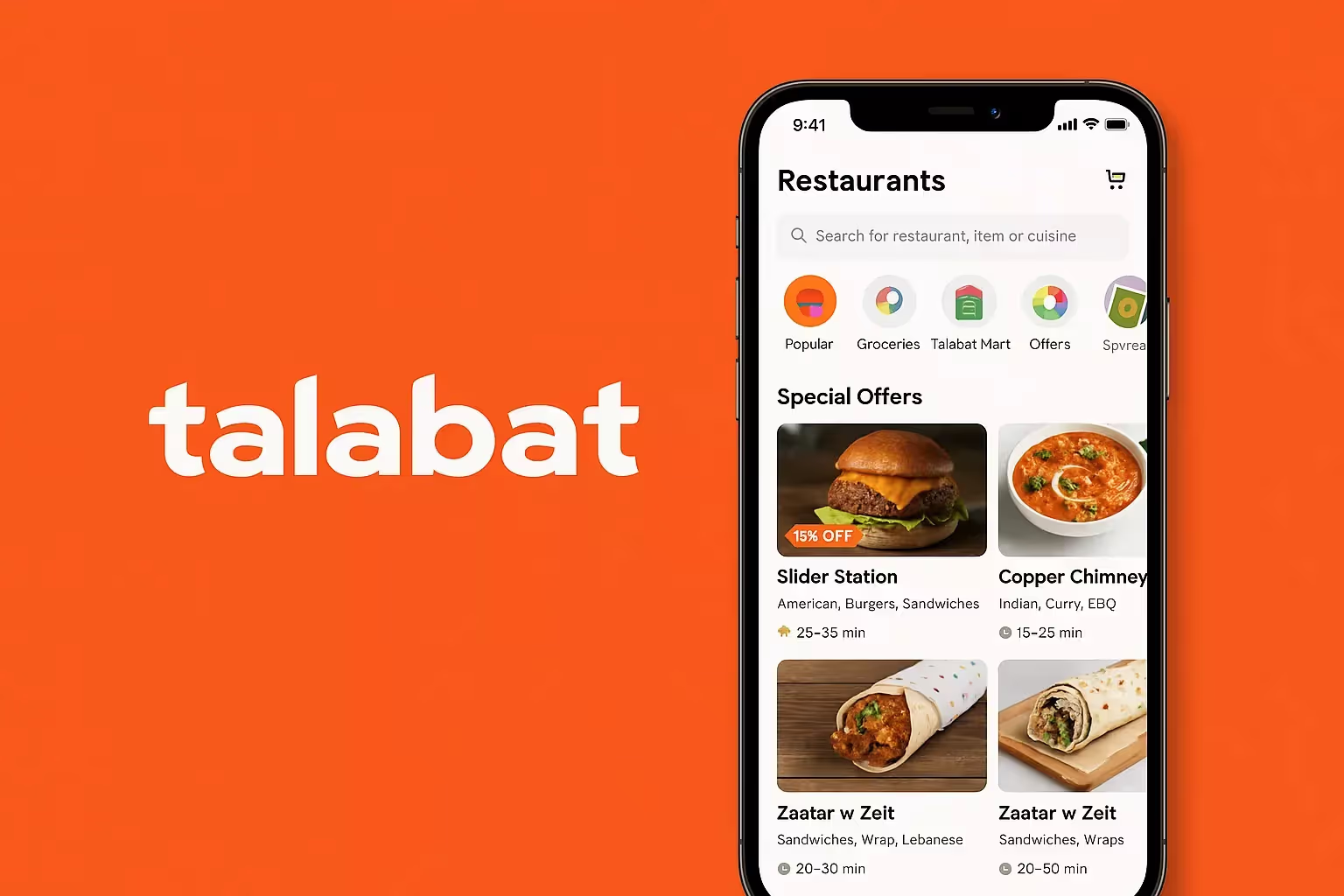
Talabat dominates large parts of the Middle East for food, grocery, and quick‑commerce delivery. Riders in places like the UAE and Oman often earn per‑order amounts (for example, around 7.5 AED in some hiring ads) plus bonuses and tips. Community posts suggest riders can complete 12–14 orders in an 8–10‑hour shift, with monthly totals in the ballpark of 4,000–5,500 AED or more depending on market and hours.
Most riders join Talabat through partner companies that supply bikes, visas, and SIM cards. That structure means less initial cost for you but more fixed schedules and company rules. Talabat’s business itself is highly profitable, pulling in hundreds of millions in quarterly revenue, so the order pipeline stays strong in major Gulf cities.
Key features:
- Per‑order pay plus tips and performance incentives: Riders earn a fixed amount per delivery, with tip income and bonuses for hitting monthly order counts. Strong performers in busy zones see much better totals than casual riders.
- Visa and bike support via partner fleets: Many agencies offer employment visas, uniforms, and company bikes tied to Talabat contracts. That lowers your entry cost if you are moving into the Gulf for work.
- Huge presence in GCC markets: Talabat leads across UAE, Kuwait, Qatar, Bahrain, and Oman, with expansion into Egypt, Jordan, and Iraq. High app recognition keeps customer orders flying in.
- Multi‑vertical orders: food, groceries, retail: Besides restaurants, Talabat runs quick‑commerce operations for groceries and other items. That gives riders more types of trips and more hours of daily demand.
- Performance‑linked bonuses and surge pricing: Talabat uses commissions, delivery fees, and surge‑style pricing to drive orders, and shares part of that upside with riders through incentives. If you are okay with heat and heavy traffic, peak times can pay nicely.
12. ChowNow
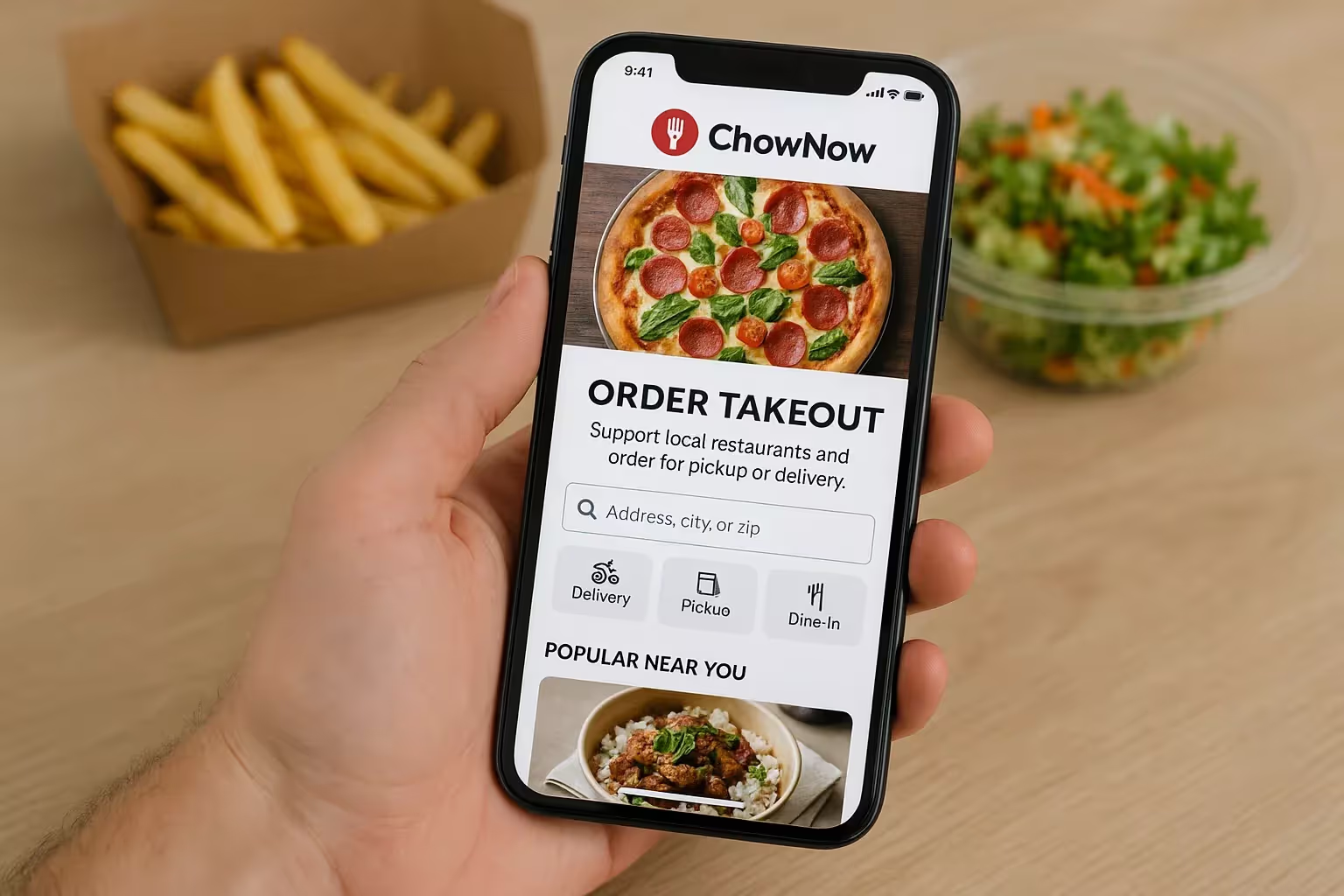
ChowNow works differently from consumer‑facing marketplaces. It sells commission‑free online ordering tools to restaurants and then connects them with delivery fleets via “Flex Delivery.” So you will not “work for ChowNow” directly as a driver; instead, you might get orders through third‑party fleets (like Uber Direct or DoorDash Drive) that ChowNow taps for last‑mile delivery.
For someone chasing income, ChowNow matters because it feeds volume into those fleet networks. When a diner orders via a restaurant’s own website powered by ChowNow, a contracted courier from a partner service gets dispatched automatically. That means if you are driving for those fleets, you may see extra orders without juggling extra apps.
Key features:
- Commission‑free ordering for restaurants: Restaurants pay subscriptions instead of big per‑order commissions, keeping more of each sale. Healthier margins help them keep delivery prices attractive, which drives order count.
- Flex Delivery that taps existing courier networks: ChowNow integrates with fleets like Uber Direct and others rather than running its own rider army. Drivers on those partner platforms gain more trips from each restaurant that signs up.
- Unified ticket flow into restaurant POS systems: Orders slide directly into kitchen printers and point‑of‑sale systems, cutting manual entry. Fewer errors mean fewer re‑makes and smoother handoffs when you arrive for pickup.
- Real‑time status updates to diners: Customers get order and delivery tracking through the restaurant’s branded channels. Clear expectations lower “where is my food?” calls that often bounce back onto drivers.
- Large and growing partner base: With tens of thousands of restaurants using ChowNow tools, the volume of delivery‑eligible orders is significant. That background demand indirectly supports gig drivers across multiple apps.
13. Chipotle
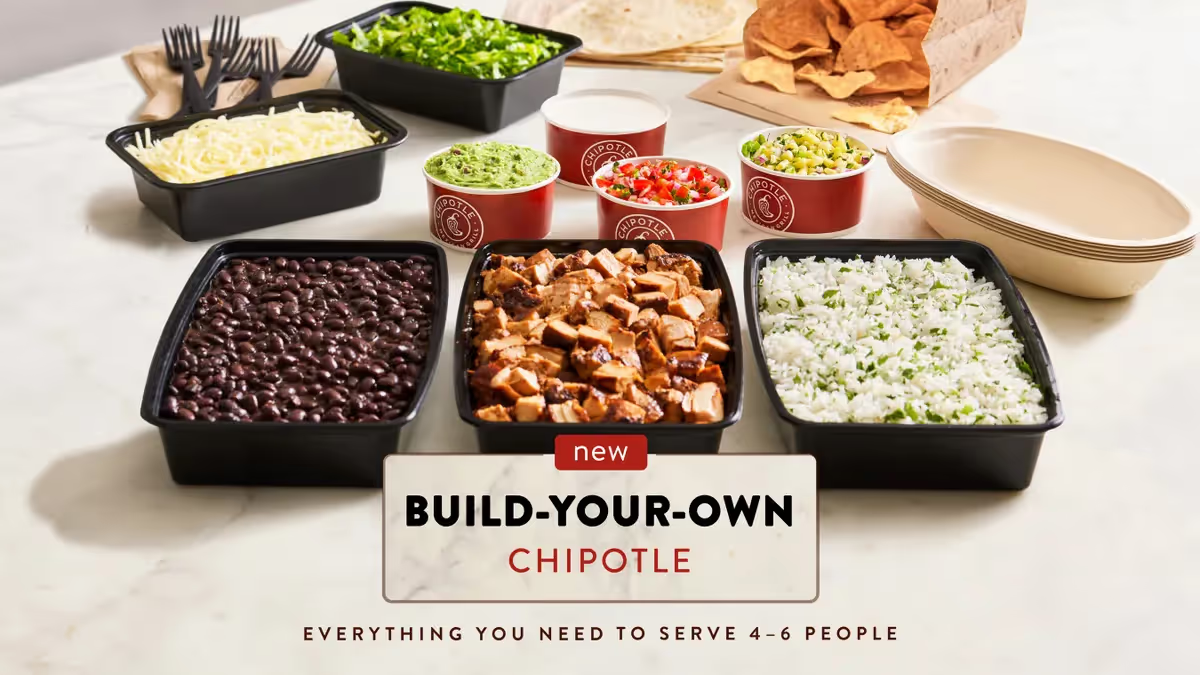
Chipotle is not a gig app, but it is a heavy hitter in the delivery scene and hires a lot of crew members at hourly rates around 14–21 dollars depending on market. Many Chipotle locations handle a huge volume of third‑party delivery orders, which means reliable hours for in‑store staff prepping online tickets.
If you prefer a W‑2 job with benefits, Chipotle can be attractive. The company advertises strong growth paths from crew to kitchen leader to general manager with salaries jumping far above typical hourly delivery gigs. Separate from that, some regions list “Chipotle delivery” roles through job boards, quoting ranges like 13–34 dollars per hour depending on distance, tipping, and structure.
Key features:
- Stable hourly pay with benefits: Crew, kitchen, and service roles come with defined hourly rates plus potential bonuses and benefits. That removes the income swings common with pure gig apps.
- High volume of app‑based orders: Chipotle leans heavily on digital and delivery channels, so stores see steady ticket flow from DoorDash, Uber Eats, and others. More online orders often translate into more guaranteed hours for staff.
- Clear promotion ladder inside the company: Job listings show paths from crew to general manager with each step offering higher base pay and added perks. If you want long‑term restaurant growth, this path beats endless gig juggling.
- Side‑door delivery job postings: Some postings explicitly seek Chipotle delivery drivers, quoting strong hourly ranges. That lets you mix predictable schedules with delivery‑style work.
Conclusion
If you want to turn nights, weekends, or free weekdays into real income, delivery apps are one of the fastest doors to walk through. You can chase pure gig freedom with food, grocery, and warehouse‑style apps, or lock in stable pay with restaurant jobs that ride the delivery wave.
The sweet spot is usually a mix: one or two main apps plus a backup or a part‑time job, all tuned to your fuel costs and energy. Start small, track every rupee or dollar, and scale only when the numbers prove your grind is worth it.
Best Delivery Apps to Make Money FAQs
What are the best delivery apps to work for if you want higher hourly pay?
If you chase higher hourly pay, you should look at apps known for strong averages in your own city. In the US, platforms like DoorDash, Uber Eats, Grubhub, and Gopuff often show ranges from around 14 to well above 20 dollars per hour when you combine base pay, promotions, and tips. In India, riders often lean toward Swiggy or Zomato for ₹20,000–₹30,000‑plus monthly when they hit incentive slabs.
Which are the best delivery apps for food delivery specifically?
For pure restaurant food, leading names include DoorDash, Uber Eats, Grubhub, Swiggy, Zomato, Talabat, and Postmates in supported countries. These apps have strong restaurant networks, busy dinner peaks, and well‑documented pay formulas. If you enjoy constant pickups, hot‑bag juggling, and steady tipping, sticking mainly to food apps can give you dense order volume and good nightly totals.
What are the best delivery apps for groceries, drinks, and medicines?
Grocery and convenience drivers often gravitate toward Gopuff, Instamart inside Swiggy, and multi‑vertical platforms in regions such as Talabat. These apps send you to warehouses or supermarkets instead of restaurants, which means more bags but sometimes fewer customer complaints about temperature. Medicine and convenience orders also run longer hours, so early mornings and late nights still bring income if restaurant apps slow down.
How can you pick the best delivery apps for making money overall?
You should compare each app on three hard numbers: average pay per hour in your city, typical distance per order, and consistency of demand across the week. Then check incentives, surge bonuses, and vehicle requirements. Many drivers start with one major app, track earnings for two or three weeks, and then add a second or third platform only if the first one shows real money but too much downtime between orders.


Launch your dropshipping business now!
Start free trial


Related blogs

How to Make Money from Instagram Theme Pages Without Showing Your Face
Learn how to grow Instagram theme pages and make money without showing your face. Proven monetization strategies, niches, and growth tips.

.avif)
Complete Guide to Making Money Using Gig Economy Apps
Discover the best gig work apps to make money fast. Compare top gig economy apps, daily pay options, and side hustle platforms that actually work.

How to Build a Faceless YouTube Channel Using AI Tools and Monetize It
Learn faceless YouTube automation using AI tools. Step-by-step guide to create, grow, and monetize a faceless YouTube channel without showing your face.