Como a Driftwood & Dune Transformou a Demanda Sazonal de Praia em um Negócio Escalável
Veja como a Driftwood & Dune usou a Spocket para evitar rupturas de estoque no verão, encontrar fornecedores de produtos de estilo de vida de praia baseados nos EUA e aumentar a receita sazonal.

A Driftwood & Dune nasceu de uma ideia simples: produtos de praia devem ser úteis, elegantes e fáceis de comprar exatamente quando os clientes precisam deles.
Com sede em Naples, Flórida, a loja foi fundada por Tyler Naves, que viu uma oportunidade no mercado de estilo de vida costeiro. Os clientes estavam comprando para viagens à praia, casas de veraneio, dias de piscina, eventos de verão e presentes para climas quentes, mas a maioria das lojas parecia muito genérica ou não conseguia entregar com rapidez suficiente.
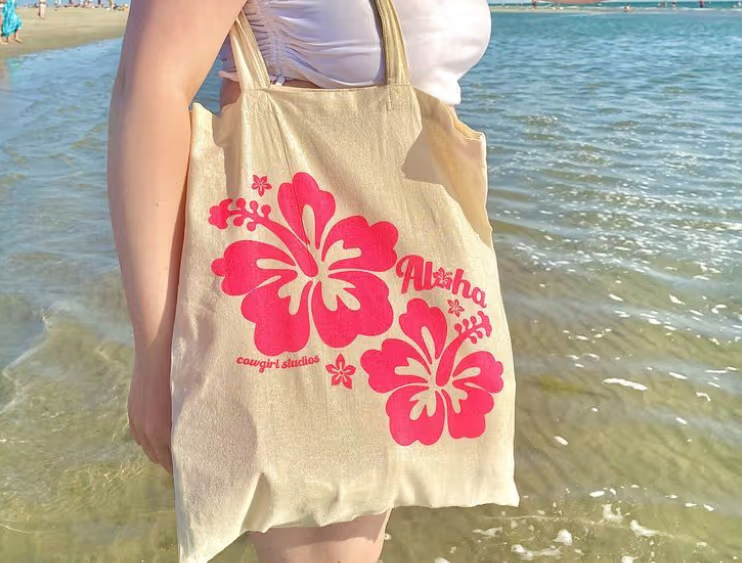
A Driftwood & Dune focava em produtos de estilo de vida costeiro e de praia, incluindo toalhas de praia, sacolas de palha, copos térmicos, chapéus de sol, acessórios leves, decoração costeira e itens de verão para presente. A marca tinha uma identidade visual forte desde o início. Transmitia uma sensação de relaxamento, aconchego e praticidade. Os produtos faziam sentido para clientes que planejavam um fim de semana à beira-mar ou compravam algo antes de uma viagem.
Mas, nos bastidores, o negócio tinha um problema sério.
A demanda de verão era imprevisível. Os produtos podiam vender lentamente por semanas, e então ter um pico repentino após um feriado prolongado, um e-mail sazonal ou uma publicação em redes sociais. Tyler tinha o público e o interesse nos produtos, mas seus fornecedores nem sempre conseguiam acompanhar.
O resultado era frustrante: os best-sellers frequentemente esgotavam exatamente quando os clientes estavam mais prontos para comprar.
O Desafio
O maior desafio da Driftwood & Dune era a sazonalidade.
Durante os meses mais calmos, o negócio era fácil de gerenciar. Tyler podia testar produtos, atualizar anúncios e preparar conteúdo. Mas assim que o verão começava, o volume de pedidos mudava rapidamente.
Uma sacola de praia que vendia poucas unidades em março podia se tornar um best-seller em junho. Copos e garrafas vendiam mais rápido em feriados prolongados. Toalhas, bolsas e kits de presente costeiros tinham picos acentuados sempre que os clientes começavam a planejar viagens.
O problema não era a demanda. Era a disponibilidade.
Antes de usar Spocket, Tyler trabalhava com fornecedores que tinham visibilidade limitada do estoque e prazos de reabastecimento inconsistentes. Às vezes, os produtos pareciam disponíveis, mas atrasos surgiam depois que os clientes já haviam feito os pedidos. Outras vezes, os itens esgotavam logo depois que Tyler os promovia.
Em um verão anterior, a Driftwood & Dune teve 10 incidentes de falta de estoque em seus produtos mais importantes. Isso incluía toalhas, sacolas, copos e garrafas, e itens de kit que deveriam impulsionar a temporada.
Cada falta de estoque prejudicava o negócio. Clientes abandonavam carrinhos. Campanhas direcionavam tráfego para produtos indisponíveis. Tyler tinha que responder a perguntas sobre atrasos e reabastecimentos. O pior de tudo, clientes que precisavam de itens para viagens futuras frequentemente compravam em outro lugar.
Para uma loja sazonal, o tempo é tudo. Se os clientes precisam de algo para o próximo fim de semana, eles não esperarão semanas para que o item volte ao estoque.
O Objetivo
Tyler queria que a Driftwood & Dune se tornasse mais confiável durante a alta temporada.
O objetivo não era apenas aumentar as vendas. Era construir um sistema capaz de lidar com a demanda súbita do verão sem comprometer a experiência do cliente.
Ele precisava:
- Obter produtos de praia e costeiros confiáveis de fornecedores sediados nos EUA
- Reduzir a falta de estoque em itens mais vendidos
- Melhorar a confiança na entrega para clientes dos EUA
- Planejar campanhas em torno de produtos que pudessem suportar a demanda
- Criar pacotes que aumentassem o valor médio do pedido
- Construir um fluxo de trabalho que pudesse reutilizar para futuras lojas de nicho
A Driftwood & Dune já havia provado que os clientes queriam os produtos. Agora, Tyler precisava que o lado operacional do negócio correspondesse ao potencial da marca.
Como a Spocket Ajudou
Tyler começou a usar Spocket para encontrar fornecedores sediados nos EUA que oferecessem produtos de estilo de vida costeiro com envio mais rápido e estoque mais confiável.
Através da Spocket, a Driftwood & Dune adicionou produtos como toalhas de praia, bolsas de verão, copos térmicos, acessórios leves e itens de decoração costeira de fornecedores mais adequados aos compradores dos EUA.
Isso ajudou Tyler a reduzir um dos maiores riscos em seu negócio: a incerteza.
Com um envio doméstico mais rápido, ele pôde promover produtos com mais confiança durante períodos de compras sensíveis ao tempo, como o Memorial Day, o Quatro de Julho, as férias de verão e o fim de semana do Dia do Trabalho.
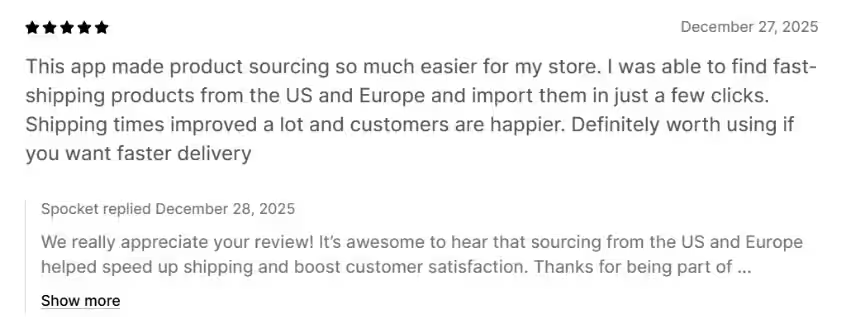
Os recursos de estoque também fizeram uma grande diferença. Os alertas de estoque da Spocket ajudaram Tyler a monitorar a disponibilidade dos produtos antes que os itens acabassem. Em vez de descobrir um problema de estoque depois que um cliente reclamava, ele tinha uma visibilidade melhor do que estava vendendo rapidamente.
Regras de reabastecimento automatizadas o ajudaram a criar um processo mais estruturado para os best-sellers. Se um produto começasse a vender mais rápido do que o esperado, Tyler poderia agir mais cedo, pausar promoções se necessário, ou preparar um produto de backup antes que o problema afetasse os clientes.
Isso mudou a forma como a Driftwood & Dune lidava com o verão.
Antes, Tyler reagia às rupturas de estoque. Depois de usar o Spocket, ele podia planejar com base na demanda.
A Estratégia
Assim que a confiabilidade dos fornecedores melhorou, Tyler reconstruiu a loja em torno do comportamento de compra sazonal.
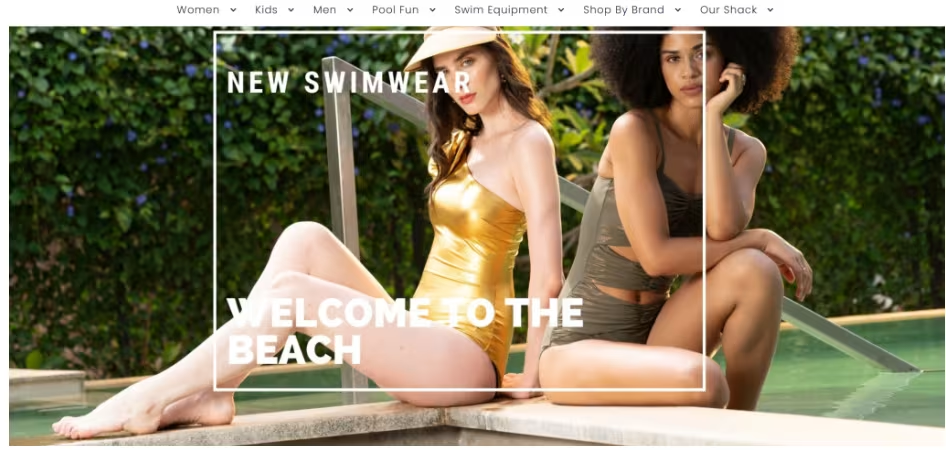
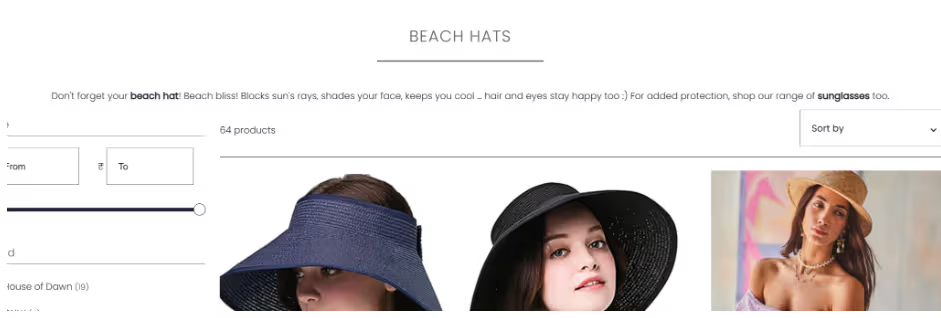
Em vez de tratar todos os produtos igualmente, ele identificou os itens com maior probabilidade de ter um pico de vendas durante o verão: toalhas de praia, sacolas de tecido, copos térmicos, chapéus de sol e kits de presente costeiros.
Estes se tornaram os produtos prioritários.
Ele também reorganizou a loja em coleções sazonais simples, como itens essenciais para o dia de praia, escolhas para escapadelas de fim de semana, favoritos para receber no verão, acessórios de férias e kits de presente costeiros.
Isso facilitou as compras. Os clientes não eram forçados a navegar por produtos aleatórios. Eles podiam comprar por ocasião, o que fazia a loja parecer mais selecionada e útil.
As coleções também ajudaram a aumentar o valor médio do pedido. Alguém procurando por uma toalha poderia facilmente adicionar uma sacola, copo ou acessório quando os produtos eram apresentados juntos.
Tyler também mudou a estratégia de conteúdo. Em vez de postar apenas fotos de produtos, a Driftwood & Dune apostou em momentos reais de verão: bolsas de praia cheias, copos à beira da piscina, toalhas estendidas para viagens de fim de semana e kits de presente estilizados para casas de férias.
Como Tyler tinha melhor visibilidade dos fornecedores, ele podia promover produtos sem se preocupar que uma campanha direcionasse o tráfego para itens que já estavam perto de esgotar.
A Execução
O primeiro passo foi limpar o catálogo.
Tyler removeu produtos que pareciam bons, mas causavam muitos problemas operacionais. Se um item tinha prazos de envio incertos, baixa confiabilidade do fornecedor ou problemas frequentes de disponibilidade, ele era retirado da linha principal de verão.
Em seguida, ele adicionou produtos mais confiáveis de fornecedores sediados nos EUA através do Spocket. Cada item tinha que se encaixar visualmente na marca, fazer sentido para clientes com estilo de vida de praia e suportar um envio mais rápido.
As páginas de produtos também foram reescritas para parecerem mais práticas e humanas.
Uma sacola de praia não era apenas descrita por tamanho ou material. Ela era posicionada como uma bolsa de fim de semana para protetor solar, toalhas, livros, lanches e itens essenciais de férias.
Utensílios para bebidas foram pensados para dias de piscina, passeios de barco, jantares no pátio e encontros de verão.
Isso ajudou os clientes a imaginarem o produto em suas vidas reais.
Tyler também lançou kits simples para necessidades comuns de verão. Um kit para dia de praia poderia incluir uma toalha, uma sacola e um copo. Um kit para anfitriões à beira-mar poderia incluir utensílios para bebidas e decoração. Um kit de presente para férias poderia servir para anfitriões, amigos ou familiares.
Nos bastidores, Tyler verificava os alertas de estoque com mais frequência à medida que o tráfego aumentava. Quando um produto começava a vender mais rápido do que o esperado, ele ajustava as campanhas, preparava opções de backup ou mudava o foco para produtos semelhantes com melhor disponibilidade.
Isso deu à loja mais controle durante as semanas mais movimentadas do ano.
Os Resultados
Ao final da temporada de verão, a Driftwood & Dune havia se tornado mais estável, mais lucrativa e mais fácil de gerenciar.
A receita de verão da loja aumentou de cerca de $4.300 para $39.700, apoiada por melhor confiabilidade dos fornecedores, coleções sazonais mais fortes e menos vendas perdidas devido a produtos indisponíveis.
Incidentes de ruptura de estoque caíram de 10 para 2 em produtos prioritários. As rupturas de estoque restantes foram tratadas rapidamente porque Tyler tinha melhor visibilidade e opções de backup prontas.
A Driftwood & Dune também alcançou seu primeiro mês de receita de $10.000 na Semana 7 do verão.
Kits sazonais ajudaram a aumentar o valor médio do pedido em 24%, já que mais clientes compraram vários itens juntos em vez de comprar produtos individuais.
Ao final da temporada, Tyler também havia começado a testar duas lojas de nicho relacionadas usando o mesmo fluxo de trabalho: uma focada em artigos de decoração costeira e outra focada em acessórios prontos para férias.
Métricas de resultados chave incluíram:
- A receita de verão aumentou de $4.300 para $39.700
- Os incidentes de ruptura de estoque caíram de 10 para 2
- Primeiro mês de receita de $10.000 alcançado na Semana 7 do verão
- O valor médio do pedido aumentou em 24% através de pacotes
- Expandiu para duas lojas de nicho relacionadas usando o mesmo fluxo de trabalho
A maior vitória não foi apenas a receita. Foi o controle.
Tyler não precisava mais tratar a demanda de verão como um jogo de adivinhação. Ele tinha um sistema que o ajudava a se preparar, monitorar e responder antes que pequenos problemas se transformassem em vendas perdidas.
Declaração do Fundador
“Antes do Spocket, o verão sempre parecia a melhor e a pior época para o negócio. Tínhamos o tráfego e a demanda, mas eu estava constantemente preocupado que nossos melhores produtos esgotassem justamente quando as pessoas mais os queriam. Assim que começamos a trabalhar com fornecedores mais confiáveis baseados nos EUA e a usar alertas de estoque, finalmente pude planejar a temporada adequadamente. Isso nos deu a confiança para promover os mais vendidos, criar pacotes e crescer sem sentir que tudo poderia desmoronar a qualquer momento.”
— Tyler Naves, Fundador da Driftwood & Dune
Por Que Funcionou
A Driftwood & Dune cresceu porque Tyler resolveu o problema que estava impedindo a loja de avançar durante sua temporada mais importante.
Mais tráfego não teria ajudado se os melhores produtos não estivessem disponíveis. Para um negócio sazonal, a falta de estoque é especialmente prejudicial porque os clientes geralmente têm um prazo.
Ao usar Spocket, Tyler encontrou fornecedores que melhor correspondiam à sua base de clientes e às necessidades sazonais. O envio mais rápido nos EUA reduziu a hesitação. Alertas de estoque deram-lhe tempo para responder antes que os produtos acabassem. Os pacotes tornaram a loja mais fácil de comprar e ajudaram os clientes a comprar mais de uma vez.
Principal Desafio: Forte demanda sazonal, mas os fornecedores não conseguiam lidar com picos repentinos de pedidos no verão sem atrasos ou falta de estoque.
Solução: Tyler usou a Spocket para encontrar fornecedores sediados nos EUA, monitorar alertas de estoque e construir um fluxo de trabalho mais inteligente para produtos sazonais de alta rotatividade.
Tudo ficou mais alinhado: os produtos, os fornecedores, o conteúdo, o tempo e a experiência do cliente.
A Conclusão
Driftwood & Dune prova que a demanda sazonal pode se tornar uma oportunidade de crescimento quando a parte operacional do negócio está pronta para isso.
Para Tyler, o avanço não foi um produto viral ou uma tática de marketing complicada. Foi a construção de um fluxo de trabalho de fornecedores e estoque que pudesse suportar a demanda quando os clientes estavam mais prontos para comprar.
Com a Spocket, a Driftwood & Dune melhorou a confiabilidade dos fornecedores, reduziu a falta de estoque, enviou mais rápido para clientes nos EUA e transformou uma corrida estressante de verão em um negócio mais escalável.
A loja não cresceu perseguindo todas as tendências de praia. Ela cresceu resolvendo um dos maiores problemas no dropshipping: ficar sem estoque quando os clientes estão prontos para comprar.